
 Petopia
To be honest, dogs do have no idea how to clean. They will also play in mud, run through puddles and they will be extremely proud to bring home the strangest odours ever. And although their free and easy nonsense is part of their appeal, it also implies that their hygiene requires some special attention.
Good hygiene is not only the glossy coat or the sweet-smelling dog, but health, comfort, and life. It can be a regular hygiene routine that can help to prevent infections as well as keep off fleas and ticks.
This guide will take you through all the facts of keeping your dog clean, including not only the routine and needed items but also the pitfalls and the advice of the experts. It is high time to transform your furball into the neatest good boy (or girl) on the block. Let’s dive in!
What is Dog Hygiene and Why Does it Matters?
It is not only the bathing of the dog here and there but is a complete body care that ensures that your dog has clean skin, hair, teeth, ears and paws. The personal wellness plan of your dog. Routine grooming and cleaning are used to clean the body and simultaneously eliminate dirt, dead hair, bacteria, and parasites, which otherwise can cause health complications in the long run.
Good hygiene keeps out the bad smell, shedding and makes your home cleaner as well. More to the point, it will also provide you with the opportunity to identify possible health problems in their initial stages such as skin irritation, bumps, or ticks that might be concealed beneath the fur.
A clean dog is a happy confident dog. And the ripple effect? Furthermore, improved snuggles, reduced number of visits to the vet, and a closer bond between you and your furry best friend. Cleanliness is not vanity, it is a necessary device.
Related Blog: A Complete Guide to Maintaining Your Pet’s Hygiene at Home
Common Consequences of Poor Hygiene
The time spent now will save you the money you could lose down the line because you didn’t take your dog to the vet to have its hair cut. Lack of hygiene may cause inconvenience, infections, and even severe health issues which can be entirely avoided by spending several minutes of attention every week.
The following are some of the most notable effects of not taking care of the hygiene of your dog:
- Skin Infection: Bacteria or fungus can be caused by the presence of dirt, moisture and parasites which result in itching, reddening, and loss of hair.
- Ear Infections: SORE ears do not dry out and breed with floppy ears are good sources of ear infections of bacteria and moisture.
- Dental Problems: absence of oral care may lead to the accumulation of plaque, bad breath and even the gum disease which attacks the internal organs.
- Flea and Tick Infestations: When one does not check it regularly, parasites multiply causing itching, allergies and even diseases.
- Overgrown Nails: Long nails may be painful on foot, lead to posture problems, or be accidentally injured.
- Bad Smell: Dirt and bacteria growth may cause unpleasant smell of your dog even after a bath.
- Eye Irritation: The presence of stains of tears and dirt on and about the eyes may result in infection or irritation.
- Stated simply: bad hygiene does not only look bad but it is bad to your pet.
Daily Hygiene Habits for Dogs
The dog should be consistent with its hygiene. There is no need to groom your place, but little routines on a daily basis can do wonders in ensuring your pup is healthy, hygienic, and clean.
These are the necessary daily hygiene of any dog owner:
1. Wipe Paws After Walks
Paws of your dog trap dust, bacteria, and even toxic chemicals in the streets and parks. Clean them with a soft and wet cloth or pet-safe wipes after each walk. It guards against infection and your floors are clean.
2. Brush Their Coat Regularly
A daily brush in a few seconds gets rid of the loose fur, keeps the fur free of tangles, and evenly distributes natural oils. It is also an excellent method to see the fleas, ticks or skin problems at a very young age. With long haired breeds, it is a must to brush.
3. Wash Their Teeth (or Eat Dental Chews)
It is best to regularly clean the teeth of your dog using a pet-safe toothbrush and toothpaste every day but these are difficult to do so dental chews or water additives are excellent alternatives. They assist in the removal of plaque and fresh breath as well as keeping gums healthy.
4. Check Ears and Eyes
Pay daily a quick inspection to the ears and the eyes of your dog. Watch out for reddening, discharge, foul odor. Before the infections begin, a slight swipe of the outer ear and eye region can prevent it.
5. Maintain Their Sleeping Space Clean
Fur, drool and bacteria have been deposited on your dog’s bed and blankets. Shake them out a little each day and wash them once a week to keep them clean and minimize body smells.
6. Offer Bowls and Clean Water
Clean the water and food bowls of the dog on a daily basis. Unmoving water, and food residues are the growth habitat of bacteria. Bowls made of stainless steel are the easiest to clean and the most hygienic.
Developing these habits as a part of your daily life is a necessary step to keep your dog fresh, healthy and always willing to give you snuggles.
Dog Hygiene Products Every Owner Needs
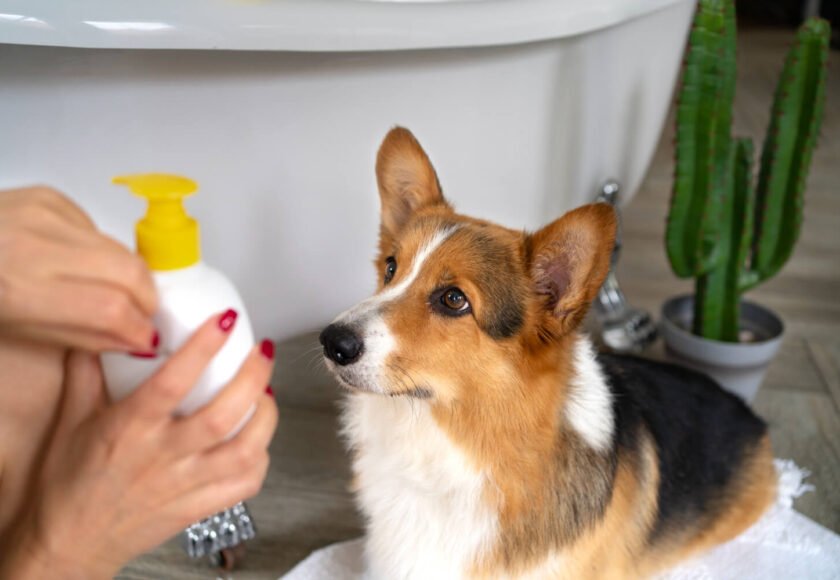
Bathing can often be a difficult way to get started with grooming your dog and this article is all about the necessary tools.
Think of this list as the bare minimum you need to keep your dog clean and hygienic:
- Dog parents should make sure that the shampoo and conditioner you use are mild, pH-balanced ones formulated for dogs. No human shampoo is okay for dogs.
- Also for dog grooming, a brush or comb is necessary. A slicker brush is for long-haired breeds but bristle or rubber brushes are better for shorter coats.
- Regular nail trimming is a must and will help avoid overgrown nails, pain, and even injury.
- Good nail clippers or grinders are what you need and if you are new to dog nails, look for a safety guard. Grinders are also quieter and gentler.
- Another question is how to clean a dog’s ears? The answer is with ear cleaning solutions that will keep wax and dirt from building up.
- Dental hygiene is easy with a pet toothbrush and toothpaste that contain enzymes to tackle oral disease and bad breath.
- It is the same for the dog’s paws; you just need an hygienic solution to mop up dirt, dust, and other substances.
Any dog, no matter what breed, will want to feel fresh and thus a deodorizing spray or dry shampoo is also necessary.
Related Blog: Top 10 Pet Hygiene Products Every Pet Parent Needs
Common Dog Hygiene Mistakes to Avoid
Even the most loving dog parents may unconsciously make a mistake when it comes to their dog’s hygiene. Some of the mistakes may seem harmless but they can actually cause infections, discomfort, or even health problems that will last for a long time. It is equally important to know what not to do as it is to know what to do.
Here are the common hygiene mistakes you should always steer clear of:
- Using Human Products: Human soaps and shampoos contain ingredients that are too harsh for dogs and therefore the skin of the dogs gets irritated. It is better to use dog-safe products.
- Overbathing: If a dog is bathed too often the necessary oils that are in the skin of the dog are removed and this leads to dry skin and itching. Bathing should be done only when it is necessary — normally it’s every 3–4 weeks.
- Skipping Nail Trims: Nails that are too long can cause the dog to be in pain and also a problem with the dog’s posture. Do it every few weeks or as needed.
- Ignoring Ears and Eyes: The ears and eyes are the most common places where infections can develop. Therefore, it is very important to clean and check them regularly.
- Infrequent Brushing: If a dog is not brushed it will lead to matted hair, dandruff, and the dog may become infested with parasites — especially if it is a long-haired breed.
- Neglecting Dental Care: Is the dog’s breath bad? It’s not “just a dog thing.” In fact, it’s a sign that there is plaque buildup or that the gums are affected.
- Dirty Bedding & Toys: These things can be the home of bacteria and fleas. Wash them weekly but use pet-safe cleaners.
- Not Drying Properly After Baths: When the dog is left wet fungal diseases and bad odors may develop. Therefore dry your dog with a towel or a hairdryer.
If you stay away from these mistakes your dog’s hygiene will be safe, smooth, and stress-free.
FAQs About Dog Hygiene
Keeping a dog’s hygiene is often very confusing as a multitude of advices that are contradictory to each other come along. Therefore, here are the fastest, professional, and researched answers to the questions which the pet parents ask most frequently regarding cleanliness and health of their dogs.
Q1. What is the best way to prevent ear infections in dogs?
It is very important to watch closely the healthcare of pets’ ears. Give your ears a vet-ear-approved solution once a week and clean the outer ear very gently with the help of cotton or gauze. Do not insert anything deeply into the ear. Besides that, do not forget to dry your dog’s ears properly after baths or swimming as moisture allows the germs to settle there and thus, infections take place.
Q2. How often should I brush my dog’s coat?
Short-haired dogs can be brushed 2–3 times a week whereas long-haired or double-coated dogs should be brushed at least once a day in order to prevent the formation of matted hair and tangles. Additionally, regular brushing also allows the natural oils to be evenly spread and thus, your dog’s coat becomes glossier and healthier.
Q3. How do I check my dog for fleas and ticks?
When you are feeling through the coat of your dog with your hand, be sure to check the most common hiding places of these creatures as well, i.e. the neck, ears, tail base, and armpits. You might find very tiny black specks which are the dirt that comes from fleas or little brown ticks that are intimately attached to the skin of the animal. Use a flea comb regularly and, if there is a necessity, put on a vet-recommended anti-flea treatment.
Q4. When should I take my dog to a professional groomer?
If your dog’s hair is long, thick, or curly, through professional grooming which is recommended every 4–6 weeks, you can keep it clean and well-managed from shedding, matting, and other hygiene problems. Apart from this, grooming experts can do various other things for your pets such as that of cutting their nails in a safe manner, cleaning their ears, and helping with the areas which are difficult to get handled at home.
Q5. What is the best way to reduce dog odor at home?
The first step is actually the most basic and it means going for regular brushing, proper drying after baths, and clean bedding. In addition, you may put on pet-safe deodorizing sprays or dry shampoos in the intervals of washing. Also, please keep in mind that a long-lasting odor can indicate a health problem in your pet, therefore, if your dog still smells badly, it is better to take him/her to a vet without delay.
Conclusion
A clean dog is certainly more lovable, but it also reflects that you are a good pet parent. Proper hygiene is undoubtedly the easiest and most effective way of showing your love to your furry friend. It keeps them healthy, lively, and makes them feel good with their own skin (and fur).
Definitely, these are such small things like brushing, bathing, and checking the paws and teeth that eventually lead to the welfare of your pet for a whole life. Keep in mind that hygiene is not only for beautification – it is also prevention, protection, and bonding.
If that is the case, then pick up that brush, clean the paws, and transform hygiene time into a nice, fun ritual. Your dog will be thanking you with every wag, lick, and happy roll in the grass.