
 Petopia
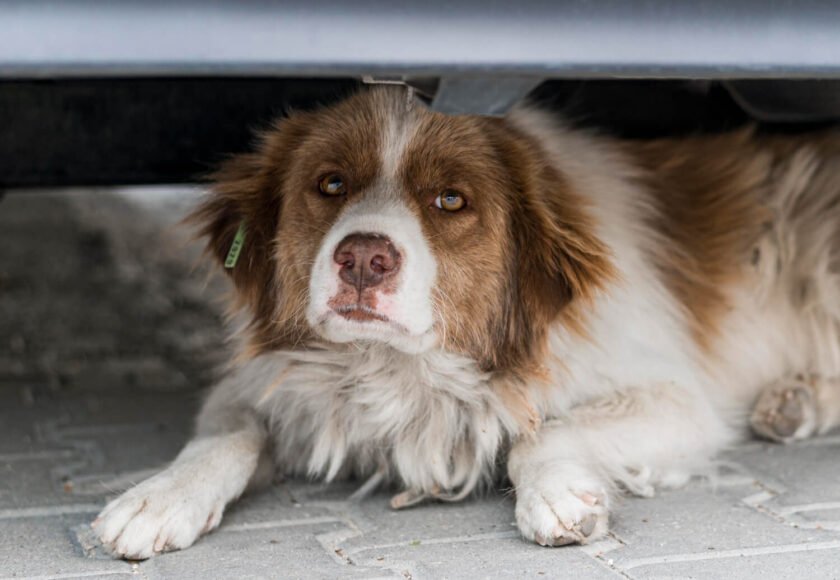
Just like humans, dogs can experience feelings of sadness, loneliness, and even depression. While they can’t express us directly in what way or manner they feel, their nature frequently tells when an entity isn’t completely right. Changes in routine, the misfortune of a helper, disinterest, or lack of provocation can all enhance a dog’s impassioned distress.
Recognizing the signs of despair early is owned by helping your furry companion restore and resume their satisfied, forceful self. By obeying their demeanor, providing psychological support, and calling some latent causes, you can form a substantial distinctness in your dog’s mental happiness.
Why is it Important for Pet Parents to Recognize the Signs Early?
Dogs ideas their sentiments through attitude, and when an entity feels off, they frequently show it in clever habits. Depression in dogs grant permission not forever be apparent in the beginning, but if abandoned unnoticed, it can decay over a period and even bring about tangible strength issues. That’s why early acknowledgment is key — it admits you to become involved before your pet’s spirits decline further.
By recognizing the warning signs early, pet persons can label what’s provoking the sadness — either it’s isolation, misfortune, disease, or referring to practices or policies that do not negatively affect the environment stress — and create the essential changes to boost their dog’s air.
Understanding your dog’s sensitive welfare not only strengthens your bond but further guarantees they lead a more satisfied, healthier, and more equalized growth. Your consideration and care can create all the distinctness in sharing your dog’s feelings of reliability, desired, and content repeatedly.
Can Dogs Really Get Depressed?
Yes, dogs can experience depression, and while it may not be identical to human depression, the emotional and behavioral changes are very real. Dogs are highly social and sensitive animals that form deep bonds with their families. When something disrupts their environment or emotional security, it can affect their mood and behavior significantly.
Depression in dogs is often triggered by major life changes — such as the loss of a companion, moving homes, or even a change in routine. Some dogs may become withdrawn or lose interest in activities they once enjoyed, showing symptoms similar to those seen in humans.
It’s important for pet parents to understand that depression isn’t just “bad behavior” — it’s a sign that your dog needs extra love, attention, and possibly help from a veterinarian or animal behaviorist. Recognizing that dogs can feel emotional pain is the first step toward helping them heal and return to their joyful selves.
Common Causes of Depression in Dogs
Depression in dogs can arise from a variety of emotional, environmental, or physical factors. Since dogs thrive on routine, companionship, and security, even small disruptions to their daily life can impact their mood. Understanding the root cause of their sadness is the first step to helping them recover and feel happy again.
Here are some of the most common causes of depression in dogs:
- Loss of a Companion: The death or absence of a beloved family member or another pet can leave dogs grieving and lonely.
- Changes in Environment: Moving to a new home, new furniture, or even rearranging spaces can cause confusion and stress.
- Lack of Social Interaction: Dogs are social creatures — isolation, long hours alone, or lack of playtime can lead to boredom and sadness.
- Major Routine Changes: A change in feeding, walking, or sleeping schedules can make dogs feel unsettled and anxious.
- Illness or Chronic Pain: Physical discomfort or undiagnosed health problems can cause low energy, irritability, and withdrawal.
- Neglect or Lack of Attention: When dogs feel ignored or receive less affection, they may develop depressive behaviors.
- Introduction of a New Pet or Baby: Sudden competition for attention can make some dogs feel replaced or insecure.
- Trauma or Fearful Experiences: Abuse, loud noises, or frightening situations can leave lasting emotional effects on sensitive pets.
- Weather or Seasonal Changes: Some dogs, like humans, can experience mood shifts during gloomy weather or reduced daylight periods.
Behavioral Signs That Your Dog Might Be Depressed
When dogs are feeling depressed, their behavior often changes in noticeable ways. They may become quieter, less playful, or lose interest in activities they once loved. These behavioral changes can be subtle at first, so paying close attention to your dog’s habits and mood is essential for early intervention.
Here are some common signs that your dog might be struggling with depression:
- Loss of Interest in Play or Walks: A once energetic dog may suddenly seem disinterested in toys, exercise, or social activities.
- Changes in Appetite: Some dogs eat less or refuse food altogether, while others may overeat as a coping mechanism.
- Excessive Sleeping: Sleeping more than usual, especially during the day, can indicate sadness or lack of stimulation.
- Withdrawal or Hiding: Depressed dogs may isolate themselves, avoiding family members or hiding in quiet corners.
- Lack of Energy or Motivation: Noticeable fatigue or reluctance to move can point to emotional distress or underlying health issues.
- Whining or Whimpering: Increased vocalization without an obvious cause can signal emotional discomfort or attention-seeking.
- Destructive Behavior: Chewing furniture, scratching, or digging may be signs of stress or frustration.
- Changes in Body Language: Tail tucked, ears down, or avoiding eye contact are all physical cues that your dog may be feeling down.
- Loss of Interest in Grooming: A normally clean dog may appear unkempt, showing reduced self-care behaviors.
- Clinginess or Separation Anxiety: Some dogs become extra dependent, following their owners constantly for reassurance.
How to Tell If It’s Depression or a Health Issue?
It can be difficult to distinguish between depression and a physical health issue in dogs since many symptoms overlap. A dog that’s sleeping more, eating less, or acting withdrawn might be emotionally sad — or they could be experiencing pain or illness. That’s why careful observation and timely veterinary consultation are crucial.
If your dog’s behavior changes suddenly, it’s important to rule out medical conditions first. Issues such as thyroid disorders, infections, dental pain, or arthritis can all mimic signs of depression. A vet can perform a full examination and run tests to determine whether there’s a physical cause behind your dog’s behavior.
Once health problems are ruled out, emotional or environmental factors are more likely to be the cause. In that case, focusing on companionship, enrichment, and positive reinforcement can help your dog’s mood improve naturally.
What You Can Do to Help a Depressed Dog?
Helping a depressed dog requires patience, love, and consistency. Just like people, dogs need emotional support and positive experiences to overcome sadness. Small, daily efforts can make a huge difference in lifting your dog’s spirits and restoring their happiness.
Here are some effective ways to help your dog recover from depression:
- Increase Quality Time Together: Spend more time playing, cuddling, or simply being near your dog. Your presence and attention can provide comfort and reassurance.
- Maintain a Consistent Routine: Dogs thrive on stability. Keeping regular feeding, walking, and sleeping schedules helps them feel secure and balanced.
- Encourage Physical Exercise: Daily walks, games of fetch, or new outdoor adventures can boost your dog’s mood and release feel-good endorphins.
- Provide Mental Stimulation: Puzzle toys, training sessions, or interactive feeders can engage your dog’s mind and reduce boredom.
- Offer Social Interaction: Arrange playdates with other friendly dogs or visit a dog park to encourage socialization and new experiences.
- Introduce New Activities: Trying new routes, toys, or games can reignite your dog’s curiosity and enthusiasm.
- Create a Calm, Positive Environment: Reduce stress by ensuring your dog has a quiet, safe space to relax and feel secure.
- Avoid Punishment or Scolding: Depressed dogs need patience and kindness — negative reactions can worsen their emotional state.
- Use Positive Reinforcement: Reward small signs of improvement, such as interest in toys or appetite, to build confidence and happiness.
- Consult a Veterinarian or Behaviorist: If your dog’s symptoms persist, a professional can assess their condition and recommend therapy, medication, or behavioral strategies.
Preventing Depression in Dogs
Preventing depression in dogs starts with providing a balanced mix of love, attention, structure, and stimulation. A happy, engaged dog is less likely to experience emotional distress, even during changes or challenges. By nurturing their physical and emotional needs, you can help your furry friend stay joyful and confident throughout their life.
Here are some simple but effective ways to prevent depression in dogs:
- Maintain a Regular Routine: Consistency in meals, walks, and bedtime gives dogs a sense of security and stability.
- Provide Daily Exercise: Regular physical activity keeps your dog fit, burns off excess energy, and releases endorphins that promote happiness.
- Offer Mental Enrichment: Interactive toys, puzzle feeders, and obedience training keep your dog’s mind active and engaged.
- Encourage Socialization: Positive interactions with other dogs and people help build confidence and reduce loneliness.
- Give Plenty of Love and Attention: Affection, playtime, and bonding moments remind your dog that they’re valued and cared for.
- Schedule Regular Vet Check-Ups: Routine health checks ensure any underlying medical issues are caught early, preventing emotional decline caused by discomfort or illness.
When to Seek Professional Help?
Sometimes, despite your best efforts, your dog’s sadness may persist or even worsen over time. When this happens, it’s important not to wait too long before seeking professional help. Ongoing depression can impact your dog’s physical health, appetite, and quality of life, making early intervention essential.
If your dog shows little interest in eating, playing, or interacting for more than a couple of weeks, or if their symptoms become more severe, it’s time to consult a veterinarian. The vet can rule out underlying health issues and may recommend behavior therapy, environmental adjustments, or, in some cases, medication to help restore emotional balance.
In addition to your vet, a certified animal behaviorist can provide valuable insight into your dog’s mental and emotional state. With the right support, patience, and care, most dogs can recover from depression and return to their happy, playful selves.
Related Blog: A Complete Guide to Maintaining Your Pet’s Hygiene at Home
FAQs About Depression in Dogs
Just like people, dogs can go through emotional ups and downs — and pet parents often have questions about how to recognize, manage, and prevent these low periods. Here are some of the most common questions about dog depression and how to help your furry friend feel better.
1. How long does dog depression usually last?
The duration of depression in dogs varies depending on the cause and how quickly it’s addressed. Some dogs may recover within days once the source of stress is removed, while others may take several weeks to bounce back. Providing extra affection, consistent routines, and engaging activities can help speed up recovery.
2. How can I tell if my dog is sad or just tired?
A tired dog typically perks up after rest or exercise, while a depressed dog remains withdrawn or disinterested even after sleeping. If your dog’s low energy is accompanied by appetite loss, excessive sleeping, or lack of interest in play, it’s more likely to be emotional distress than simple fatigue.
3. Can lack of exercise make my dog depressed?
Yes, physical inactivity is one of the most common triggers for depression in dogs. Exercise provides both physical stimulation and mental enrichment, which help release endorphins — the “feel-good” hormones. Without enough activity, dogs may become bored, anxious, or withdrawn.
4. Can adopting another dog help with my dog’s depression?
In some cases, yes — but it depends on your dog’s personality and the reason for their depression. If loneliness is the main issue, a compatible companion can provide comfort and motivation. However, introducing a new pet too soon or without proper adjustment can cause additional stress, so consult your vet or a behaviorist first.
5. Do certain breeds get depressed more easily?
Some breeds are more emotionally sensitive and may be more prone to mood changes. Breeds known for strong bonds with their owners — such as Labradors, Border Collies, and Cavalier King Charles Spaniels — can feel depression more intensely when neglected or left alone frequently. That said, any dog can experience depression if their emotional needs aren’t met.
Conclusion
Depression in dogs is more common than many pet owners realize, and recognizing it early is key to helping your furry friend recover. By paying attention to changes in behavior, energy, and mood, you can step in before sadness turns into something more serious.
With love, consistency, and a supportive environment, most dogs can regain their happiness and vitality. Remember — your dog depends on you for emotional stability just as much as food, shelter, and exercise. A little extra care, attention, and patience can go a long way in bringing back that wagging tail and joyful spirit.