No products in the cart.

Cat Hygiene Tips Every Feline Owner Should Follow

Cat Hygiene Tips Every Feline Owner Should Follow

Keeping your kitten clean and athletic is an essential part of accountable pet partnership. Cats are consistently clean mammals, but they still require counseling and care from their proprietor to claim decent hygiene. Regular consideration to their educating, litter dresses, and overall cleanness can prevent energy issues and guarantee a satisfied, easy life for your cat companion.

Proper kitten cleanliness isn’t just about appearance—it again plays an important part in barring infections, lowering bad odors, and asserting a safe surroundings for two together your kitten and your household. Even household cats, the one power that appears less unprotected to dirt, benefit from routine cleanliness practices.

By understanding and following fundamental kitten cleanliness tips, owners can hold their pets athletic, wealthy, and stress-free. These natural yet persuasive practices help hearten the bond between you and your fuzzy companion while promoting a cleaner, more hygienic home.

What is Cat Hygiene and Why Does it Matters?

Cat hygiene refers to the practices and routines that help keep a cat clean, healthy, and free from parasites or infections. While cats are naturally meticulous groomers, relying solely on their instincts isn’t always enough. Proper hygiene involves regular grooming, maintaining a clean litter box, monitoring dental health, and addressing any skin or coat issues promptly.

Maintaining good cat hygiene is crucial for both the cat’s well-being and the household environment. Poor hygiene can lead to health problems such as urinary tract infections, skin irritations, dental disease, and even behavioral issues. It can also result in unpleasant odors and an increased risk of parasites like fleas or ticks.

By prioritizing cat hygiene, owners not only support their pet’s physical health but also contribute to their mental comfort and overall happiness. A clean, well-groomed cat is often a calmer, more affectionate, and socially comfortable companion.

Related Blog: A Complete Guide to Maintaining Your Pet’s Hygiene at Home

Common Consequences of Poor Hygiene in Cats

Neglecting your cat’s hygiene can lead to a range of health and behavioral problems. Even though cats groom themselves regularly, they may miss areas or struggle with certain conditions, especially as they age or if they are overweight. Poor hygiene can affect your cat’s overall well-being and may require veterinary attention if left unaddressed.

Here are some common consequences of poor hygiene in cats:

  • Skin Infections and Irritations: Accumulation of dirt, oils, or unkempt fur can cause rashes, hot spots, or bacterial infections.
  • Matting and Hairballs: Neglected grooming can lead to tangled fur, mats, and increased hairball formation, which may cause digestive problems.
  • Parasite Infestations: Fleas, ticks, and mites thrive in unclean fur, leading to itching, discomfort, and potential disease transmission.
  • Dental Problems: Poor oral hygiene can result in plaque buildup, gum disease, bad breath, and tooth loss.
  • Urinary and Litter Box Issues: Dirty litter boxes or unclean genital areas can contribute to urinary tract infections and litter box avoidance.
  • Unpleasant Odors: Lack of grooming can cause a strong, unpleasant smell from the fur, mouth, or litter box.
  • Behavioral Stress: Cats may become anxious, withdrawn, or display aggressive behavior due to discomfort from poor hygiene.

Maintaining consistent hygiene routines helps prevent these issues, ensuring your cat stays healthy, comfortable, and happy.

Daily Hygiene Habits for Cats

Maintaining daily hygiene for your cat is essential to keep them healthy, comfortable, and happy. Even though cats are naturally good at grooming themselves, daily attention from their owners can prevent health issues, reduce odor, and strengthen the bond between you and your pet. Simple daily habits can make a big difference in a cat’s overall well-being.

Here are some daily hygiene habits for cats:

1. Brushing the Fur

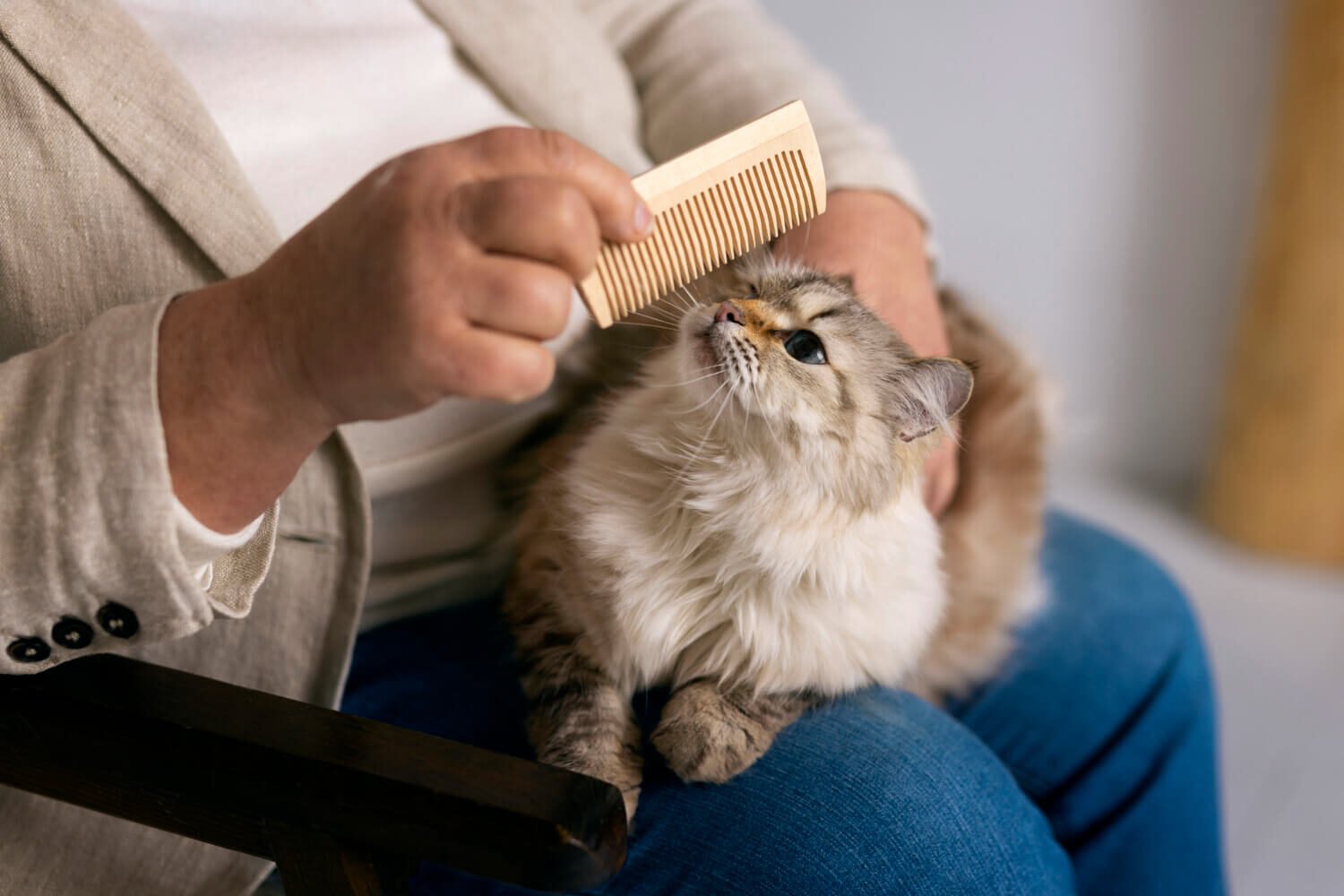
Regular brushing helps remove loose hair, prevent matting, and reduce hairballs. Short-haired cats may need a quick daily brush, while long-haired breeds require more frequent attention to avoid tangles. Brushing also stimulates blood circulation and allows you to check for parasites or skin issues.

2. Cleaning the Litter Box

A clean litter box is crucial for preventing infections and maintaining your cat’s comfort. Scoop waste at least once a day and replace litter regularly. Cats are sensitive to odors, and a dirty litter box can lead to avoidance or inappropriate elimination elsewhere in the home.

3. Checking Eyes and Ears

Daily inspection of your cat’s eyes and ears helps catch infections early. Wipe away discharge gently with a damp cloth and watch for redness, swelling, or unusual odor, which may indicate a problem requiring veterinary care.

4. Dental Care

While brushing your cat’s teeth daily may be challenging, wiping their gums or providing dental treats can help reduce plaque and maintain oral hygiene. Healthy teeth prevent bad breath, gum disease, and other systemic health issues.

5. Monitoring Skin and Coat

Check your cat’s skin for redness, bumps, or parasites while grooming. Healthy skin and a shiny coat are signs of overall well-being. Early detection of abnormalities can prevent infections or allergic reactions from worsening.

6. Keeping Claws Trimmed

Daily or frequent monitoring of your cat’s claws helps prevent overgrowth, injuries, or damage to furniture. Use a proper cat nail trimmer and trim carefully to avoid cutting the quick.

Consistently practicing these daily hygiene habits ensures your cat stays healthy, comfortable, and free from preventable illnesses, while also strengthening the bond you share.

Essential Cat Hygiene Products

Maintaining proper cat hygiene requires the right tools and products. While cats naturally groom themselves, having essential hygiene items makes it easier to keep them clean, healthy, and comfortable. Using appropriate products also helps prevent infections, skin issues, and unpleasant odors, making your cat’s daily care routine more effective.

Here are some essential cat hygiene products every owner should have:

1. Cat Brush or Comb:
Helps remove loose hair, prevent mats, and reduce hairballs. Choose a brush suitable for your cat’s coat length and type.

2. Cat Shampoo and Wipes:
Gentle, cat-specific shampoos and grooming wipes help keep the coat clean and fresh without irritating sensitive skin.

3. Litter Box and Litter:
A high-quality litter box and odor-absorbing litter are essential for maintaining a clean environment and encouraging proper elimination habits.

4. Nail Clippers:
Specialized cat nail clippers help trim claws safely and prevent overgrowth or injuries to both the cat and household furniture.

5. Ear Cleaning Solution:
Cat-safe ear cleaning solutions and cotton pads help remove wax and debris, preventing infections and discomfort.

6. Toothbrush and Dental Products:
Cat toothbrushes, dental gels, or treats help maintain oral hygiene, reduce plaque, and prevent bad breath.

7. Flea and Tick Treatments:
Regular use of veterinary-recommended flea and tick control products prevents infestations and related health issues.

8. Grooming Gloves (Optional):
Useful for cats that dislike traditional brushes, grooming gloves remove loose hair while providing a gentle massage.

Using these products consistently ensures that your cat stays clean, healthy, and comfortable while making grooming easier and stress-free for both you and your feline companion.

Related Blog: Top 10 Pet Hygiene Products Every Pet Parent Needs

Common Cat Hygiene Mistakes to Avoid

Even the most well-intentioned cat owners can make mistakes when it comes to hygiene. Overlooking certain practices or using inappropriate products can lead to health problems, stress, or behavioral issues in cats. Being aware of common mistakes helps owners maintain a safe and effective hygiene routine for their feline companions.

Here are some common cat hygiene mistakes to avoid:

1. Neglecting Regular Brushing:
Skipping grooming sessions can lead to matting, hairballs, and skin irritations, especially in long-haired cats.

2. Using Human Products:
Shampoos, soaps, or toothpaste meant for humans can irritate a cat’s sensitive skin or be toxic if ingested. Always use cat-specific products.

3. Infrequent Litter Box Cleaning:
A dirty litter box can cause infections, litter box avoidance, and unpleasant odors in your home. Daily scooping is essential.

4. Over-Bathing:
Bathing cats too often can strip natural oils from their skin, leading to dryness, irritation, and a dull coat. Most cats only need occasional baths.

5. Ignoring Dental Care:
Failing to address oral hygiene can result in plaque buildup, gum disease, bad breath, and even systemic health issues.

6. Skipping Ear and Eye Checks:
Not regularly inspecting or cleaning ears and eyes can allow infections or irritations to go unnoticed until they worsen.

7. Trimming Claws Improperly:
Cutting too deep or irregularly can cause pain, bleeding, or infections. Use proper cat nail trimmers and follow safe techniques.

8. Ignoring Parasite Prevention:
Not using flea, tick, or worm treatments can lead to infestations, skin problems, and diseases that affect both the cat and humans in the household.

Avoiding these mistakes helps ensure your cat stays healthy, comfortable, and stress-free while maintaining a clean and safe home environment.

FAQs About Cat Hygiene

Many cat owners have questions about maintaining proper hygiene for their feline companions. Here are answers to some of the most frequently asked questions:

Q1. How do I clean my cat’s ears safely?

Use a cat-safe ear cleaning solution and a soft cotton pad or ball—never use cotton swabs, as they can damage the ear canal. Gently wipe the visible part of the ear to remove wax and debris. If you notice redness, foul odor, or excessive discharge, consult a veterinarian immediately.

Q2. What is the best way to prevent hairballs?

Regular brushing helps remove loose hair before it is ingested, which is key to reducing hairballs. You can also provide hairball-specific treats or diets designed to improve digestion and minimize the formation of hairballs in the stomach.

Q3. How do I reduce cat odor in my home?

Keep the litter box clean by scooping daily and changing litter regularly. Regular grooming, including brushing and occasional bathing, also helps. Ventilation, odor-neutralizing sprays, and washable bedding can further reduce unwanted smells.

Q4. When should I take my cat to a vet for hygiene issues?

Visit a veterinarian if you notice persistent skin irritation, excessive scratching, hair loss, foul odor, unusual discharge from eyes or ears, or difficulty grooming. Early intervention can prevent minor issues from turning into serious health problems.

Q5. How often should I bathe my cat?

Most cats do not need frequent baths, as they groom themselves regularly. Bathing once every 4–6 weeks is usually sufficient unless your cat gets particularly dirty or has a skin condition. Always use cat-specific shampoo and ensure the water is lukewarm.

Conclusion

Proper hygiene is a cornerstone of keeping your cat healthy, happy, and comfortable. While cats naturally groom themselves, regular care from owners—including brushing, dental care, litter box maintenance, and parasite prevention—ensures they remain free from infections, discomfort, and behavioral issues.

By adopting consistent hygiene practices and using the right products, you can prevent common health problems, reduce odors, and strengthen the bond with your feline companion. A clean, well-groomed cat is not only healthier but also more content and affectionate, making daily care a rewarding experience for both pet and owner.
dog-hygiene-guide

Dog Hygiene 101: How to Keep Your Pup Clean and Healthy?

To be honest, dogs do have no idea how to clean. They will also play in mud, run through puddles and they will be extremely proud to bring home the strangest odours ever. And although their free and easy nonsense is part of their appeal, it also implies that their hygiene requires some special attention.

Good hygiene is not only the glossy coat or the sweet-smelling dog, but health, comfort, and life. It can be a regular hygiene routine that can help to prevent infections as well as keep off fleas and ticks.

This guide will take you through all the facts of keeping your dog clean, including not only the routine and needed items but also the pitfalls and the advice of the experts. It is high time to transform your furball into the neatest good boy (or girl) on the block. Let’s dive in!

What is Dog Hygiene and Why Does it Matters?

It is not only the bathing of the dog here and there but is a complete body care that ensures that your dog has clean skin, hair, teeth, ears and paws. The personal wellness plan of your dog. Routine grooming and cleaning are used to clean the body and simultaneously eliminate dirt, dead hair, bacteria, and parasites, which otherwise can cause health complications in the long run.

Good hygiene keeps out the bad smell, shedding and makes your home cleaner as well. More to the point, it will also provide you with the opportunity to identify possible health problems in their initial stages such as skin irritation, bumps, or ticks that might be concealed beneath the fur.

A clean dog is a happy confident dog. And the ripple effect? Furthermore, improved snuggles, reduced number of visits to the vet, and a closer bond between you and your furry best friend. Cleanliness is not vanity, it is a necessary device.

Related Blog: A Complete Guide to Maintaining Your Pet’s Hygiene at Home

Common Consequences of Poor Hygiene

The time spent now will save you the money you could lose down the line because you didn’t take your dog to the vet to have its hair cut. Lack of hygiene may cause inconvenience, infections, and even severe health issues which can be entirely avoided by spending several minutes of attention every week.

The following are some of the most notable effects of not taking care of the hygiene of your dog:

  • Skin Infection: Bacteria or fungus can be caused by the presence of dirt, moisture and parasites which result in itching, reddening, and loss of hair.
  • Ear Infections: SORE ears do not dry out and breed with floppy ears are good sources of ear infections of bacteria and moisture.
  • Dental Problems: absence of oral care may lead to the accumulation of plaque, bad breath and even the gum disease which attacks the internal organs.
  • Flea and Tick Infestations: When one does not check it regularly, parasites multiply causing itching, allergies and even diseases.
  • Overgrown Nails: Long nails may be painful on foot, lead to posture problems, or be accidentally injured.
  • Bad Smell: Dirt and bacteria growth may cause unpleasant smell of your dog even after a bath.
  • Eye Irritation: The presence of stains of tears and dirt on and about the eyes may result in infection or irritation.
  • Stated simply: bad hygiene does not only look bad but it is bad to your pet.

Daily Hygiene Habits for Dogs

The dog should be consistent with its hygiene. There is no need to groom your place, but little routines on a daily basis can do wonders in ensuring your pup is healthy, hygienic, and clean.

These are the necessary daily hygiene of any dog owner:

1. Wipe Paws After Walks

Paws of your dog trap dust, bacteria, and even toxic chemicals in the streets and parks. Clean them with a soft and wet cloth or pet-safe wipes after each walk. It guards against infection and your floors are clean.

2. Brush Their Coat Regularly

A daily brush in a few seconds gets rid of the loose fur, keeps the fur free of tangles, and evenly distributes natural oils. It is also an excellent method to see the fleas, ticks or skin problems at a very young age. With long haired breeds, it is a must to brush.

3. Wash Their Teeth (or Eat Dental Chews)

It is best to regularly clean the teeth of your dog using a pet-safe toothbrush and toothpaste every day but these are difficult to do so dental chews or water additives are excellent alternatives. They assist in the removal of plaque and fresh breath as well as keeping gums healthy.

4. Check Ears and Eyes

Pay daily a quick inspection to the ears and the eyes of your dog. Watch out for reddening, discharge, foul odor. Before the infections begin, a slight swipe of the outer ear and eye region can prevent it.

5. Maintain Their Sleeping Space Clean

Fur, drool and bacteria have been deposited on your dog’s bed and blankets. Shake them out a little each day and wash them once a week to keep them clean and minimize body smells.

6. Offer Bowls and Clean Water

Clean the water and food bowls of the dog on a daily basis. Unmoving water, and food residues are the growth habitat of bacteria. Bowls made of stainless steel are the easiest to clean and the most hygienic.

Developing these habits as a part of your daily life is a necessary step to keep your dog fresh, healthy and always willing to give you snuggles.

Dog Hygiene Products Every Owner Needs

Bathing​‍​‌‍​‍‌​‍​‌‍​‍‌ can often be a difficult way to get started with grooming your dog and this article is all about the necessary tools. 

Think of this list as the bare minimum you need to keep your dog clean and hygienic:

  • Dog parents should make sure that the shampoo and conditioner you use are mild, pH-balanced ones formulated for dogs. No human shampoo is okay for dogs.
  • Also for dog grooming, a brush or comb is necessary. A slicker brush is for long-haired breeds but bristle or rubber brushes are better for shorter coats.
  • Regular nail trimming is a must and will help avoid overgrown nails, pain, and even injury.
  • Good nail clippers or grinders are what you need and if you are new to dog nails, look for a safety guard. Grinders are also quieter and gentler.
  • Another question is how to clean a dog’s ears? The answer is with ear cleaning solutions that will keep wax and dirt from building up.
  • Dental hygiene is easy with a pet toothbrush and toothpaste that contain enzymes to tackle oral disease and bad breath.
  • It is the same for the dog’s paws; you just need an hygienic solution to mop up dirt, dust, and other substances.

Any dog, no matter what breed, will want to feel fresh and thus a deodorizing spray or dry shampoo is also ​‍​‌‍​‍‌​‍​‌‍​‍‌necessary.

Related Blog: Top 10 Pet Hygiene Products Every Pet Parent Needs

Common Dog Hygiene Mistakes to Avoid

Even​‍​‌‍​‍‌​‍​‌‍​‍‌ the most loving dog parents may unconsciously make a mistake when it comes to their dog’s hygiene. Some of the mistakes may seem harmless but they can actually cause infections, discomfort, or even health problems that will last for a long time. It is equally important to know what not to do as it is to know what to do.

Here are the common hygiene mistakes you should always steer clear of:

  • Using Human Products: Human soaps and shampoos contain ingredients that are too harsh for dogs and therefore the skin of the dogs gets irritated. It is better to use dog-safe products.
  • Overbathing: If a dog is bathed too often the necessary oils that are in the skin of the dog are removed and this leads to dry skin and itching. Bathing should be done only when it is necessary — normally it’s every 3–4 weeks.
  • Skipping Nail Trims: Nails that are too long can cause the dog to be in pain and also a problem with the dog’s posture. Do it every few weeks or as needed.
  • Ignoring Ears and Eyes: The ears and eyes are the most common places where infections can develop. Therefore, it is very important to clean and check them regularly.
  • Infrequent Brushing: If a dog is not brushed it will lead to matted hair, dandruff, and the dog may become infested with parasites — especially if it is a long-haired breed.
  • Neglecting Dental Care: Is the dog’s breath bad? It’s not “just a dog thing.” In fact, it’s a sign that there is plaque buildup or that the gums are affected.
  • Dirty Bedding & Toys: These things can be the home of bacteria and fleas. Wash them weekly but use pet-safe cleaners.
  • Not Drying Properly After Baths: When the dog is left wet fungal diseases and bad odors may develop. Therefore dry your dog with a towel or a hairdryer.

If you stay away from these mistakes your dog’s hygiene will be safe, smooth, and ​‍​‌‍​‍‌​‍​‌‍​‍‌stress-free.

FAQs About Dog Hygiene

Keeping​‍​‌‍​‍‌​‍​‌‍​‍‌ a dog’s hygiene is often very confusing as a multitude of advices that are contradictory to each other come along. Therefore, here are the fastest, professional, and researched answers to the questions which the pet parents ask most frequently regarding cleanliness and health of their dogs.

Q1. What is the best way to prevent ear infections in dogs?

It is very important to watch closely the healthcare of pets’ ears. Give your ears a vet-ear-approved solution once a week and clean the outer ear very gently with the help of cotton or gauze. Do not insert anything deeply into the ear. Besides that, do not forget to dry your dog’s ears properly after baths or swimming as moisture allows the germs to settle there and thus, infections take place.

Q2. How often should I brush my dog’s coat?

Short-haired dogs can be brushed 2–3 times a week whereas long-haired or double-coated dogs should be brushed at least once a day in order to prevent the formation of matted hair and tangles. Additionally, regular brushing also allows the natural oils to be evenly spread and thus, your dog’s coat becomes glossier and healthier.

Q3. How do I check my dog for fleas and ticks?

When you are feeling through the coat of your dog with your hand, be sure to check the most common hiding places of these creatures as well, i.e. the neck, ears, tail base, and armpits. You might find very tiny black specks which are the dirt that comes from fleas or little brown ticks that are intimately attached to the skin of the animal. Use a flea comb regularly and, if there is a necessity, put on a vet-recommended anti-flea treatment.

Q4. When should I take my dog to a professional groomer?

If your dog’s hair is long, thick, or curly, through professional grooming which is recommended every 4–6 weeks, you can keep it clean and well-managed from shedding, matting, and other hygiene problems. Apart from this, grooming experts can do various other things for your pets such as that of cutting their nails in a safe manner, cleaning their ears, and helping with the areas which are difficult to get handled at home.

Q5. What is the best way to reduce dog odor at home?

The​‍​‌‍​‍‌​‍​‌‍​‍‌ first step is actually the most basic and it means going for regular brushing, proper drying after baths, and clean bedding. In addition, you may put on pet-safe deodorizing sprays or dry shampoos in the intervals of washing. Also, please keep in mind that a long-lasting odor can indicate a health problem in your pet, therefore, if your dog still smells badly, it is better to take him/her to a vet without ​‍​‌‍​‍‌​‍​‌‍​‍‌delay.

Conclusion

A​‍​‌‍​‍‌​‍​‌‍​‍‌ clean dog is certainly more lovable, but it also reflects that you are a good pet parent. Proper hygiene is undoubtedly the easiest and most effective way of showing your love to your furry friend. It keeps them healthy, lively, and makes them feel good with their own skin (and fur).

Definitely, these are such small things like brushing, bathing, and checking the paws and teeth that eventually lead to the welfare of your pet for a whole life. Keep in mind that hygiene is not only for beautification – it is also prevention, protection, and ​‍​‌‍​‍‌​‍​‌‍​‍‌bonding.

If that is the case, then pick up that brush, clean the paws, and transform hygiene time into a nice, fun ritual. Your dog will be thanking you with every wag, lick, and happy roll in the grass.

Top 10 Pet Hygiene Products Every Pet Parent Needs

Top 10 Pet Hygiene Products Every Pet Parent Needs

It is a fact of life, pets are cute, but also walking chaos machines. Muddy paws, shedding fur and the mystery smell sometimes makes it like a full-time job to keep them fresh and healthy. However, this is the good news, this does not mean that you have to go to a fancy grooming salon or stock up on wipes to ensure that your pet is clean. The secret is just to have the right hygiene products.

Whether it is a shampoo or a brush, a dental chew or deodorizing spray, the right essentials may be what counts. Not only does these keep your pet clean and comfortable but also helps prevent other health related problems such as infections, odor and skin irritation.

Here, we are going to deconstruct the essential hygiene items that every pet parent must have, answer the question of why they are important, and demonstrate how to select the most suitable ones for your pet.

Importance of Pet Hygiene

Good hygiene does not only mean that you keep your pet photoshop-ready, but it means that you keep them healthy and enjoy a long happy life. Pets like humans can be exposed to hygiene related conditions such as infections, parasites as well as dental diseases when they are not taken care of. It is a healthy pet, just a clean pet.

Proper hygiene is also a way of enabling you to notice the initial signs of a health issue. As an illustration, regular brushing may expose bumps, skin allergy, or ticks before it deteriorates. Keeping your ears, teeth and paws hygienic is a way of preventing the build up of bacteria and preventing discomfort whilst having your pet groomed keeps their coat clean and their mood lifted.

In addition to the health aspect, good hygiene is good in the entire household. A properly kept pet translates to reduced shedding, reduction in allergies and a home that is clean, and fresher smelling. It will be a win-win to you and your furry friend.

Why Pet Hygiene Products Are Essential

Having good hygiene does not just mean keeping your pet Instagram ready but keeping them healthy and living a long and happy life. Pets, as human beings, may develop hygiene-related complications such as infections, parasites, and dental problems when they are not taken care of regularly. I only have a healthy pet, which is a clean pet.

Proper hygiene also assists you to find out early symptoms of health issues. As an example, regular brushing will expose skin allergies, bumps, or ticks when they are not so bad. If you keep your ears, teeth, and paws clean, it helps to prevent the accumulation of bacteria and discomfort, and since your pet is groomed regularly, his coat remains glossy, and his professional attitude improves his mood.

Other than health concerns, good hygiene is an advantage to the whole house. When an animal is well groomed, it will shed less, eliminate allergens and will make the house look and smell cleaner. It is a win-win situation both for you and your furry friend.

Top 10 Pet Hygiene Products

It is important that every pet parent possesses a good hygiene kit – the one that can make your mascot appear clean, healthy and smell great (at least not like a wet towel). The top 10 hygiene items that any responsible pet owners should possess will be listed below.

1. Pet Shampoo & Conditioner

Man heads can even dry up your animal. The pet shampoos also have the pet PH tailored so as to avoid irritation. Fur is made untangled, soft, shiny and easy to brush using conditioners. Use non-paraben, mild, and products prepared using natural ingredients e.g. aloe vera or oatmeal.

2. Grooming Brush or Comb

It is not just on looks as brushing not only cleanses, but sheds and improves the flow of blood. Slicker brush can be used to brush long haired pets and bristle or rubber brush can be used to brush short haired pets. It is also a great bonding moment which your pet will (later on) enjoy.

3. Pet Toothbrush and toothpaste

Much attention is not paid to dental health which is important. To prevent the occurrence of tartar, bad breath and gum infections, enzymatic toothpastes and pet-safe toothbrushes are useful. Brush early enough, so that your pet is used to it.

4. Paw Wipes or Wash

You are touching everything with the paws of your pet, not dirty parks alone but the streets of the city. Cleaners may be given to pets on a soft wipe or paws, so that they can remove dirty and toxic chemicals on the pads. Use them each time you take a walk to keep off infections and clean floors.

5. Nail Clippers or Grinders

Too long nails become painful and pose a joint problem. A pet nail clipper/an electric grinder can be interesting in order to trim them at home. When rewarding your pet, you should always take your time before you can reward.

6. Ear Cleaning Solution

Mostly, bacteria are hiding in ears. Wipe the ear with a recommended ear cleaner to clear the ear of wax and debris. Ear infections and odor can be avoided by cleaning the ear on a regular basis, especially with floppy-eared breeds.

7. Deodorizing Spray/ Dry Shampoo.

Spray on the deodorizing on the days between baths or dust your pet with dry shampoo. Get alcohol-free and cancel-odor natural products instead of masking smell.

8. Dental Chews

The last option is dental chews, which is superior to brushing the pet. They help in teeth cleaning, breath freshening, and reducing the amount of plaque and they all fill their chewing urge.

9. Pet Bedding Cleaner/ Disinfectant Spray.

The source of germs and scents can be the bed of your pet. Clean the bed and maintain a clean and orderly bed once a week with a non-toxic and pet friendly disinfectant or bedding cleaner. Bonus: it will get rid of the fleas and mites.

10. Tear Stain Remover.

Pets which are most likely to have watery eyes or tear marks (mostly white-furred pets) are treated using a tear stain remover. Blot using a clean cloth and gentle motions not to cause irritation.

These ten essentials will eliminate all the relevant hygiene requirements, top-to-tail.

How to Choose the Right Hygiene Products for Your Pet?

It is not always the case that a product that claims to be pet safe is properly suitable for your pet. The selection of proper hygiene items presupposes the knowledge of their breed, type of coat, and their sensitivity levels as what can work with a Labrador may not apply to a Persian cat or a parrot.

The following are some of the things to consider prior to adding anything to your cart:

  • Test Ingredients: Do not use products that contain alcohol, parabens, sulfates and artificial scent. Find hypoallergenic, natural formulas.
  • Take into Account Coat Type: Long-haired ones require detangling shampoos and slicker brushes, whereas short-haired pets enjoy soft bristles and moisturizers.
  • Match the pH Level: It is always better to use products designed to be used by pets, they have different pH in their skin as compared to humans.
  • Vet-Approved Only: Choose those products that are suggested or tested by veterinarians, mostly sensitive pets.
  • Allergy Awareness: Patch test Before applying a new shampoo or wipe, check whether you are allergic.
  • Ease of Usability: Select tools (such as nail grinders) with safety guards or self-cleaning brush, which are easy to clean.

Life with your pet should not be something that causes stress in your life because of the hygiene products. Comfort, safety and quality should always be chosen.

Common Hygiene Mistakes to Avoid

The most affectionate pet owners might accidentally fail in the hygiene routine of their pet. The problem? Certain errors do not have an impact on health or skin immediately – however, in the long run, they can lead to severe problems.

The following are the best hygiene slip-ups that should be avoided:

  • Human Products: Human shampoos and soaps tamper with the pH of the skin of your pet and will cause it to itch or have rashes. Always go with a specific pet.
  • Overbathing: Excessive bathing will deplete the natural oils in your pets leaving them dry and flaky. Keep the optimum bathing schedule of your pet.
  • Lack of Dental Care: Bad breath is not normal, it is an indicator of accumulation of plaque. It should be regularly brushed or given some dental treats.
  • Ignoring the Ears: liquid and wax may lead to infections which are painful when not washed out.
  • Miscutting the Nail: make sure you do not cut too low because you may end up bleeding and maimed- cut in small bits.
  • Contaminated Grooming Supplies: It is possible to have dirty brushes, clippers, and wipes unless they are washed or changed periodically.
  • Failing to Check the Expiry Dates: Expired hygiene products could either lose their effectiveness or become allergic.
  • Missing Routine Cleaning of Toys and Bedding: This is a bacteria habitat- wash them once a week to ensure that there are no germs in your home or your pet.

These are some of the most frequent errors that you can prevent in order to make maintaining the hygiene of your pet safe, efficient, and free of stress.

FAQs About Pet Hygiene Products

They are left with more questions on how to keep your furry friend clean and fresh? Part of the most common questions that pet parents ask can be broken down.

Q1. What type of brush is best for my pet’s fur?

It depends on your pet’s coat. Long-haired breeds require a slicker brush or dematting comb so that they are not tangled. To ensure loose hair and increase the circulation, short haired pets are best suited to a bristle brush or rubber curry comb. Polite brushing should always be against fur growth.

Q2. Can I use human shampoo on my dog or cat?

Absolutely not. Human shampoos are too acidic on the skin of a pet and it may result in skin drying, irritation and itching. When buying pet-specific shampoos, it is always important to select the right one depending on the skin PH of your pet as well as the pet coat. Find alternatives using natural products such as oatmeal or aloe vera.

Q3. How do I dry my pet properly after a bath?

Dry your pet with a soft towel – no tough rubbing. With pets that have long hair, a pet-safe blow dryer with the lowest heat level can be used. You should ensure to dry thoroughly especially between paws and folds to avoid fungus.

Q4. What are the common mistakes to avoid when using pet hygiene products?

Do not use excessive amounts of a product or mix brands or ignore labels. Excessive use leads to accumulation whereas improper blend may aggravate the skin of your pet. It is important to use products in accordance with instructions and store them in a clean dry place.

Q5. When should I consult a vet about pet hygiene issues?

Once your pet begins to show signs of redness, itching, loss of hair, foul odor or excessive licking, take him or her to the vet. This may show allergies, infections, or sensitivity to products which require medical attention.

Conclusion

The hygiene of pets is not a grooming list; it is an investment in the comfort, self-esteem, and overall health of your pet. The appropriate hygiene products ensure that promise is convenient, simple, and efficient. It may be a relaxing shampoo, a high-quality nail clipper, or a cooling deodorizing spray, each one of these products is essential in ensuring that your pet in the fur enjoys (and smells) their best.

Love is action, hygiene at the end of the day. The happiest pet is a clean and healthy one and there is nothing better than cuddling your best friend without any concern at all about dirt or smell. Always invest in quality goods, follow a regular schedule and your pet will return you all those wags, purrs or cuddles.

Pet Hygiene A Complete Guide to Maintaining Your Pet’s Hygiene at Home

A Complete Guide to Maintaining Your Pet’s Hygiene at Home

Need to tell the truth because pets are cute, but they can also be tiny walking mess-factories. And, with muddy paws to shed on your couch, fur to shed, and trails of drool to follow, cleaning them is almost a full-time job. However, the point is as follows: it is not only about keeping your place clean but also about keeping your pet healthy, happy, and comfortable as well.

A clean pet is unlikely to develop skin infection, parasites and tooth problems. In addition, hygiene routines should be performed on a regular basis, which will help them develop a stronger connection and feel loved and safe. Or no – you do not have to pay thousands in a grooming parlor. Here, it is possible to manage most of it at home with a little consistency and a good attitude.

This guide will be divided into all the information you will need to hear; the fundamental rules of keeping pets and the reasons why it is needed, step-by-step instructions on how to do it with dogs, cats, and even smaller pets. We are going into the clean side of pet parenting!

What is Pet Hygiene?

Hygiene of pets is much more than a bath every now and then. It is a complete exercise of keeping your furry (or feathered or scaly) companion healthy, comfortable, and devoid of diseases. Consider it the pet equivalent of self-care, cleaning, grooming, and checking them to make sure they are presentable and better still, feel good.

Fundamentally, pet hygiene encompasses all the things involving dipping in water, brushing, clipping their nails to cleaning their ears, teeth, and even their toys and bedding. It is not solely about the beauty of things, but rather about avoiding health issues before they occur.

All pets (dogs, cats, birds, hamsters) differ in their hygiene requirements depending on the species, type of coat, and lifestyle. Pets that live outdoors should be washed more often and have their parasites checked regularly, indoor pets need their coat maintained and their teeth cleaned regularly. The key? Getting to know the routine of your pet and including hygiene as an extension of it.

Why Hygiene Matters for Both Pet and Owner?

It is clean pets who not only smell better but also live better. Hygiene is directly related to their physical state, emotional state and even the neatness of their homes. By keeping your pet clean, you are keeping it safe, but also yourself and your family at bay, in terms of possible health complications.

This is why hygiene is an absolute in both pets and owners:

  • Averts Skin Issues: Frequent grooming will eliminate dirt, loose hair, and dead skin and decrease the likeliness of rashes, hotspots, or fungi.
  • Rid of Parasites: Clean skin and fur will make it difficult for ticks, fleas and mites to survive.
  • Promotes Oral Health: Your pet will have a clean mouth, fresh breath and no canker in the gum that can cause infection of internal organs.
  • Enhances Comfort and Mood: When a pet is clean and itch free, it is a happy pet. Hygiene increases confidence and eliminates irritability or stress.
  • Minimizes Allergens at Home: Dander and shedding are minimized to reduce human allergy.
  • Keeps Family Healthy: With good pet care, the spread of Zoonotic diseases -infections which may spread between animals and human beings will be avoided.

In brief, every person at home will win in case your pet is clean.

Common Hygiene Issues Pet Owners Overlook

The most doting pet owners are even capable of overlooking some of the hygiene red flags, and such little slip-ups may end up becoming significant issues in the future. The fact is that hygiene is not only about visible dirt, but also about the signs that can be easily missed.

The following are the most typical hygienic problems which owners of pets overlook:

  • Dirty Ears: Ear infection may be caused by blocked ears with cumulated wax, water or dirt – especially in floppy-eared dogs.
  • Unclean Nails: Long nails might be painful, or result in poor posture, or even cause an infection in case they break.
  • Tear Stains & Gunky Eyes: When left uncleaned, there is a risk of irritation or bacteria developing around the eyes.
  • Unclean Bedding or Toys: Germs, parasites, and odors are fond of dirty clothes, hence wash them frequently.
  • Dental Neglect: Bad breath and the accumulation of tartar in the teeth caused by not brushing them is capable of causing oral diseases.
  • Dirty Paws: Pets are known to collect bacteria, allergens, and toxins on walks, it is important to wipe paws after a walk.
  • Poor Brushing: Long haired breeds in particular, get matted, itchy, and infected with skin problems when they are not brushed properly.
  • Incorrect Frequency of Bathing: Excessive or insufficient bathing may cause disruption of the natural oils on the skin resulting in either dryness or greasiness.

By remaining consistent with such minor chores you will be doing yourself a great service in the long run health and happiness of your furry family member.

Tips for Different Types of Pets

A definition of clean is applicable to all of the pets. The health of a dog cannot be compared to any hygiene of a cat – nor can little animals, birds or fish have anything odd with them. The secret of a lot of pet hygiene? Conditions: You must understand what works with your animal, and adjust their routine to that.

The hygiene tips, by type of pet, are described briefly in the following:

For Dogs

  • Frequent Brushing: The short haired breeds are to be brushed once a week and the long haired breeds brushed 3-4 times a week to remove matting.
  • Bathing Schedule: Bathe once in 3-4 weeks using pet friendly shampoo. To prevent dryness of the skin, do not overbath.
  • Paw Cleaning: Clean the paws every time you are on a walk to remove the dirt or ticks or chemicals in the road.
  • Ear Checks: It is important that ears be emptied of anything but those products suggested by the vet; empty them with floppy-eared breeds.
  • Dental Care: Have teeth brushed 2-3 times a week, chew dental gum.
  • Nail Trimming: Nails trimmed biweekly to every 4 weeks so as not to split and cause pain.

Related Blog: Dog Hygiene 101: How to Keep Your Pup Clean and Healthy

For Cats

  • Brushing Routine: Cats with short hair are to be brushed once a week whereas long haired cats are to be brushed twice and at most thrice a week.
  • Litter Box Hygiene: Scoop litter box daily and deep-clean litter box weekly to prevent odor and bacterial build-up.
  • Ear and Eye Care: Wipe with a wet cloth to prevent drainage and redness.
  • Tooth Cleaning: Once a week brush with toothpaste that is not poisonous to cats or give dental treat.
  • Bathing: Bathing Most cats are self-cleaners; only dirty or stinky.

Related Blog: Cat Hygiene Tips Every Feline Owner Should Follow

For Birds

  • Feather Care: Do not pour water into an in-depth water-dish and spray down the birds so they can preen on their own.
  • Cage Cleaning: Wipe the food with disinfectant after washing the cage once in a week.
  • Beak and Nail Trimming: these should be trimmed by a vet when they are too long.

Small Pets (Hamsters, Rabbits, Guinea Pigs, and so on)

  • Bedding Care: Change the bedding on a 2-3 days rotation to prevent the formation of ammonia.
  • Grooming: Trim long haired dogs and check matting or lice.
  • Cage Cleaning: Clean cage/clean water/clean food containers every day.

For Fish

  • Tanks Cleaning: Replace 25 percent tank water weekly.
  • Filter Maintenance: Rinse every now and then, do not wash off any important bacteria.
  • Checks on Temperature and pH: No environmental stresses should be present in terms of temperature and pH.

The golden rule of any species is consistency, no matter which species. A few minutes a day will make your pet healthy – and your house smells a lot better.

Related Blog: Top 10 Pet Hygiene Products Every Pet Parent Needs

Common Hygiene Mistakes to Avoid

The hygiene practices followed by pet parents may also fail, despite the best intentions. Not all of these errors appear harmful, but they may be damaging to your pet, its skin, coat, or health in the long-term perspective. Preventing such slip-ups can save you an excessive number of visits to the vet to your pet a lot of pain.

The following are the most common hygiene errors that should be avoided:

  • On Human Products: Shampoos, soaps and toothpaste designed to suit human beings may cause an irritation on the skin or disrupt the pH balance of the pet. Always use pet-safe products.
  • Overbathing or Underbathing: Bathtaking excessively is washing away natural oils; and doing it too seldom is an invitation to bacteria and odors. Get an ideal balance in the breed and lifestyle of your pet.
  • Omissions of Ears and Teeth: Ears and Teeth are the infection hotspots – and they are the ones that are not attended to. Checks are not negotiable.
  • Missing Nail Trims: The nail is overgrown and the person may suffer pain, misalignment or even injury during playing time.
  • Failure to Clean Toys and Bowls: Bacteria may accumulate on slobbered toys and old foodstuffs – clean them regularly.
  • Poor Dry-Dressing After Baths: You should not leave your pet wet or it may develop fungi infection, and more so during wet seasons.
  • Neglecting the Paws: Paws are in contact with everything, and it is better to keep them clean after walking outside and avoid contact with infections and keep your house clean.
  • No Routine Checkups: Hygiene is not only about the grooming, but also the observation of the changes in the smell, fur, or even behavior, which can be the indication of health problems.

Minor changes in your personal care routine would go a long way in ensuring the comfort and life of your pet.

FAQs About Pet’s Hygiene

It may feel like a daunting task to keep your pet tidy when you are just starting to do so – not to mention all the opposing advice you find online. We will make it easier by providing some quick, professional-approved answers to the most frequently asked hygiene questions by every pet parent.

Q1. What is the proper way to trim my pet’s nails at home?

Begin cautiously and apply a pet nail clipper and not a human. Cut only the tip – this may also be done when you are not present as it will bleed and be painful to cut it into the quick (the pink part of the nail). In the case of dark nails, cut them in small sections. In case your pet is scared, go and file it or have a groomer demonstrate to you the correct procedure once.

Q2. How can I safely clean my pet’s ears?

Take a recommended ear cleaning solution by the veterinarian and a soft cotton ball or gauze. Wipe the outer ear carefully – never put anything deep down the ear-trail. Wash once every week to floppy-eared breeds or when the dirt is visible. When you smell something foul or drainage, then it is time to visit the vet.

Q3. What is the best way to brush my pet’s coat?

Apply a brush that best fits your pet’s coat type: long haired dogs -slicker brush, short haired dogs -bristle brush. apply brush with the direction of the growth of the hair, starting at the back of the head and proceeding forward. Frequent brushing (at least 23 times per week) facilitates shedding and increases circulation.

Q4. How often should I brush my pet’s teeth?

Preferably, every day, however, even 23 times a week of brushing is long. Apply pet toothpaste (do not use humans) and a soft-bristled brush. Cleaning in-between with dental toys or dental treats.

Q5. How often should I bathe my dog or cat at home?

In the case of dogs, every 34 weeks is ideal unless it rolls in something stinky. Cats tend to wash themselves, and thus, should be bathed only in case of necessity (sticky, dirty, shedding too much). Always apply the lukewarm water and a shampoo that is pet friendly.

Conclusion

Pets need to be kept clean not only to have a cute picture on Instagram, but it is also a way of loving, caring, and responsibility. It is good hygiene separating your pet and a heap of possible health problems. Brushing and bathes, trimming and cleaning, all those little things will be a better companion (and a cleaner house to you).

The key is consistency. Wash your hands as a habit rather than a task. Check on your pet, learn what it requires and establish a rhythm that works out between you. Believe us, your pet will talk it all with his shiny coat, fresh breathing and tail waving.