
No products in the cart.

Top 10 Smart Pet Gadgets Every Modern Pet Parent Needs

Top 10 Smart Pet Gadgets Every Modern Pet Parent Need

In today’s tech-driven world, pet care has gone far beyond the basics of food, water, and walks. Innovative devices are immediately serving pet parents monitor, regale, and take care of their fuzzy companions, accompanying greater ease and accuracy than always before. From smart feeders to GPS trackers, science is revolutionizing in what way or manner we understand and communicate accompanying our pets.

These smart pet devices are planned to create history more convenient while reconstructing your pet’s security, fitness, and satisfaction. Whether you’re an active professional, a frequent traveler, or plainly going to stay belonging to your pet during the whole of the era, there’s a complicated solution for each need.

Here’s a examine the top 10 smart pet devices. Each up-to-date pet parent concedes to the possibility of examining their home — finishes that lead peace of mind, cut down care drills, and hold your beloved friend successful.

Why Smart Gadgets Are Essential for Today’s Pet Parents

As our lifestyles become busier and more connected, managing pet care can sometimes feel like a challenge. Smart pet gadgets bridge this break by making it smooth to persist on top of your pet’s needs — even when you’re faraway. These creative forms use technology to monitor, feed, regale, and assure your pets, guaranteeing they’re satisfied and active around the clock.

Beyond availability, smart tools likewise help pet persons create data-compelled determinations. From pursuing consuming tendencies to listening activity levels or sleep patterns, these devices supply valuable judgments into your pet’s prosperity. These facts can help detect strength concerns early or recognize changes in presence before they enhance weight.

Ultimately, smart devices empower pet partners to support better, more agreeing care. They offer mental freedom, restore the bond between pets and landowner, and create pets that are more adept, embodied, and enjoyable.

Top 10 Smart Pet Gadgets Every Modern Pet Parent Needs

Technology has revolutionized the way we care for our pets, making it easier to keep them safe, entertained, and healthy — even from afar. Smart gadgets not only simplify everyday tasks but also enhance your pet’s quality of life by catering to their physical and emotional needs. Whether it’s automated feeding, real-time monitoring, or interactive play, these devices are a game-changer for modern pet parenting.

Here are the top 10 smart pet gadgets that every pet owner should consider:

1. Smart Automatic Pet Feeder

A smart feeder ensures your pet is fed on time, even when you’re not home. These devices can be programmed through an app to dispense the right portion sizes, preventing overeating or missed meals. Some even include cameras and voice functions so you can talk to your pet during feeding time.

2. GPS Pet Tracker

Never lose track of your furry friend again. A GPS tracker attaches to your pet’s collar and provides real-time location updates straight to your smartphone. Many models also include activity tracking, helping you monitor exercise levels and ensure your pet stays active and safe.

3. Smart Pet Camera

With a smart pet camera, you can check in on your pet anytime, anywhere. These cameras often feature two-way audio, motion detection, and even treat dispensers — allowing you to interact, comfort, or reward your pet remotely.

4. Automatic Water Fountain

Hydration is key to your pet’s health, and a smart water fountain encourages them to drink more by keeping water fresh and circulating. Some models include filters and sensors that notify you when it’s time to refill or replace the filter.

5. Smart Pet Door

A smart pet door uses microchip or collar tag technology to allow only your pet to enter or exit, keeping unwanted animals out. It’s a great solution for pet owners who want to give their pets freedom while maintaining security and peace of mind.

6. Pet Activity Tracker

Just like fitness trackers for humans, these devices monitor your pet’s daily activity, rest patterns, and calories burned. The data can help you understand your pet’s fitness levels and adjust their diet or exercise accordingly.

7. Self-Cleaning Litter Box

For cat owners, a self-cleaning litter box is a true time-saver. It automatically removes waste after your cat uses it, keeping the box clean and odor-free. Some advanced models even monitor litter usage to track your cat’s health habits.

8. Smart Interactive Toy

Keep your pet mentally stimulated with smart toys that move, respond, or dispense treats. These gadgets help prevent boredom, especially when you’re away, and can be customized through apps for different difficulty levels or play styles.

9. Smart Collar

A smart collar combines several features — GPS tracking, health monitoring, and even temperature alerts — all in one device. It’s perfect for keeping tabs on your pet’s location, activity, and well-being in real time.

10. Pet Health Monitor Mat

This innovative gadget is placed under your pet’s bed to monitor vital signs like heart rate, breathing, and sleep quality. It can detect subtle changes in health early, helping you act quickly if something seems off.

Together, these smart pet gadgets not only make your life easier but also ensure your furry friend enjoys the best possible care — even when you can’t be there in person.

Related Blog: Top 10 Pet Hygiene Products Every Pet Parent Needs

Factors to Consider Before Buying Smart Pet Gadgets

With so many smart pet gadgets available today, choosing the right one can feel overwhelming. Not every device will suit your pet’s needs or lifestyle, so it’s important to consider a few key factors before making a purchase. The right gadget should not only simplify your life but also enhance your pet’s comfort, safety, and well-being.

Here are some essential factors to consider before investing in smart pet technology:

  • Compatibility and Connectivity: Ensure the device is compatible with your smartphone and home Wi-Fi system. Some gadgets may require specific apps or smart home integrations.
  • Pet’s Size and Breed: Choose gadgets that match your pet’s size, breed, and activity level. For example, GPS collars or feeders often have different models for small and large pets.
  • Ease of Use: Look for user-friendly designs with simple setup instructions and intuitive mobile apps for easy monitoring and control.
  • Durability and Build Quality: Pets can be rough on gadgets, so select devices made from sturdy, chew-resistant materials.
  • Battery Life and Power Options: Long battery life or rechargeable options are ideal, especially for trackers and cameras that operate continuously.
  • Safety Features: Ensure the gadget uses pet-safe materials and doesn’t pose choking, electrical, or overheating risks.
  • Maintenance and Cleaning: Opt for devices that are easy to clean or maintain, particularly for feeders, water fountains, and litter boxes.
  • Data Privacy and Security: Since most smart devices connect to the internet, check that the brand follows secure data encryption and privacy policies.
  • Cost and Value: Consider both the upfront cost and any ongoing expenses (like filter replacements or subscription fees). Choose gadgets that offer long-term value rather than just trendy features.
  • Customer Support and Reviews: Research reviews and look for brands with reliable customer service in case you encounter technical issues or need assistance.

Benefits of Using Smart Pet Gadgets

Smart pet gadgets are more than just cool tech — they’re powerful tools that can enhance your pet’s daily life and make your responsibilities as a pet parent easier and more efficient. From monitoring your pet’s health to keeping them entertained while you’re away, these devices combine convenience with care.

By integrating smart technology into your pet’s routine, you can ensure their needs are met consistently while gaining valuable insights into their habits and well-being.

  • Improved Health Monitoring: Track your pet’s activity, sleep, diet, and vital signs to detect potential health issues early.
  • Enhanced Safety: GPS collars and smart doors help keep pets safe by preventing escapes and tracking their location in real time.
  • Convenience for Pet Parents: Automated feeders, water fountains, and litter boxes save time and effort, especially for busy owners.
  • Better Nutrition Control: Smart feeders allow portion control and scheduled feeding, helping prevent overeating or missed meals.
  • Reduced Separation Anxiety: Cameras and interactive toys let you engage with your pet remotely, easing loneliness when you’re away.
  • Increased Mental and Physical Stimulation: Smart toys and activity trackers encourage exercise and cognitive engagement, promoting overall well-being.
  • Peace of Mind: Constant updates and remote access ensure you always know your pet is safe, happy, and healthy — no matter where you are.
  • Cleaner and Healthier Living Environment: Devices like self-cleaning litter boxes and filtered water fountains help maintain hygiene effortlessly.
  • Customized Pet Care: Data collected from smart devices allows you to tailor routines, diets, and activities based on your pet’s unique needs.
  • Stronger Bond Between Pet and Owner: Staying connected through smart technology fosters trust, communication, and emotional closeness.

Future Trends in Smart Pet Technology

The world of pet technology is evolving rapidly, with innovations designed to make pet care smarter, safer, and more personalized. As artificial intelligence (AI), machine learning, and the Internet of Things (IoT) continue to advance, the next generation of smart pet gadgets will offer even deeper insights into our pets’ health and emotions.

These emerging trends promise to transform how we interact with and care for our furry companions — making pet parenting more intuitive, data-driven, and connected than ever before.

  • AI-Powered Health Analysis: Future gadgets will use AI to analyze real-time health data, identifying early signs of illness or behavioral changes automatically.
  • Emotional Recognition Technology: Devices will soon be able to interpret pets’ moods through facial expressions, vocal tones, and body language to improve emotional care.
  • Wearable Biometric Sensors: Advanced collars and harnesses may monitor heart rate, temperature, hydration, and stress levels continuously.
  • Smart Homes Integrated with Pet Devices: Seamless integration with smart home systems will allow automatic feeding, temperature adjustment, and lighting based on your pet’s presence.
  • Tele-Veterinary Integration: Gadgets will sync directly with veterinarians, sharing live health data for instant consultations or preventive care recommendations.
  • Augmented Reality (AR) Pet Training: AR-based apps and devices will make interactive training and play sessions more engaging and effective for both pets and owners.
  • Eco-Friendly Smart Devices: Expect to see more sustainable materials, energy-efficient systems, and solar-powered gadgets that support green living.
  • Personalized Nutrition and Fitness Plans: Smart feeders and trackers will collaborate to automatically adjust diets and exercise routines based on your pet’s data trends.
  • Voice and Gesture-Controlled Gadgets: Future devices will respond to voice commands or hand gestures, offering a more natural way to interact with your pet’s tech.
  • Pet Mental Wellness Tools: Innovations will focus on reducing stress and anxiety through calming sensors, smart diffusers, and mood-enhancing environmental adjustments.

FAQs About Smart Pet Gadgets

1. What smart pet devices are ideal for cats?
Cats can benefit greatly from smart devices designed to encourage play, hydration, and cleanliness. Popular options include self-cleaning litter boxes, interactive laser toys, and automatic water fountains that keep water fresh and appealing. Smart feeders and cameras also help you maintain feeding schedules and monitor your cat’s activity levels while you’re away.

2. What are the benefits of smart pet beds for older pets?
Smart pet beds are especially beneficial for senior pets as they often come with temperature control, pressure monitoring, and health tracking sensors. These features help support joint comfort, regulate body temperature, and detect early signs of discomfort or restlessness — making them ideal for pets with arthritis or age-related issues.

3. How accurate are GPS trackers for pets?
Modern GPS pet trackers are highly accurate, typically pinpointing your pet’s location within a few meters. Many devices also use cellular and Wi-Fi signals to enhance precision and reliability. However, accuracy may vary in remote areas with weak connectivity, so choosing a tracker with multi-network coverage ensures better performance.

4. What features should I look for in a smart pet camera?
When selecting a smart pet camera, look for features such as two-way audio, treat dispensing, motion detection, and night vision. A high-resolution camera with app integration allows you to monitor and interact with your pet in real time, helping reduce separation anxiety for both you and your furry friend.

5. Are there any disadvantages to using smart pet technology?
While smart gadgets offer great convenience, they do come with a few drawbacks. Some devices require regular maintenance, Wi-Fi connectivity, or subscription fees for premium features. Additionally, over-reliance on technology should never replace genuine attention and affection — the human bond remains the most important part of pet care.

Conclusion

Smart pet gadgets are transforming the way we care for our furry companions, combining innovation with compassion. These devices not only make pet parenting easier but also help us understand our pets on a deeper level — from monitoring their health to keeping them safe and entertained when we’re not around.

As technology continues to evolve, the possibilities for improving pet care are endless. By choosing the right gadgets and using them thoughtfully, you can create a happier, healthier, and more connected life for your pet — one that blends modern convenience with unconditional love.

Signs of Depression in Dogs and What to Do

How to Know If Your Dog Is Depressed: Behavioral Signs and What to Do

Just like humans, dogs can experience feelings of sadness, loneliness, and even depression. While they can’t express us directly in what way or manner they feel, their nature frequently tells when an entity isn’t completely right. Changes in routine, the misfortune of a helper, disinterest, or lack of provocation can all enhance a dog’s impassioned distress.

Recognizing the signs of despair early is owned by helping your furry companion restore and resume their satisfied, forceful self. By obeying their demeanor, providing psychological support, and calling some latent causes, you can form a substantial distinctness in your dog’s mental happiness.

Why is it Important for Pet Parents to Recognize the Signs Early?

Dogs ideas their sentiments through attitude, and when an entity feels off, they frequently show it in clever habits. Depression in dogs grant permission not forever be apparent in the beginning, but if abandoned unnoticed, it can decay over a period and even bring about tangible strength issues. That’s why early acknowledgment is key — it admits you to become involved before your pet’s spirits decline further.

By recognizing the warning signs early, pet persons can label what’s provoking the sadness — either it’s isolation, misfortune, disease, or referring to practices or policies that do not negatively affect the environment stress — and create the essential changes to boost their dog’s air.

Understanding your dog’s sensitive welfare not only strengthens your bond but further guarantees they lead a more satisfied, healthier, and more equalized growth. Your consideration and care can create all the distinctness in sharing your dog’s feelings of reliability, desired, and content repeatedly.

Can Dogs Really Get Depressed?

Yes, dogs can experience depression, and while it may not be identical to human depression, the emotional and behavioral changes are very real. Dogs are highly social and sensitive animals that form deep bonds with their families. When something disrupts their environment or emotional security, it can affect their mood and behavior significantly.

Depression in dogs is often triggered by major life changes — such as the loss of a companion, moving homes, or even a change in routine. Some dogs may become withdrawn or lose interest in activities they once enjoyed, showing symptoms similar to those seen in humans.

It’s important for pet parents to understand that depression isn’t just “bad behavior” — it’s a sign that your dog needs extra love, attention, and possibly help from a veterinarian or animal behaviorist. Recognizing that dogs can feel emotional pain is the first step toward helping them heal and return to their joyful selves.

Common Causes of Depression in Dogs

Depression in dogs can arise from a variety of emotional, environmental, or physical factors. Since dogs thrive on routine, companionship, and security, even small disruptions to their daily life can impact their mood. Understanding the root cause of their sadness is the first step to helping them recover and feel happy again.

Here are some of the most common causes of depression in dogs:

  • Loss of a Companion: The death or absence of a beloved family member or another pet can leave dogs grieving and lonely.
  • Changes in Environment: Moving to a new home, new furniture, or even rearranging spaces can cause confusion and stress.
  • Lack of Social Interaction: Dogs are social creatures — isolation, long hours alone, or lack of playtime can lead to boredom and sadness.
  • Major Routine Changes: A change in feeding, walking, or sleeping schedules can make dogs feel unsettled and anxious.
  • Illness or Chronic Pain: Physical discomfort or undiagnosed health problems can cause low energy, irritability, and withdrawal.
  • Neglect or Lack of Attention: When dogs feel ignored or receive less affection, they may develop depressive behaviors.
  • Introduction of a New Pet or Baby: Sudden competition for attention can make some dogs feel replaced or insecure.
  • Trauma or Fearful Experiences: Abuse, loud noises, or frightening situations can leave lasting emotional effects on sensitive pets.
  • Weather or Seasonal Changes: Some dogs, like humans, can experience mood shifts during gloomy weather or reduced daylight periods.

Behavioral Signs That Your Dog Might Be Depressed

When dogs are feeling depressed, their behavior often changes in noticeable ways. They may become quieter, less playful, or lose interest in activities they once loved. These behavioral changes can be subtle at first, so paying close attention to your dog’s habits and mood is essential for early intervention.

Here are some common signs that your dog might be struggling with depression:

  • Loss of Interest in Play or Walks: A once energetic dog may suddenly seem disinterested in toys, exercise, or social activities.
  • Changes in Appetite: Some dogs eat less or refuse food altogether, while others may overeat as a coping mechanism.
  • Excessive Sleeping: Sleeping more than usual, especially during the day, can indicate sadness or lack of stimulation.
  • Withdrawal or Hiding: Depressed dogs may isolate themselves, avoiding family members or hiding in quiet corners.
  • Lack of Energy or Motivation: Noticeable fatigue or reluctance to move can point to emotional distress or underlying health issues.
  • Whining or Whimpering: Increased vocalization without an obvious cause can signal emotional discomfort or attention-seeking.
  • Destructive Behavior: Chewing furniture, scratching, or digging may be signs of stress or frustration.
  • Changes in Body Language: Tail tucked, ears down, or avoiding eye contact are all physical cues that your dog may be feeling down.
  • Loss of Interest in Grooming: A normally clean dog may appear unkempt, showing reduced self-care behaviors.
  • Clinginess or Separation Anxiety: Some dogs become extra dependent, following their owners constantly for reassurance.

How to Tell If It’s Depression or a Health Issue?

It can be difficult to distinguish between depression and a physical health issue in dogs since many symptoms overlap. A dog that’s sleeping more, eating less, or acting withdrawn might be emotionally sad — or they could be experiencing pain or illness. That’s why careful observation and timely veterinary consultation are crucial.

If your dog’s behavior changes suddenly, it’s important to rule out medical conditions first. Issues such as thyroid disorders, infections, dental pain, or arthritis can all mimic signs of depression. A vet can perform a full examination and run tests to determine whether there’s a physical cause behind your dog’s behavior.

Once health problems are ruled out, emotional or environmental factors are more likely to be the cause. In that case, focusing on companionship, enrichment, and positive reinforcement can help your dog’s mood improve naturally.

What You Can Do to Help a Depressed Dog?

Helping a depressed dog requires patience, love, and consistency. Just like people, dogs need emotional support and positive experiences to overcome sadness. Small, daily efforts can make a huge difference in lifting your dog’s spirits and restoring their happiness.

Here are some effective ways to help your dog recover from depression:

  • Increase Quality Time Together: Spend more time playing, cuddling, or simply being near your dog. Your presence and attention can provide comfort and reassurance.
  • Maintain a Consistent Routine: Dogs thrive on stability. Keeping regular feeding, walking, and sleeping schedules helps them feel secure and balanced.
  • Encourage Physical Exercise: Daily walks, games of fetch, or new outdoor adventures can boost your dog’s mood and release feel-good endorphins.
  • Provide Mental Stimulation: Puzzle toys, training sessions, or interactive feeders can engage your dog’s mind and reduce boredom.
  • Offer Social Interaction: Arrange playdates with other friendly dogs or visit a dog park to encourage socialization and new experiences.
  • Introduce New Activities: Trying new routes, toys, or games can reignite your dog’s curiosity and enthusiasm.
  • Create a Calm, Positive Environment: Reduce stress by ensuring your dog has a quiet, safe space to relax and feel secure.
  • Avoid Punishment or Scolding: Depressed dogs need patience and kindness — negative reactions can worsen their emotional state.
  • Use Positive Reinforcement: Reward small signs of improvement, such as interest in toys or appetite, to build confidence and happiness.
  • Consult a Veterinarian or Behaviorist: If your dog’s symptoms persist, a professional can assess their condition and recommend therapy, medication, or behavioral strategies.

Preventing Depression in Dogs

Preventing depression in dogs starts with providing a balanced mix of love, attention, structure, and stimulation. A happy, engaged dog is less likely to experience emotional distress, even during changes or challenges. By nurturing their physical and emotional needs, you can help your furry friend stay joyful and confident throughout their life.

Here are some simple but effective ways to prevent depression in dogs:

  • Maintain a Regular Routine: Consistency in meals, walks, and bedtime gives dogs a sense of security and stability.
  • Provide Daily Exercise: Regular physical activity keeps your dog fit, burns off excess energy, and releases endorphins that promote happiness.
  • Offer Mental Enrichment: Interactive toys, puzzle feeders, and obedience training keep your dog’s mind active and engaged.
  • Encourage Socialization: Positive interactions with other dogs and people help build confidence and reduce loneliness.
  • Give Plenty of Love and Attention: Affection, playtime, and bonding moments remind your dog that they’re valued and cared for.
  • Schedule Regular Vet Check-Ups: Routine health checks ensure any underlying medical issues are caught early, preventing emotional decline caused by discomfort or illness.

When to Seek Professional Help?

Sometimes, despite your best efforts, your dog’s sadness may persist or even worsen over time. When this happens, it’s important not to wait too long before seeking professional help. Ongoing depression can impact your dog’s physical health, appetite, and quality of life, making early intervention essential.

If your dog shows little interest in eating, playing, or interacting for more than a couple of weeks, or if their symptoms become more severe, it’s time to consult a veterinarian. The vet can rule out underlying health issues and may recommend behavior therapy, environmental adjustments, or, in some cases, medication to help restore emotional balance.

In addition to your vet, a certified animal behaviorist can provide valuable insight into your dog’s mental and emotional state. With the right support, patience, and care, most dogs can recover from depression and return to their happy, playful selves.

Related Blog: A Complete Guide to Maintaining Your Pet’s Hygiene at Home

FAQs About Depression in Dogs

Just like people, dogs can go through emotional ups and downs — and pet parents often have questions about how to recognize, manage, and prevent these low periods. Here are some of the most common questions about dog depression and how to help your furry friend feel better.

1. How long does dog depression usually last?
The duration of depression in dogs varies depending on the cause and how quickly it’s addressed. Some dogs may recover within days once the source of stress is removed, while others may take several weeks to bounce back. Providing extra affection, consistent routines, and engaging activities can help speed up recovery.

2. How can I tell if my dog is sad or just tired?
A tired dog typically perks up after rest or exercise, while a depressed dog remains withdrawn or disinterested even after sleeping. If your dog’s low energy is accompanied by appetite loss, excessive sleeping, or lack of interest in play, it’s more likely to be emotional distress than simple fatigue.

3. Can lack of exercise make my dog depressed?
Yes, physical inactivity is one of the most common triggers for depression in dogs. Exercise provides both physical stimulation and mental enrichment, which help release endorphins — the “feel-good” hormones. Without enough activity, dogs may become bored, anxious, or withdrawn.

4. Can adopting another dog help with my dog’s depression?
In some cases, yes — but it depends on your dog’s personality and the reason for their depression. If loneliness is the main issue, a compatible companion can provide comfort and motivation. However, introducing a new pet too soon or without proper adjustment can cause additional stress, so consult your vet or a behaviorist first.

5. Do certain breeds get depressed more easily?
Some breeds are more emotionally sensitive and may be more prone to mood changes. Breeds known for strong bonds with their owners — such as Labradors, Border Collies, and Cavalier King Charles Spaniels — can feel depression more intensely when neglected or left alone frequently. That said, any dog can experience depression if their emotional needs aren’t met.

Conclusion

Depression in dogs is more common than many pet owners realize, and recognizing it early is key to helping your furry friend recover. By paying attention to changes in behavior, energy, and mood, you can step in before sadness turns into something more serious.

With love, consistency, and a supportive environment, most dogs can regain their happiness and vitality. Remember — your dog depends on you for emotional stability just as much as food, shelter, and exercise. A little extra care, attention, and patience can go a long way in bringing back that wagging tail and joyful spirit.

Pet Dental Health Guide for Clean and Healthy Teeth

Pet Dental Care Guide: How to Keep Your Pet’s Teeth Clean and Healthy?

A healthy smile isn’t just for humans — your pet’s teeth and gums play a vital role in their overall well-being too. Poor dental cleanliness can lead to offensive breath, distasteful contaminations, and even serious energy questions moving the heart, liver, or kidneys. That’s the reason care for your pet’s spoken health can endure being as important as augmenting ruling class an equalized diet or scheduling formal check-boosts.

While many pet holders overlook dental care, it’s smoother than you intend to keep your fuzzy friend’s dentition clean and powerful. Regular brushing, proper diet, and routine experienced visits can go at a great distance in countering plaque accumulation and paste affliction.

Understanding the basics of pet dental care helps you assure your pet from needless pain and guarantee they enjoy a satisfied, athletic existence — right down to their teeth.

Why Pet Dental Care Matters?

Just like persons, pets can contract an illness dental problems that cause pain, discomfort, and more weighty strength problems if left prepared. Dental affliction is an individual of the most coarse issues visualized in odd couple or grouping, often evolving quietly over time. Without correct care, memorial and tartar can bring about gum contamination, cuspid deficit, and even affect internal organs.

Good dental cleanliness isn’t almost maintaining new respiration — it’s essential for your pet’s overall strength and longevity. Healthy dentition allows your pet to bite comfortably, play outside pain, and prevent useless veterinary procedures from now on.

By prioritizing formal dental care, you’re not only looking after your pet’s mouth but too donating to their overall satisfaction and well-being.

Related Blog: Pet Nutrition Guide: What to Feed and What to Avoid

Common Dental Problems in Pets

Dental issues in pets are more common than many owners realize, and they can develop quietly until they become serious. Recognizing these problems early can help prevent pain, infection, and expensive treatments down the line. Regular oral checks and awareness of warning signs are key to maintaining your pet’s dental health.

Here are some of the most common dental problems seen in pets:

  • Plaque and Tartar Buildup: Caused by leftover food particles and bacteria, this sticky film hardens over time and leads to gum irritation and bad breath.
  • Gingivitis: Early-stage gum disease that causes redness, swelling, and bleeding of the gums due to plaque accumulation.
  • Periodontal Disease: An advanced form of gum disease that affects the tissues and bone supporting the teeth, often leading to tooth loss if untreated.
  • Tooth Decay and Cavities: Though less common in pets than in humans, bacteria can erode the enamel, causing pain and infection.
  • Broken or Fractured Teeth: Often the result of chewing hard objects like bones or toys, leading to exposed nerves and sensitivity.
  • Tooth Root Abscess: A painful infection at the root of the tooth that may cause swelling, drooling, and difficulty eating.
  • Retained Baby Teeth: In younger pets, baby teeth that don’t fall out properly can cause misalignment and overcrowding.
  • Oral Tumors: Unusual lumps or growths in the mouth that can interfere with eating and may require veterinary attention.

Signs Your Pet May Have Dental Issues

Dental problems in pets often develop gradually, making them easy to miss until the condition becomes painful or severe. Paying attention to subtle changes in your pet’s eating habits, behavior, or mouth can help you spot issues early and prevent further complications.

Here are some of the most common signs that your pet may be experiencing dental issues:

  • Bad Breath: Persistent foul odor is often the first sign of plaque buildup or gum disease.
  • Difficulty Eating or Chewing: Pets may drop food, chew on one side, or refuse hard food due to pain.
  • Excessive Drooling: Saliva may increase when your pet is experiencing discomfort or infection in the mouth.
  • Pawing at the Mouth or Face: Indicates irritation or pain around the teeth or gums.
  • Swollen or Bleeding Gums: A sign of gingivitis or advanced periodontal disease.
  • Loose or Missing Teeth: Suggests severe dental decay or gum deterioration.
  • Yellow or Brown Teeth: Indicates tartar buildup that needs professional cleaning.
  • Facial Swelling: Can result from abscessed teeth or oral infections.
  • Loss of Appetite or Weight Loss: Painful chewing can cause pets to eat less or avoid meals altogether.
  • Changes in Behavior: Irritability, lethargy, or reluctance to be touched around the face may point to oral discomfort.

How to Keep Your Pet’s Teeth Clean and Healthy?

Maintaining your pet’s dental hygiene doesn’t have to be difficult — it just requires consistency and the right techniques. A proactive approach can prevent most oral issues and keep your pet’s teeth sparkling clean for years to come. The goal is to make dental care a regular part of your pet’s overall wellness routine, not just an occasional task.

Here are the best ways to keep your pet’s teeth clean and healthy:

1. Brush Their Teeth Regularly:
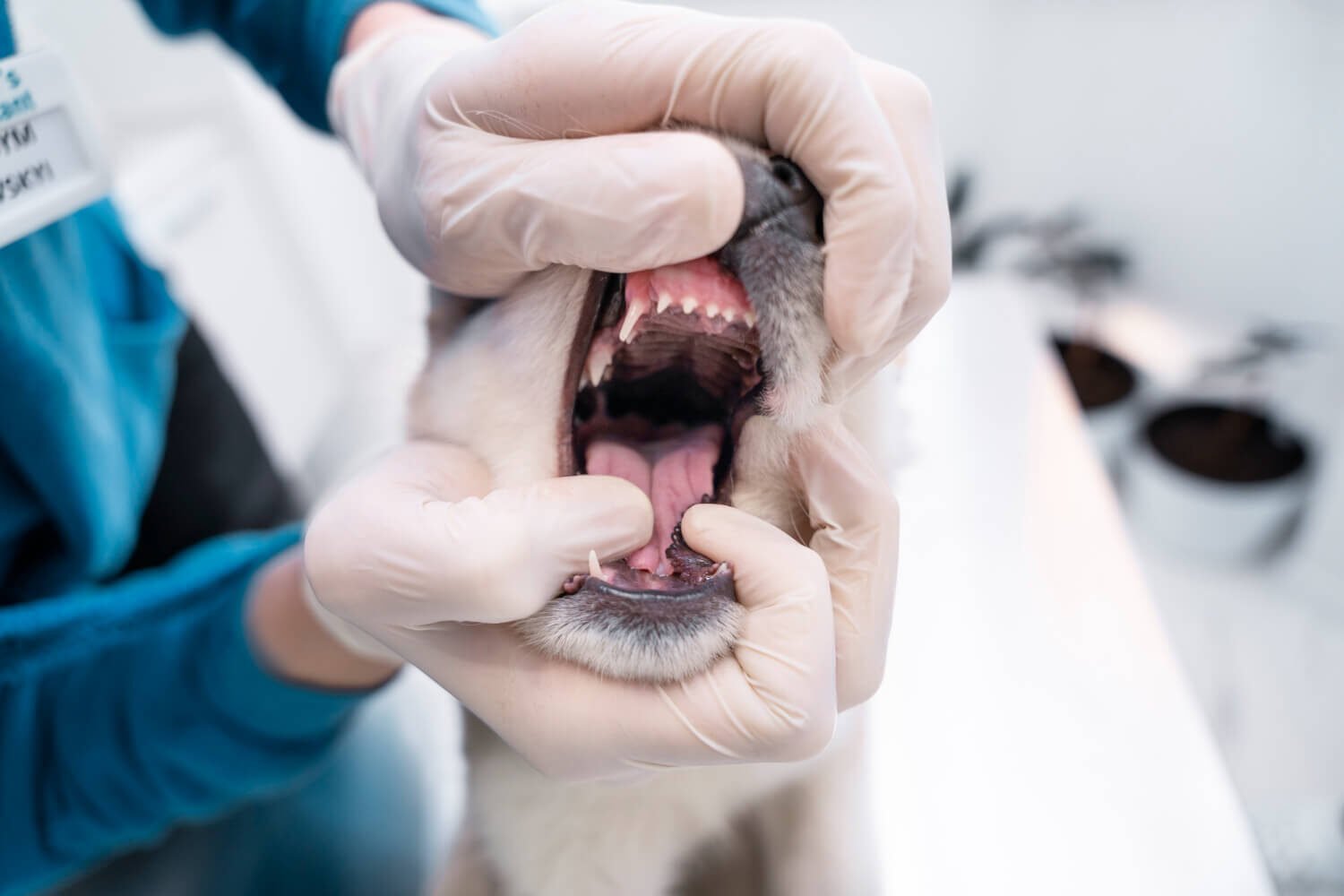
Brushing your pet’s teeth is the most effective way to prevent plaque and tartar buildup. Use a pet-safe toothbrush and toothpaste — never human toothpaste, as it can be toxic to animals. Start slowly to get your pet comfortable with the process, and aim for at least two to three brushings per week.

2. Provide Dental Chews and Toys:
Dental chews and specially designed toys help reduce plaque naturally while satisfying your pet’s chewing instincts. Look for veterinarian-approved products that promote dental health and are appropriately sized for your pet’s breed and age.

3. Feed a Dental-Friendly Diet:
Some pet foods are formulated to help clean teeth as your pet chews. These kibbles are designed to scrape away plaque and promote healthier gums. Avoid sticky or sugary treats that can contribute to bacterial growth and tooth decay.

4. Schedule Regular Vet Check-Ups:
Routine veterinary visits are essential for spotting dental problems early. Your vet can perform professional cleanings, examine for hidden issues like tooth root infections, and recommend preventive treatments based on your pet’s needs.

5. Use Dental Rinses or Water Additives:
Oral rinses and water additives can help control bacteria and freshen your pet’s breath between brushings. Choose veterinarian-approved products and introduce them gradually to your pet’s routine.

6. Monitor Their Mouth at Home:
Make it a habit to check your pet’s mouth regularly for signs of redness, swelling, or bad breath. Early detection of dental issues allows you to address problems before they become serious or painful.

7. Avoid Hard Objects for Chewing:
While it might seem like bones or hard toys clean teeth, they can actually cause fractures and dental injuries. Instead, offer softer, pet-safe alternatives designed specifically for chewing and dental care.

Myths and Misconceptions About Pet Dental Care

Many pet owners unknowingly believe common myths about dental care, which can lead to neglect or improper treatment. Misunderstandings about brushing, diet, and professional cleanings often prevent pets from receiving the care they need for healthy teeth and gums.

By separating myth from fact, you can make better decisions and ensure your pet’s dental routine truly benefits their long-term health.

  • Myth: Pets don’t need their teeth brushed.
    Fact: Regular brushing is the most effective way to prevent plaque and gum disease. Even a few brushings per week can make a big difference in maintaining oral health.
  • Myth: Bad breath is normal for pets.
    Fact: Persistent bad breath is often a sign of dental disease or infection, not just “dog breath.” It’s a warning that bacteria are building up in your pet’s mouth.
  • Myth: Dry kibble alone keeps teeth clean.
    Fact: While dry food can help reduce some plaque, it’s not enough to prevent tartar or gum disease. Brushing and dental check-ups are still necessary.
  • Myth: Only older pets get dental problems.
    Fact: Dental disease can start as early as age three in both cats and dogs. Regular care should begin during puppyhood or kittenhood.
  • Myth: If my pet is eating well, their teeth must be fine.
    Fact: Many pets continue to eat despite dental pain. They may chew on one side or swallow food whole, masking underlying issues.
  • Myth: Professional dental cleanings are unnecessary.
    Fact: Even with good home care, professional cleanings remove hardened tartar and allow vets to check for hidden problems below the gum line.
  • Myth: Giving my pet bones helps clean their teeth.
    Fact: Hard bones can crack teeth and cause serious injuries. Safer dental chews or toys are better options for oral hygiene.

When to Visit the Vet for Dental Problems?

Even with regular brushing and good home care, some dental issues require professional attention. Pets can develop hidden oral problems that aren’t visible or easy to detect at home, such as tooth root abscesses or gum infections beneath the surface. Recognizing when it’s time to seek veterinary care can make all the difference in preventing further pain and complications.

Veterinarians have the tools and expertise to diagnose and treat dental problems safely. They can perform thorough oral exams, professional cleanings under anesthesia, and identify early signs of disease that you might miss. Regular dental visits are especially important for older pets or breeds prone to dental issues.

If you notice persistent bad breath, swollen gums, excessive drooling, or changes in eating habits, don’t wait for the next routine check-up — schedule a vet visit right away. Early intervention can help save your pet’s teeth and protect their overall health.

FAQs About Pet Dental Care

Taking care of your pet’s teeth can raise many questions, especially if you’re new to pet dental care. Below are some frequently asked questions and answers to help you keep your pet’s smile clean, strong, and healthy.

1. What kind of toothbrush and toothpaste should I use for my pet?
Always use a toothbrush designed specifically for pets — these have soft bristles and are shaped to fit comfortably in your pet’s mouth. Finger brushes are also great for beginners. When it comes to toothpaste, only use pet-safe formulas that come in flavors like poultry or beef. Human toothpaste contains fluoride and other chemicals that can be toxic to animals.

2. Can pets get cavities like humans do?
Cavities are rare in pets because their diets are generally low in sugars and high in protein. However, they can still develop tooth decay caused by bacteria and plaque buildup. Regular brushing, professional cleanings, and proper diet help prevent any form of dental erosion or infection.

3. What foods help keep my pet’s teeth healthy?
Feeding your pet high-quality kibble can help mechanically remove plaque as they chew. Dental-specific diets, crunchy treats, and certain vegetables like carrots or apple slices (without seeds) can also promote oral health. Avoid sticky or sugary foods that encourage bacterial growth and tartar buildup.

4. What should I do if my pet’s gums are bleeding or swollen?
Bleeding or swollen gums are often signs of gingivitis or periodontal disease. Stop brushing immediately to avoid further irritation and schedule a vet appointment as soon as possible. Your vet can determine whether it’s a mild issue or a more serious infection requiring professional cleaning or medication.

5. Is professional dental cleaning safe for pets?
Yes, professional cleanings performed under anesthesia are safe when done by a qualified veterinarian. Anesthesia allows the vet to clean below the gum line and thoroughly examine the teeth without causing stress or pain. Before the procedure, your pet will undergo pre-anesthetic tests to ensure they’re healthy enough for the treatment.

Conclusion

Caring for your pet’s teeth is about more than just keeping their breath fresh — it’s a crucial part of ensuring their overall health and comfort. With regular brushing, a healthy diet, and routine veterinary check-ups, you can prevent most dental issues before they start and help your furry friend live a pain-free, happy life.

By making dental care a consistent part of your pet’s routine, you’re not only protecting their smile but also strengthening their quality of life. A little daily effort goes a long way toward keeping your pet’s teeth clean, strong, and healthy for years to come.

Pet Nutrition Guide What to Feed and What to Avoid

Pet Nutrition Guide: What to Feed and What to Avoid?

Our pets rely on us to make the best choices for their health and happiness — and nutrition plays a huge role in that. Just like humans, mammals need an equalized diet to stay alive, uphold a healthful weight, and avoid affliction. But with so many pet cooking brands and treats convenient, it may be confusing to experience what’s doubtlessly adapted bureaucracy.

Understanding your pet’s digestive needs helps you present them a lengthier, more healthful, and more forceful growth. From selecting the right proteins and fats to experiencing those meals to prevent, to some extent information goes a long way typical of your fuzzy companion being successful.

Why Pet Nutrition is Crucial for Overall Health and Longevity?

Just like persons, pets need the right balance of nutrients to live a long, satisfied, and alive growth. Proper food fuels their regular exercises, supports growth, strengthens the invulnerable whole, and helps claim a bright coat and athletic skin. Without it, even the most funny pets can become slow-moving or dependent on some disease.

Feeding your pet an equal diet isn’t just about the contents of their bowl — it’s about bestowing bureaucracy the base for lasting health. The right merger of proteins, grease, carbohydrates, vitamins, and minerals guarantees that each one their body functions as it sustains.

Related Blog: Pet Dental Care Guide: How to Keep Your Pet’s Teeth Clean and Healthy

Understanding Pet Nutrition Basics

Good pet nutrition starts with understanding what your furry friend’s body truly needs. Every animal — whether it’s a playful puppy, a curious cat, or a senior dog — requires specific nutrients in the right proportions to stay healthy and energetic. Knowing the basics of pet nutrition helps you make informed decisions about their food and treats.

It’s not just about calories; it’s about quality. Proteins help build strong muscles, fats provide energy and promote a shiny coat, while vitamins and minerals support everything from bone strength to immune function. When these elements work together, they create the perfect recipe for your pet’s overall well-being.

Factors That Influence Your Pet’s Diet

Every pet is unique, and so are their dietary needs. What works for one animal may not be suitable for another, even within the same breed. Factors like age, activity level, and health conditions all play a crucial role in determining the right diet for your pet.

By understanding these key influences, you can tailor their meals to support optimal health and prevent potential issues before they arise.

  • Age: Puppies and kittens need nutrient-dense food for growth, while seniors benefit from diets that support joint health and lower metabolism.
  • Breed and Size: Large breeds may require food that supports bone and joint health, whereas smaller breeds often need calorie-rich diets for their higher metabolism.
  • Activity Level: Active pets need more protein and calories, while less active ones require controlled portions to prevent obesity.
  • Health Conditions: Pets with allergies, diabetes, kidney disease, or digestive issues need specialized diets.
  • Weight: Maintaining a healthy weight prevents strain on joints and reduces the risk of chronic diseases.
  • Environment: Indoor pets may need fewer calories than outdoor pets that burn more energy.
  • Reproductive Status: Spayed or neutered pets often have lower energy needs and may require fewer calories.
  • Food Sensitivities or Preferences: Some pets have intolerances or picky eating habits that affect their food choices.

What to Feed Your Pet: Healthy and Safe Food Choices

Feeding your pet the right foods is one of the best ways to ensure they stay healthy, active, and happy. A balanced diet filled with nutritious, safe ingredients supports everything from their digestion and immune system to their coat and energy levels. Whether you choose commercial pet food or homemade meals, it’s important to know which options provide the most benefits.

Here are some healthy and safe food choices you can include in your pet’s diet:

  • High-Quality Protein: Protein is the building block of strong muscles and tissues. Look for lean meats like chicken, turkey, beef, or fish, as well as high-quality protein sources in commercial foods to support growth and repair.
  • Whole Grains: Grains such as brown rice, oats, and barley provide energy and fiber for digestion. They’re a great source of carbohydrates that help keep your pet active and satisfied throughout the day.
  • Fresh Vegetables: Vegetables like carrots, spinach, peas, and green beans add essential vitamins, minerals, and antioxidants. They aid in digestion and boost immune health while adding variety to your pet’s meals.
  • Fruits in Moderation: Small portions of pet-safe fruits such as apples (without seeds), blueberries, and bananas can provide natural sweetness and beneficial nutrients. However, they should be given sparingly due to their sugar content.
  • Healthy Fats: Omega-3 and Omega-6 fatty acids from sources like fish oil, flaxseed, or chicken fat support brain health, joint mobility, and a shiny coat. Fats are also an important energy source for active pets.
  • Quality Commercial Pet Food: Opt for trusted brands that list real meat as the first ingredient and avoid artificial preservatives or fillers. Complete and balanced formulas ensure your pet gets all necessary nutrients in every serving.
  • Clean, Fresh Water: Always provide plenty of fresh water. Hydration is vital for healthy kidneys, digestion, and temperature regulation, especially in warm climates or after physical activity.

What to Avoid: Harmful Foods and Ingredients

Not all foods that are safe for humans are safe for pets. Some common ingredients and snacks can cause serious health problems, ranging from mild stomach upset to life-threatening conditions. Knowing what to avoid is just as important as knowing what to feed your pet — it helps prevent accidental poisoning and long-term health issues.

Here are some foods and ingredients you should always keep away from your furry friend:

  • Chocolate: Contains theobromine and caffeine, both of which are toxic to pets. Even small amounts can cause vomiting, rapid heart rate, seizures, and, in severe cases, death.
  • Grapes and Raisins: These seemingly harmless fruits can lead to sudden kidney failure in dogs and cats. It’s safest to avoid them entirely, even in small quantities.
  • Onions and Garlic: Both contain compounds that can damage red blood cells, leading to anemia. Whether raw, cooked, or powdered, these ingredients are toxic to pets.
  • Avocado: Contains persin, a toxin that can cause vomiting and diarrhea in dogs and more severe reactions in some other animals like birds and rabbits.
  • Alcohol and Caffeine: Even small amounts of alcohol or caffeine can cause restlessness, tremors, and potentially fatal poisoning in pets. Always keep coffee, tea, and alcoholic beverages out of reach.
  • Xylitol (Artificial Sweetener): Found in sugar-free gum, candies, and baked goods, xylitol can cause a dangerous drop in blood sugar and liver failure, especially in dogs.
  • Cooked Bones: While raw bones can be safe under supervision, cooked bones easily splinter and can cause choking, internal injuries, or blockages in the digestive tract.
  • Fatty or Fried Foods: These can trigger pancreatitis, an inflammation of the pancreas that causes pain, vomiting, and long-term digestive problems.
  • Dairy Products: Many pets are lactose intolerant, and consuming milk, cheese, or ice cream can lead to gas, bloating, and diarrhea.
  • Raw Dough or Yeast: When ingested, dough can expand in a pet’s stomach, causing pain and potential rupture. Yeast fermentation can also produce alcohol, which is toxic.

Recognizing Signs of Poor Nutrition

Proper nutrition keeps your pet healthy inside and out, but when their diet is lacking essential nutrients, it often shows through their behavior, appearance, and overall health. Recognizing the early signs of poor nutrition can help you take corrective action before the problem worsens.

By paying close attention to changes in your pet’s body and habits, you can ensure they get the care and nourishment they need to thrive.

  • Dull or Brittle Coat: A lack of essential fatty acids, vitamins, or proteins can make your pet’s coat lose its shine and softness.
  • Dry, Flaky Skin: Insufficient hydration or nutrient imbalance often leads to itchy, irritated skin.
  • Lethargy or Low Energy: Poor nutrition means less fuel for your pet’s daily activities, causing fatigue or disinterest in play.
  • Sudden Weight Loss or Gain: Nutrient imbalances can lead to unhealthy fluctuations in weight, affecting organ and joint health.
  • Digestive Issues: Frequent vomiting, diarrhea, or constipation may signal that your pet’s food isn’t suiting their system.
  • Weak Immunity: Pets that fall ill often or take longer to recover might not be getting enough vitamins and minerals.
  • Dental Problems: A poor diet can contribute to bad breath, gum disease, and tooth decay.
  • Behavioral Changes: Irritability, anxiety, or unusual eating habits can sometimes point to nutritional deficiencies.
  • Slow Growth in Young Pets: Puppies and kittens not growing at a healthy rate may not be receiving adequate calories or nutrients.
  • Poor Muscle Tone: Insufficient protein intake can lead to weak muscles and reduced strength.

Pet Nutrition Myths and Facts

Pet nutrition is often surrounded by myths and misconceptions that can lead well-meaning owners to make poor feeding choices. With so much conflicting advice online, it’s important to separate fact from fiction to ensure your pet gets the proper care and diet they deserve.

By understanding the truth behind common nutrition myths, you can make more informed decisions that truly benefit your furry companion’s health and longevity.

  • Myth: Pets should eat the same food as humans.
    Fact: Many human foods are unsafe for pets and can cause digestive issues or toxicity. Pets need diets formulated specifically for their species and nutritional needs.
  • Myth: Grain-free diets are always healthier.
    Fact: Unless your pet has a diagnosed grain allergy, grains like rice and oats provide valuable nutrients and energy. Grain-free diets aren’t automatically better and may even lack balance.
  • Myth: Raw food diets are the most natural and therefore the best.
    Fact: While raw diets can offer benefits, they also pose risks such as bacterial contamination and nutrient imbalance. Always consult a vet before feeding raw food.
  • Myth: More protein means a healthier pet.
    Fact: Excessive protein can strain the kidneys, especially in older pets or those with health issues. Balanced nutrition is more important than sheer protein quantity.
  • Myth: Cats and dogs can share the same food.
    Fact: Cats require nutrients like taurine that aren’t found in dog food, and feeding them the same diet can lead to deficiencies.
  • Myth: Table scraps are a good way to show love.
    Fact: Many table foods are high in fat, salt, and sugar, which can lead to obesity and digestive issues. It’s safer to express love through healthy treats or playtime.
  • Myth: A chubby pet is a happy pet.
    Fact: Obesity in pets leads to joint pain, diabetes, and heart disease. Maintaining a healthy weight ensures a longer, more active life.
  • Myth: Supplements aren’t necessary if your pet eats well.
    Fact: Most pets get sufficient nutrients from balanced diets, but some may need supplements for specific conditions — always under veterinary guidance.

When to Consult a Veterinarian or Pet Nutritionist?

Even with the best intentions, it’s not always easy to determine whether your pet’s diet is meeting all their nutritional needs. Sometimes, subtle changes in behavior, weight, or appearance can indicate an underlying issue that diet alone can’t fix. That’s when professional advice becomes essential.

Veterinarians and certified pet nutritionists are trained to assess your pet’s unique needs based on their age, breed, health status, and lifestyle. They can recommend the most suitable diet plan, identify potential allergies, and guide you in choosing safe supplements or special formulas.

If your pet experiences persistent digestive issues, sudden weight changes, skin problems, or loss of energy, it’s time to consult a professional. Regular check-ups not only ensure your pet’s diet remains balanced but also help catch health problems early, giving your furry friend the best chance at a long, healthy life.

FAQs About Pet Nutrition

1. Do pets need vitamin or mineral supplements?
Most pets get all the essential vitamins and minerals they need from a well-balanced commercial diet. However, some pets with specific health conditions, allergies, or dietary restrictions may benefit from supplements. Always consult your veterinarian before adding any supplements, as over-supplementation can cause more harm than good.

2. Which fruits and vegetables are safe for pets to eat?
Many fruits and veggies make excellent, nutrient-rich snacks for pets. Safe options include carrots, green beans, peas, spinach, blueberries, apples (without seeds), and bananas. These provide vitamins, fiber, and antioxidants. Always introduce them slowly and in small amounts, as too much can upset your pet’s stomach.

3. Can pets eat human food in moderation?
Some human foods can be safely shared with pets, such as plain cooked chicken, rice, or certain vegetables. However, many human foods contain ingredients like salt, sugar, or spices that can harm your pet. Always double-check if a food is safe before offering it, and avoid feeding from the table to prevent bad habits.

4. What should I do if my pet accidentally eats toxic food?
If your pet ingests something potentially harmful — like chocolate, grapes, onions, or xylitol — contact your veterinarian or an emergency animal clinic immediately. Do not try to induce vomiting without professional advice, as this can worsen the situation. Quick action can save your pet’s life.

5. Is grain-free food really better for dogs and cats?
Grain-free diets have become popular, but they aren’t automatically healthier. Unless your pet has a diagnosed grain allergy, grains like brown rice and oats are safe and beneficial sources of energy and fiber. In some cases, grain-free diets have even been linked to heart issues in dogs, so always discuss dietary changes with your vet first.

Conclusion

Providing your pet with the right nutrition is one of the most important ways to ensure a long, healthy, and fulfilling life. A balanced diet supports every aspect of their well-being — from strong bones and muscles to a shiny coat and a happy temperament.

By understanding what to feed, what to avoid, and when to seek expert advice, you can make confident choices that meet your pet’s individual needs. Remember, good nutrition is not just about food — it’s about love, care, and a commitment to your furry friend’s lifelong health.

Cat Hygiene Tips Every Feline Owner Should Follow

Cat Hygiene Tips Every Feline Owner Should Follow

Keeping your kitten clean and athletic is an essential part of accountable pet partnership. Cats are consistently clean mammals, but they still require counseling and care from their proprietor to claim decent hygiene. Regular consideration to their educating, litter dresses, and overall cleanness can prevent energy issues and guarantee a satisfied, easy life for your cat companion.

Proper kitten cleanliness isn’t just about appearance—it again plays an important part in barring infections, lowering bad odors, and asserting a safe surroundings for two together your kitten and your household. Even household cats, the one power that appears less unprotected to dirt, benefit from routine cleanliness practices.

By understanding and following fundamental kitten cleanliness tips, owners can hold their pets athletic, wealthy, and stress-free. These natural yet persuasive practices help hearten the bond between you and your fuzzy companion while promoting a cleaner, more hygienic home.

What is Cat Hygiene and Why Does it Matters?

Cat hygiene refers to the practices and routines that help keep a cat clean, healthy, and free from parasites or infections. While cats are naturally meticulous groomers, relying solely on their instincts isn’t always enough. Proper hygiene involves regular grooming, maintaining a clean litter box, monitoring dental health, and addressing any skin or coat issues promptly.

Maintaining good cat hygiene is crucial for both the cat’s well-being and the household environment. Poor hygiene can lead to health problems such as urinary tract infections, skin irritations, dental disease, and even behavioral issues. It can also result in unpleasant odors and an increased risk of parasites like fleas or ticks.

By prioritizing cat hygiene, owners not only support their pet’s physical health but also contribute to their mental comfort and overall happiness. A clean, well-groomed cat is often a calmer, more affectionate, and socially comfortable companion.

Related Blog: A Complete Guide to Maintaining Your Pet’s Hygiene at Home

Common Consequences of Poor Hygiene in Cats

Neglecting your cat’s hygiene can lead to a range of health and behavioral problems. Even though cats groom themselves regularly, they may miss areas or struggle with certain conditions, especially as they age or if they are overweight. Poor hygiene can affect your cat’s overall well-being and may require veterinary attention if left unaddressed.

Here are some common consequences of poor hygiene in cats:

  • Skin Infections and Irritations: Accumulation of dirt, oils, or unkempt fur can cause rashes, hot spots, or bacterial infections.
  • Matting and Hairballs: Neglected grooming can lead to tangled fur, mats, and increased hairball formation, which may cause digestive problems.
  • Parasite Infestations: Fleas, ticks, and mites thrive in unclean fur, leading to itching, discomfort, and potential disease transmission.
  • Dental Problems: Poor oral hygiene can result in plaque buildup, gum disease, bad breath, and tooth loss.
  • Urinary and Litter Box Issues: Dirty litter boxes or unclean genital areas can contribute to urinary tract infections and litter box avoidance.
  • Unpleasant Odors: Lack of grooming can cause a strong, unpleasant smell from the fur, mouth, or litter box.
  • Behavioral Stress: Cats may become anxious, withdrawn, or display aggressive behavior due to discomfort from poor hygiene.

Maintaining consistent hygiene routines helps prevent these issues, ensuring your cat stays healthy, comfortable, and happy.

Daily Hygiene Habits for Cats

Maintaining daily hygiene for your cat is essential to keep them healthy, comfortable, and happy. Even though cats are naturally good at grooming themselves, daily attention from their owners can prevent health issues, reduce odor, and strengthen the bond between you and your pet. Simple daily habits can make a big difference in a cat’s overall well-being.

Here are some daily hygiene habits for cats:

1. Brushing the Fur

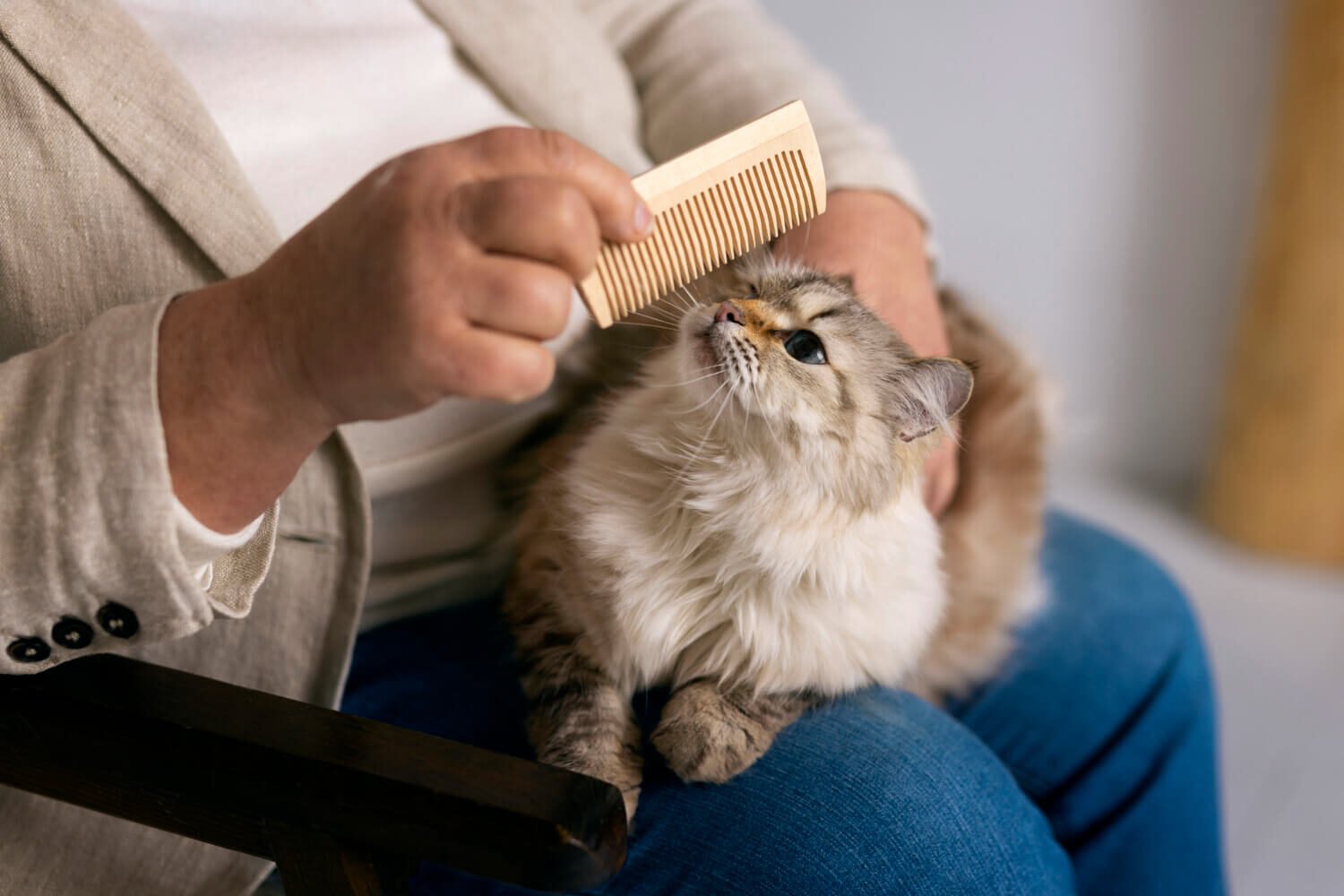
Regular brushing helps remove loose hair, prevent matting, and reduce hairballs. Short-haired cats may need a quick daily brush, while long-haired breeds require more frequent attention to avoid tangles. Brushing also stimulates blood circulation and allows you to check for parasites or skin issues.

2. Cleaning the Litter Box

A clean litter box is crucial for preventing infections and maintaining your cat’s comfort. Scoop waste at least once a day and replace litter regularly. Cats are sensitive to odors, and a dirty litter box can lead to avoidance or inappropriate elimination elsewhere in the home.

3. Checking Eyes and Ears

Daily inspection of your cat’s eyes and ears helps catch infections early. Wipe away discharge gently with a damp cloth and watch for redness, swelling, or unusual odor, which may indicate a problem requiring veterinary care.

4. Dental Care

While brushing your cat’s teeth daily may be challenging, wiping their gums or providing dental treats can help reduce plaque and maintain oral hygiene. Healthy teeth prevent bad breath, gum disease, and other systemic health issues.

5. Monitoring Skin and Coat

Check your cat’s skin for redness, bumps, or parasites while grooming. Healthy skin and a shiny coat are signs of overall well-being. Early detection of abnormalities can prevent infections or allergic reactions from worsening.

6. Keeping Claws Trimmed

Daily or frequent monitoring of your cat’s claws helps prevent overgrowth, injuries, or damage to furniture. Use a proper cat nail trimmer and trim carefully to avoid cutting the quick.

Consistently practicing these daily hygiene habits ensures your cat stays healthy, comfortable, and free from preventable illnesses, while also strengthening the bond you share.

Essential Cat Hygiene Products

Maintaining proper cat hygiene requires the right tools and products. While cats naturally groom themselves, having essential hygiene items makes it easier to keep them clean, healthy, and comfortable. Using appropriate products also helps prevent infections, skin issues, and unpleasant odors, making your cat’s daily care routine more effective.

Here are some essential cat hygiene products every owner should have:

1. Cat Brush or Comb:
Helps remove loose hair, prevent mats, and reduce hairballs. Choose a brush suitable for your cat’s coat length and type.

2. Cat Shampoo and Wipes:
Gentle, cat-specific shampoos and grooming wipes help keep the coat clean and fresh without irritating sensitive skin.

3. Litter Box and Litter:
A high-quality litter box and odor-absorbing litter are essential for maintaining a clean environment and encouraging proper elimination habits.

4. Nail Clippers:
Specialized cat nail clippers help trim claws safely and prevent overgrowth or injuries to both the cat and household furniture.

5. Ear Cleaning Solution:
Cat-safe ear cleaning solutions and cotton pads help remove wax and debris, preventing infections and discomfort.

6. Toothbrush and Dental Products:
Cat toothbrushes, dental gels, or treats help maintain oral hygiene, reduce plaque, and prevent bad breath.

7. Flea and Tick Treatments:
Regular use of veterinary-recommended flea and tick control products prevents infestations and related health issues.

8. Grooming Gloves (Optional):
Useful for cats that dislike traditional brushes, grooming gloves remove loose hair while providing a gentle massage.

Using these products consistently ensures that your cat stays clean, healthy, and comfortable while making grooming easier and stress-free for both you and your feline companion.

Related Blog: Top 10 Pet Hygiene Products Every Pet Parent Needs

Common Cat Hygiene Mistakes to Avoid

Even the most well-intentioned cat owners can make mistakes when it comes to hygiene. Overlooking certain practices or using inappropriate products can lead to health problems, stress, or behavioral issues in cats. Being aware of common mistakes helps owners maintain a safe and effective hygiene routine for their feline companions.

Here are some common cat hygiene mistakes to avoid:

1. Neglecting Regular Brushing:
Skipping grooming sessions can lead to matting, hairballs, and skin irritations, especially in long-haired cats.

2. Using Human Products:
Shampoos, soaps, or toothpaste meant for humans can irritate a cat’s sensitive skin or be toxic if ingested. Always use cat-specific products.

3. Infrequent Litter Box Cleaning:
A dirty litter box can cause infections, litter box avoidance, and unpleasant odors in your home. Daily scooping is essential.

4. Over-Bathing:
Bathing cats too often can strip natural oils from their skin, leading to dryness, irritation, and a dull coat. Most cats only need occasional baths.

5. Ignoring Dental Care:
Failing to address oral hygiene can result in plaque buildup, gum disease, bad breath, and even systemic health issues.

6. Skipping Ear and Eye Checks:
Not regularly inspecting or cleaning ears and eyes can allow infections or irritations to go unnoticed until they worsen.

7. Trimming Claws Improperly:
Cutting too deep or irregularly can cause pain, bleeding, or infections. Use proper cat nail trimmers and follow safe techniques.

8. Ignoring Parasite Prevention:
Not using flea, tick, or worm treatments can lead to infestations, skin problems, and diseases that affect both the cat and humans in the household.

Avoiding these mistakes helps ensure your cat stays healthy, comfortable, and stress-free while maintaining a clean and safe home environment.

FAQs About Cat Hygiene

Many cat owners have questions about maintaining proper hygiene for their feline companions. Here are answers to some of the most frequently asked questions:

Q1. How do I clean my cat’s ears safely?

Use a cat-safe ear cleaning solution and a soft cotton pad or ball—never use cotton swabs, as they can damage the ear canal. Gently wipe the visible part of the ear to remove wax and debris. If you notice redness, foul odor, or excessive discharge, consult a veterinarian immediately.

Q2. What is the best way to prevent hairballs?

Regular brushing helps remove loose hair before it is ingested, which is key to reducing hairballs. You can also provide hairball-specific treats or diets designed to improve digestion and minimize the formation of hairballs in the stomach.

Q3. How do I reduce cat odor in my home?

Keep the litter box clean by scooping daily and changing litter regularly. Regular grooming, including brushing and occasional bathing, also helps. Ventilation, odor-neutralizing sprays, and washable bedding can further reduce unwanted smells.

Q4. When should I take my cat to a vet for hygiene issues?

Visit a veterinarian if you notice persistent skin irritation, excessive scratching, hair loss, foul odor, unusual discharge from eyes or ears, or difficulty grooming. Early intervention can prevent minor issues from turning into serious health problems.

Q5. How often should I bathe my cat?

Most cats do not need frequent baths, as they groom themselves regularly. Bathing once every 4–6 weeks is usually sufficient unless your cat gets particularly dirty or has a skin condition. Always use cat-specific shampoo and ensure the water is lukewarm.

Conclusion

Proper hygiene is a cornerstone of keeping your cat healthy, happy, and comfortable. While cats naturally groom themselves, regular care from owners—including brushing, dental care, litter box maintenance, and parasite prevention—ensures they remain free from infections, discomfort, and behavioral issues.

By adopting consistent hygiene practices and using the right products, you can prevent common health problems, reduce odors, and strengthen the bond with your feline companion. A clean, well-groomed cat is not only healthier but also more content and affectionate, making daily care a rewarding experience for both pet and owner.

dog-hygiene-guide

Dog Hygiene 101: How to Keep Your Pup Clean and Healthy?

To be honest, dogs do have no idea how to clean. They will also play in mud, run through puddles and they will be extremely proud to bring home the strangest odours ever. And although their free and easy nonsense is part of their appeal, it also implies that their hygiene requires some special attention.

Good hygiene is not only the glossy coat or the sweet-smelling dog, but health, comfort, and life. It can be a regular hygiene routine that can help to prevent infections as well as keep off fleas and ticks.

This guide will take you through all the facts of keeping your dog clean, including not only the routine and needed items but also the pitfalls and the advice of the experts. It is high time to transform your furball into the neatest good boy (or girl) on the block. Let’s dive in!

What is Dog Hygiene and Why Does it Matters?

It is not only the bathing of the dog here and there but is a complete body care that ensures that your dog has clean skin, hair, teeth, ears and paws. The personal wellness plan of your dog. Routine grooming and cleaning are used to clean the body and simultaneously eliminate dirt, dead hair, bacteria, and parasites, which otherwise can cause health complications in the long run.

Good hygiene keeps out the bad smell, shedding and makes your home cleaner as well. More to the point, it will also provide you with the opportunity to identify possible health problems in their initial stages such as skin irritation, bumps, or ticks that might be concealed beneath the fur.

A clean dog is a happy confident dog. And the ripple effect? Furthermore, improved snuggles, reduced number of visits to the vet, and a closer bond between you and your furry best friend. Cleanliness is not vanity, it is a necessary device.

Related Blog: A Complete Guide to Maintaining Your Pet’s Hygiene at Home

Common Consequences of Poor Hygiene

The time spent now will save you the money you could lose down the line because you didn’t take your dog to the vet to have its hair cut. Lack of hygiene may cause inconvenience, infections, and even severe health issues which can be entirely avoided by spending several minutes of attention every week.

The following are some of the most notable effects of not taking care of the hygiene of your dog:

  • Skin Infection: Bacteria or fungus can be caused by the presence of dirt, moisture and parasites which result in itching, reddening, and loss of hair.
  • Ear Infections: SORE ears do not dry out and breed with floppy ears are good sources of ear infections of bacteria and moisture.
  • Dental Problems: absence of oral care may lead to the accumulation of plaque, bad breath and even the gum disease which attacks the internal organs.
  • Flea and Tick Infestations: When one does not check it regularly, parasites multiply causing itching, allergies and even diseases.
  • Overgrown Nails: Long nails may be painful on foot, lead to posture problems, or be accidentally injured.
  • Bad Smell: Dirt and bacteria growth may cause unpleasant smell of your dog even after a bath.
  • Eye Irritation: The presence of stains of tears and dirt on and about the eyes may result in infection or irritation.
  • Stated simply: bad hygiene does not only look bad but it is bad to your pet.

Daily Hygiene Habits for Dogs

The dog should be consistent with its hygiene. There is no need to groom your place, but little routines on a daily basis can do wonders in ensuring your pup is healthy, hygienic, and clean.

These are the necessary daily hygiene of any dog owner:

1. Wipe Paws After Walks

Paws of your dog trap dust, bacteria, and even toxic chemicals in the streets and parks. Clean them with a soft and wet cloth or pet-safe wipes after each walk. It guards against infection and your floors are clean.

2. Brush Their Coat Regularly

A daily brush in a few seconds gets rid of the loose fur, keeps the fur free of tangles, and evenly distributes natural oils. It is also an excellent method to see the fleas, ticks or skin problems at a very young age. With long haired breeds, it is a must to brush.

3. Wash Their Teeth (or Eat Dental Chews)

It is best to regularly clean the teeth of your dog using a pet-safe toothbrush and toothpaste every day but these are difficult to do so dental chews or water additives are excellent alternatives. They assist in the removal of plaque and fresh breath as well as keeping gums healthy.

4. Check Ears and Eyes

Pay daily a quick inspection to the ears and the eyes of your dog. Watch out for reddening, discharge, foul odor. Before the infections begin, a slight swipe of the outer ear and eye region can prevent it.

5. Maintain Their Sleeping Space Clean

Fur, drool and bacteria have been deposited on your dog’s bed and blankets. Shake them out a little each day and wash them once a week to keep them clean and minimize body smells.

6. Offer Bowls and Clean Water

Clean the water and food bowls of the dog on a daily basis. Unmoving water, and food residues are the growth habitat of bacteria. Bowls made of stainless steel are the easiest to clean and the most hygienic.

Developing these habits as a part of your daily life is a necessary step to keep your dog fresh, healthy and always willing to give you snuggles.

Dog Hygiene Products Every Owner Needs

Bathing​‍​‌‍​‍‌​‍​‌‍​‍‌ can often be a difficult way to get started with grooming your dog and this article is all about the necessary tools. 

Think of this list as the bare minimum you need to keep your dog clean and hygienic:

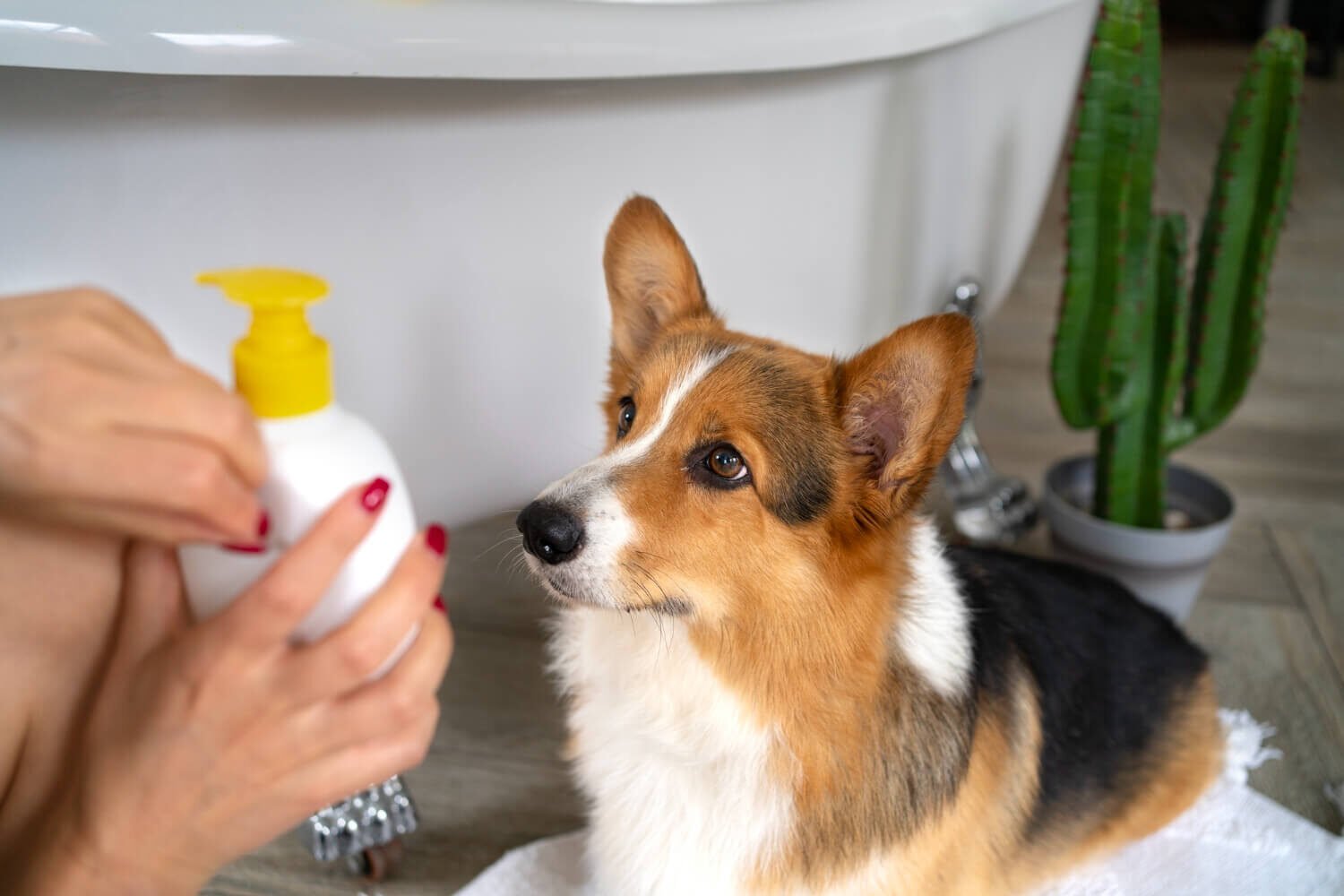
  • Dog parents should make sure that the shampoo and conditioner you use are mild, pH-balanced ones formulated for dogs. No human shampoo is okay for dogs.
  • Also for dog grooming, a brush or comb is necessary. A slicker brush is for long-haired breeds but bristle or rubber brushes are better for shorter coats.
  • Regular nail trimming is a must and will help avoid overgrown nails, pain, and even injury.
  • Good nail clippers or grinders are what you need and if you are new to dog nails, look for a safety guard. Grinders are also quieter and gentler.
  • Another question is how to clean a dog’s ears? The answer is with ear cleaning solutions that will keep wax and dirt from building up.
  • Dental hygiene is easy with a pet toothbrush and toothpaste that contain enzymes to tackle oral disease and bad breath.
  • It is the same for the dog’s paws; you just need an hygienic solution to mop up dirt, dust, and other substances.

Any dog, no matter what breed, will want to feel fresh and thus a deodorizing spray or dry shampoo is also ​‍​‌‍​‍‌​‍​‌‍​‍‌necessary.

Related Blog: Top 10 Pet Hygiene Products Every Pet Parent Needs

Common Dog Hygiene Mistakes to Avoid

Even​‍​‌‍​‍‌​‍​‌‍​‍‌ the most loving dog parents may unconsciously make a mistake when it comes to their dog’s hygiene. Some of the mistakes may seem harmless but they can actually cause infections, discomfort, or even health problems that will last for a long time. It is equally important to know what not to do as it is to know what to do.

Here are the common hygiene mistakes you should always steer clear of:

  • Using Human Products: Human soaps and shampoos contain ingredients that are too harsh for dogs and therefore the skin of the dogs gets irritated. It is better to use dog-safe products.
  • Overbathing: If a dog is bathed too often the necessary oils that are in the skin of the dog are removed and this leads to dry skin and itching. Bathing should be done only when it is necessary — normally it’s every 3–4 weeks.
  • Skipping Nail Trims: Nails that are too long can cause the dog to be in pain and also a problem with the dog’s posture. Do it every few weeks or as needed.
  • Ignoring Ears and Eyes: The ears and eyes are the most common places where infections can develop. Therefore, it is very important to clean and check them regularly.
  • Infrequent Brushing: If a dog is not brushed it will lead to matted hair, dandruff, and the dog may become infested with parasites — especially if it is a long-haired breed.
  • Neglecting Dental Care: Is the dog’s breath bad? It’s not “just a dog thing.” In fact, it’s a sign that there is plaque buildup or that the gums are affected.
  • Dirty Bedding & Toys: These things can be the home of bacteria and fleas. Wash them weekly but use pet-safe cleaners.
  • Not Drying Properly After Baths: When the dog is left wet fungal diseases and bad odors may develop. Therefore dry your dog with a towel or a hairdryer.

If you stay away from these mistakes your dog’s hygiene will be safe, smooth, and ​‍​‌‍​‍‌​‍​‌‍​‍‌stress-free.

FAQs About Dog Hygiene

Keeping​‍​‌‍​‍‌​‍​‌‍​‍‌ a dog’s hygiene is often very confusing as a multitude of advices that are contradictory to each other come along. Therefore, here are the fastest, professional, and researched answers to the questions which the pet parents ask most frequently regarding cleanliness and health of their dogs.

Q1. What is the best way to prevent ear infections in dogs?

It is very important to watch closely the healthcare of pets’ ears. Give your ears a vet-ear-approved solution once a week and clean the outer ear very gently with the help of cotton or gauze. Do not insert anything deeply into the ear. Besides that, do not forget to dry your dog’s ears properly after baths or swimming as moisture allows the germs to settle there and thus, infections take place.

Q2. How often should I brush my dog’s coat?

Short-haired dogs can be brushed 2–3 times a week whereas long-haired or double-coated dogs should be brushed at least once a day in order to prevent the formation of matted hair and tangles. Additionally, regular brushing also allows the natural oils to be evenly spread and thus, your dog’s coat becomes glossier and healthier.

Q3. How do I check my dog for fleas and ticks?

When you are feeling through the coat of your dog with your hand, be sure to check the most common hiding places of these creatures as well, i.e. the neck, ears, tail base, and armpits. You might find very tiny black specks which are the dirt that comes from fleas or little brown ticks that are intimately attached to the skin of the animal. Use a flea comb regularly and, if there is a necessity, put on a vet-recommended anti-flea treatment.

Q4. When should I take my dog to a professional groomer?

If your dog’s hair is long, thick, or curly, through professional grooming which is recommended every 4–6 weeks, you can keep it clean and well-managed from shedding, matting, and other hygiene problems. Apart from this, grooming experts can do various other things for your pets such as that of cutting their nails in a safe manner, cleaning their ears, and helping with the areas which are difficult to get handled at home.

Q5. What is the best way to reduce dog odor at home?

The​‍​‌‍​‍‌​‍​‌‍​‍‌ first step is actually the most basic and it means going for regular brushing, proper drying after baths, and clean bedding. In addition, you may put on pet-safe deodorizing sprays or dry shampoos in the intervals of washing. Also, please keep in mind that a long-lasting odor can indicate a health problem in your pet, therefore, if your dog still smells badly, it is better to take him/her to a vet without ​‍​‌‍​‍‌​‍​‌‍​‍‌delay.

Conclusion

A​‍​‌‍​‍‌​‍​‌‍​‍‌ clean dog is certainly more lovable, but it also reflects that you are a good pet parent. Proper hygiene is undoubtedly the easiest and most effective way of showing your love to your furry friend. It keeps them healthy, lively, and makes them feel good with their own skin (and fur).

Definitely, these are such small things like brushing, bathing, and checking the paws and teeth that eventually lead to the welfare of your pet for a whole life. Keep in mind that hygiene is not only for beautification – it is also prevention, protection, and ​‍​‌‍​‍‌​‍​‌‍​‍‌bonding.

If that is the case, then pick up that brush, clean the paws, and transform hygiene time into a nice, fun ritual. Your dog will be thanking you with every wag, lick, and happy roll in the grass.

Top 10 Pet Hygiene Products Every Pet Parent Needs

Top 10 Pet Hygiene Products Every Pet Parent Needs

It is a fact of life, pets are cute, but also walking chaos machines. Muddy paws, shedding fur and the mystery smell sometimes makes it like a full-time job to keep them fresh and healthy. However, this is the good news, this does not mean that you have to go to a fancy grooming salon or stock up on wipes to ensure that your pet is clean. The secret is just to have the right hygiene products.

Whether it is a shampoo or a brush, a dental chew or deodorizing spray, the right essentials may be what counts. Not only does these keep your pet clean and comfortable but also helps prevent other health related problems such as infections, odor and skin irritation.

Here, we are going to deconstruct the essential hygiene items that every pet parent must have, answer the question of why they are important, and demonstrate how to select the most suitable ones for your pet.

Importance of Pet Hygiene

Good hygiene does not only mean that you keep your pet photoshop-ready, but it means that you keep them healthy and enjoy a long happy life. Pets like humans can be exposed to hygiene related conditions such as infections, parasites as well as dental diseases when they are not taken care of. It is a healthy pet, just a clean pet.

Proper hygiene is also a way of enabling you to notice the initial signs of a health issue. As an illustration, regular brushing may expose bumps, skin allergy, or ticks before it deteriorates. Keeping your ears, teeth and paws hygienic is a way of preventing the build up of bacteria and preventing discomfort whilst having your pet groomed keeps their coat clean and their mood lifted.

In addition to the health aspect, good hygiene is good in the entire household. A properly kept pet translates to reduced shedding, reduction in allergies and a home that is clean, and fresher smelling. It will be a win-win to you and your furry friend.

Why Pet Hygiene Products Are Essential

Having good hygiene does not just mean keeping your pet Instagram ready but keeping them healthy and living a long and happy life. Pets, as human beings, may develop hygiene-related complications such as infections, parasites, and dental problems when they are not taken care of regularly. I only have a healthy pet, which is a clean pet.

Proper hygiene also assists you to find out early symptoms of health issues. As an example, regular brushing will expose skin allergies, bumps, or ticks when they are not so bad. If you keep your ears, teeth, and paws clean, it helps to prevent the accumulation of bacteria and discomfort, and since your pet is groomed regularly, his coat remains glossy, and his professional attitude improves his mood.

Other than health concerns, good hygiene is an advantage to the whole house. When an animal is well groomed, it will shed less, eliminate allergens and will make the house look and smell cleaner. It is a win-win situation both for you and your furry friend.

Top 10 Pet Hygiene Products

It is important that every pet parent possesses a good hygiene kit – the one that can make your mascot appear clean, healthy and smell great (at least not like a wet towel). The top 10 hygiene items that any responsible pet owners should possess will be listed below.

1. Pet Shampoo & Conditioner

Man heads can even dry up your animal. The pet shampoos also have the pet PH tailored so as to avoid irritation. Fur is made untangled, soft, shiny and easy to brush using conditioners. Use non-paraben, mild, and products prepared using natural ingredients e.g. aloe vera or oatmeal.

2. Grooming Brush or Comb

It is not just on looks as brushing not only cleanses, but sheds and improves the flow of blood. Slicker brush can be used to brush long haired pets and bristle or rubber brush can be used to brush short haired pets. It is also a great bonding moment which your pet will (later on) enjoy.

3. Pet Toothbrush and toothpaste

Much attention is not paid to dental health which is important. To prevent the occurrence of tartar, bad breath and gum infections, enzymatic toothpastes and pet-safe toothbrushes are useful. Brush early enough, so that your pet is used to it.

4. Paw Wipes or Wash

You are touching everything with the paws of your pet, not dirty parks alone but the streets of the city. Cleaners may be given to pets on a soft wipe or paws, so that they can remove dirty and toxic chemicals on the pads. Use them each time you take a walk to keep off infections and clean floors.

5. Nail Clippers or Grinders

Too long nails become painful and pose a joint problem. A pet nail clipper/an electric grinder can be interesting in order to trim them at home. When rewarding your pet, you should always take your time before you can reward.

6. Ear Cleaning Solution

Mostly, bacteria are hiding in ears. Wipe the ear with a recommended ear cleaner to clear the ear of wax and debris. Ear infections and odor can be avoided by cleaning the ear on a regular basis, especially with floppy-eared breeds.

7. Deodorizing Spray/ Dry Shampoo.

Spray on the deodorizing on the days between baths or dust your pet with dry shampoo. Get alcohol-free and cancel-odor natural products instead of masking smell.

8. Dental Chews

The last option is dental chews, which is superior to brushing the pet. They help in teeth cleaning, breath freshening, and reducing the amount of plaque and they all fill their chewing urge.

9. Pet Bedding Cleaner/ Disinfectant Spray.

The source of germs and scents can be the bed of your pet. Clean the bed and maintain a clean and orderly bed once a week with a non-toxic and pet friendly disinfectant or bedding cleaner. Bonus: it will get rid of the fleas and mites.

10. Tear Stain Remover.

Pets which are most likely to have watery eyes or tear marks (mostly white-furred pets) are treated using a tear stain remover. Blot using a clean cloth and gentle motions not to cause irritation.

These ten essentials will eliminate all the relevant hygiene requirements, top-to-tail.

How to Choose the Right Hygiene Products for Your Pet?

It is not always the case that a product that claims to be pet safe is properly suitable for your pet. The selection of proper hygiene items presupposes the knowledge of their breed, type of coat, and their sensitivity levels as what can work with a Labrador may not apply to a Persian cat or a parrot.

The following are some of the things to consider prior to adding anything to your cart:

  • Test Ingredients: Do not use products that contain alcohol, parabens, sulfates and artificial scent. Find hypoallergenic, natural formulas.
  • Take into Account Coat Type: Long-haired ones require detangling shampoos and slicker brushes, whereas short-haired pets enjoy soft bristles and moisturizers.
  • Match the pH Level: It is always better to use products designed to be used by pets, they have different pH in their skin as compared to humans.
  • Vet-Approved Only: Choose those products that are suggested or tested by veterinarians, mostly sensitive pets.
  • Allergy Awareness: Patch test Before applying a new shampoo or wipe, check whether you are allergic.
  • Ease of Usability: Select tools (such as nail grinders) with safety guards or self-cleaning brush, which are easy to clean.

Life with your pet should not be something that causes stress in your life because of the hygiene products. Comfort, safety and quality should always be chosen.

Common Hygiene Mistakes to Avoid

The most affectionate pet owners might accidentally fail in the hygiene routine of their pet. The problem? Certain errors do not have an impact on health or skin immediately – however, in the long run, they can lead to severe problems.

The following are the best hygiene slip-ups that should be avoided:

  • Human Products: Human shampoos and soaps tamper with the pH of the skin of your pet and will cause it to itch or have rashes. Always go with a specific pet.
  • Overbathing: Excessive bathing will deplete the natural oils in your pets leaving them dry and flaky. Keep the optimum bathing schedule of your pet.
  • Lack of Dental Care: Bad breath is not normal, it is an indicator of accumulation of plaque. It should be regularly brushed or given some dental treats.
  • Ignoring the Ears: liquid and wax may lead to infections which are painful when not washed out.
  • Miscutting the Nail: make sure you do not cut too low because you may end up bleeding and maimed- cut in small bits.
  • Contaminated Grooming Supplies: It is possible to have dirty brushes, clippers, and wipes unless they are washed or changed periodically.
  • Failing to Check the Expiry Dates: Expired hygiene products could either lose their effectiveness or become allergic.
  • Missing Routine Cleaning of Toys and Bedding: This is a bacteria habitat- wash them once a week to ensure that there are no germs in your home or your pet.

These are some of the most frequent errors that you can prevent in order to make maintaining the hygiene of your pet safe, efficient, and free of stress.

FAQs About Pet Hygiene Products

They are left with more questions on how to keep your furry friend clean and fresh? Part of the most common questions that pet parents ask can be broken down.

Q1. What type of brush is best for my pet’s fur?

It depends on your pet’s coat. Long-haired breeds require a slicker brush or dematting comb so that they are not tangled. To ensure loose hair and increase the circulation, short haired pets are best suited to a bristle brush or rubber curry comb. Polite brushing should always be against fur growth.

Q2. Can I use human shampoo on my dog or cat?

Absolutely not. Human shampoos are too acidic on the skin of a pet and it may result in skin drying, irritation and itching. When buying pet-specific shampoos, it is always important to select the right one depending on the skin PH of your pet as well as the pet coat. Find alternatives using natural products such as oatmeal or aloe vera.

Q3. How do I dry my pet properly after a bath?

Dry your pet with a soft towel – no tough rubbing. With pets that have long hair, a pet-safe blow dryer with the lowest heat level can be used. You should ensure to dry thoroughly especially between paws and folds to avoid fungus.

Q4. What are the common mistakes to avoid when using pet hygiene products?

Do not use excessive amounts of a product or mix brands or ignore labels. Excessive use leads to accumulation whereas improper blend may aggravate the skin of your pet. It is important to use products in accordance with instructions and store them in a clean dry place.

Q5. When should I consult a vet about pet hygiene issues?

Once your pet begins to show signs of redness, itching, loss of hair, foul odor or excessive licking, take him or her to the vet. This may show allergies, infections, or sensitivity to products which require medical attention.

Conclusion

The hygiene of pets is not a grooming list; it is an investment in the comfort, self-esteem, and overall health of your pet. The appropriate hygiene products ensure that promise is convenient, simple, and efficient. It may be a relaxing shampoo, a high-quality nail clipper, or a cooling deodorizing spray, each one of these products is essential in ensuring that your pet in the fur enjoys (and smells) their best.

Love is action, hygiene at the end of the day. The happiest pet is a clean and healthy one and there is nothing better than cuddling your best friend without any concern at all about dirt or smell. Always invest in quality goods, follow a regular schedule and your pet will return you all those wags, purrs or cuddles.

Pet Hygiene A Complete Guide to Maintaining Your Pet’s Hygiene at Home

A Complete Guide to Maintaining Your Pet’s Hygiene at Home

Need to tell the truth because pets are cute, but they can also be tiny walking mess-factories. And, with muddy paws to shed on your couch, fur to shed, and trails of drool to follow, cleaning them is almost a full-time job. However, the point is as follows: it is not only about keeping your place clean but also about keeping your pet healthy, happy, and comfortable as well.

A clean pet is unlikely to develop skin infection, parasites and tooth problems. In addition, hygiene routines should be performed on a regular basis, which will help them develop a stronger connection and feel loved and safe. Or no – you do not have to pay thousands in a grooming parlor. Here, it is possible to manage most of it at home with a little consistency and a good attitude.

This guide will be divided into all the information you will need to hear; the fundamental rules of keeping pets and the reasons why it is needed, step-by-step instructions on how to do it with dogs, cats, and even smaller pets. We are going into the clean side of pet parenting!

What is Pet Hygiene?

Hygiene of pets is much more than a bath every now and then. It is a complete exercise of keeping your furry (or feathered or scaly) companion healthy, comfortable, and devoid of diseases. Consider it the pet equivalent of self-care, cleaning, grooming, and checking them to make sure they are presentable and better still, feel good.

Fundamentally, pet hygiene encompasses all the things involving dipping in water, brushing, clipping their nails to cleaning their ears, teeth, and even their toys and bedding. It is not solely about the beauty of things, but rather about avoiding health issues before they occur.

All pets (dogs, cats, birds, hamsters) differ in their hygiene requirements depending on the species, type of coat, and lifestyle. Pets that live outdoors should be washed more often and have their parasites checked regularly, indoor pets need their coat maintained and their teeth cleaned regularly. The key? Getting to know the routine of your pet and including hygiene as an extension of it.

Why Hygiene Matters for Both Pet and Owner?

It is clean pets who not only smell better but also live better. Hygiene is directly related to their physical state, emotional state and even the neatness of their homes. By keeping your pet clean, you are keeping it safe, but also yourself and your family at bay, in terms of possible health complications.

This is why hygiene is an absolute in both pets and owners:

  • Averts Skin Issues: Frequent grooming will eliminate dirt, loose hair, and dead skin and decrease the likeliness of rashes, hotspots, or fungi.
  • Rid of Parasites: Clean skin and fur will make it difficult for ticks, fleas and mites to survive.
  • Promotes Oral Health: Your pet will have a clean mouth, fresh breath and no canker in the gum that can cause infection of internal organs.
  • Enhances Comfort and Mood: When a pet is clean and itch free, it is a happy pet. Hygiene increases confidence and eliminates irritability or stress.
  • Minimizes Allergens at Home: Dander and shedding are minimized to reduce human allergy.
  • Keeps Family Healthy: With good pet care, the spread of Zoonotic diseases -infections which may spread between animals and human beings will be avoided.

In brief, every person at home will win in case your pet is clean.

Common Hygiene Issues Pet Owners Overlook

The most doting pet owners are even capable of overlooking some of the hygiene red flags, and such little slip-ups may end up becoming significant issues in the future. The fact is that hygiene is not only about visible dirt, but also about the signs that can be easily missed.

The following are the most typical hygienic problems which owners of pets overlook:

  • Dirty Ears: Ear infection may be caused by blocked ears with cumulated wax, water or dirt – especially in floppy-eared dogs.
  • Unclean Nails: Long nails might be painful, or result in poor posture, or even cause an infection in case they break.
  • Tear Stains & Gunky Eyes: When left uncleaned, there is a risk of irritation or bacteria developing around the eyes.
  • Unclean Bedding or Toys: Germs, parasites, and odors are fond of dirty clothes, hence wash them frequently.
  • Dental Neglect: Bad breath and the accumulation of tartar in the teeth caused by not brushing them is capable of causing oral diseases.
  • Dirty Paws: Pets are known to collect bacteria, allergens, and toxins on walks, it is important to wipe paws after a walk.
  • Poor Brushing: Long haired breeds in particular, get matted, itchy, and infected with skin problems when they are not brushed properly.
  • Incorrect Frequency of Bathing: Excessive or insufficient bathing may cause disruption of the natural oils on the skin resulting in either dryness or greasiness.

By remaining consistent with such minor chores you will be doing yourself a great service in the long run health and happiness of your furry family member.

Tips for Different Types of Pets

A definition of clean is applicable to all of the pets. The health of a dog cannot be compared to any hygiene of a cat – nor can little animals, birds or fish have anything odd with them. The secret of a lot of pet hygiene? Conditions: You must understand what works with your animal, and adjust their routine to that.

The hygiene tips, by type of pet, are described briefly in the following:

For Dogs

  • Frequent Brushing: The short haired breeds are to be brushed once a week and the long haired breeds brushed 3-4 times a week to remove matting.
  • Bathing Schedule: Bathe once in 3-4 weeks using pet friendly shampoo. To prevent dryness of the skin, do not overbath.
  • Paw Cleaning: Clean the paws every time you are on a walk to remove the dirt or ticks or chemicals in the road.
  • Ear Checks: It is important that ears be emptied of anything but those products suggested by the vet; empty them with floppy-eared breeds.
  • Dental Care: Have teeth brushed 2-3 times a week, chew dental gum.
  • Nail Trimming: Nails trimmed biweekly to every 4 weeks so as not to split and cause pain.

Related Blog: Dog Hygiene 101: How to Keep Your Pup Clean and Healthy

For Cats

  • Brushing Routine: Cats with short hair are to be brushed once a week whereas long haired cats are to be brushed twice and at most thrice a week.
  • Litter Box Hygiene: Scoop litter box daily and deep-clean litter box weekly to prevent odor and bacterial build-up.
  • Ear and Eye Care: Wipe with a wet cloth to prevent drainage and redness.
  • Tooth Cleaning: Once a week brush with toothpaste that is not poisonous to cats or give dental treat.
  • Bathing: Bathing Most cats are self-cleaners; only dirty or stinky.

Related Blog: Cat Hygiene Tips Every Feline Owner Should Follow

For Birds

  • Feather Care: Do not pour water into an in-depth water-dish and spray down the birds so they can preen on their own.
  • Cage Cleaning: Wipe the food with disinfectant after washing the cage once in a week.
  • Beak and Nail Trimming: these should be trimmed by a vet when they are too long.

Small Pets (Hamsters, Rabbits, Guinea Pigs, and so on)

  • Bedding Care: Change the bedding on a 2-3 days rotation to prevent the formation of ammonia.
  • Grooming: Trim long haired dogs and check matting or lice.
  • Cage Cleaning: Clean cage/clean water/clean food containers every day.

For Fish

  • Tanks Cleaning: Replace 25 percent tank water weekly.
  • Filter Maintenance: Rinse every now and then, do not wash off any important bacteria.
  • Checks on Temperature and pH: No environmental stresses should be present in terms of temperature and pH.

The golden rule of any species is consistency, no matter which species. A few minutes a day will make your pet healthy – and your house smells a lot better.

Related Blog: Top 10 Pet Hygiene Products Every Pet Parent Needs

Common Hygiene Mistakes to Avoid

The hygiene practices followed by pet parents may also fail, despite the best intentions. Not all of these errors appear harmful, but they may be damaging to your pet, its skin, coat, or health in the long-term perspective. Preventing such slip-ups can save you an excessive number of visits to the vet to your pet a lot of pain.

The following are the most common hygiene errors that should be avoided:

  • On Human Products: Shampoos, soaps and toothpaste designed to suit human beings may cause an irritation on the skin or disrupt the pH balance of the pet. Always use pet-safe products.
  • Overbathing or Underbathing: Bathtaking excessively is washing away natural oils; and doing it too seldom is an invitation to bacteria and odors. Get an ideal balance in the breed and lifestyle of your pet.
  • Omissions of Ears and Teeth: Ears and Teeth are the infection hotspots – and they are the ones that are not attended to. Checks are not negotiable.
  • Missing Nail Trims: The nail is overgrown and the person may suffer pain, misalignment or even injury during playing time.
  • Failure to Clean Toys and Bowls: Bacteria may accumulate on slobbered toys and old foodstuffs – clean them regularly.
  • Poor Dry-Dressing After Baths: You should not leave your pet wet or it may develop fungi infection, and more so during wet seasons.
  • Neglecting the Paws: Paws are in contact with everything, and it is better to keep them clean after walking outside and avoid contact with infections and keep your house clean.
  • No Routine Checkups: Hygiene is not only about the grooming, but also the observation of the changes in the smell, fur, or even behavior, which can be the indication of health problems.

Minor changes in your personal care routine would go a long way in ensuring the comfort and life of your pet.

FAQs About Pet’s Hygiene

It may feel like a daunting task to keep your pet tidy when you are just starting to do so – not to mention all the opposing advice you find online. We will make it easier by providing some quick, professional-approved answers to the most frequently asked hygiene questions by every pet parent.

Q1. What is the proper way to trim my pet’s nails at home?

Begin cautiously and apply a pet nail clipper and not a human. Cut only the tip – this may also be done when you are not present as it will bleed and be painful to cut it into the quick (the pink part of the nail). In the case of dark nails, cut them in small sections. In case your pet is scared, go and file it or have a groomer demonstrate to you the correct procedure once.

Q2. How can I safely clean my pet’s ears?

Take a recommended ear cleaning solution by the veterinarian and a soft cotton ball or gauze. Wipe the outer ear carefully – never put anything deep down the ear-trail. Wash once every week to floppy-eared breeds or when the dirt is visible. When you smell something foul or drainage, then it is time to visit the vet.

Q3. What is the best way to brush my pet’s coat?

Apply a brush that best fits your pet’s coat type: long haired dogs -slicker brush, short haired dogs -bristle brush. apply brush with the direction of the growth of the hair, starting at the back of the head and proceeding forward. Frequent brushing (at least 23 times per week) facilitates shedding and increases circulation.

Q4. How often should I brush my pet’s teeth?

Preferably, every day, however, even 23 times a week of brushing is long. Apply pet toothpaste (do not use humans) and a soft-bristled brush. Cleaning in-between with dental toys or dental treats.

Q5. How often should I bathe my dog or cat at home?

In the case of dogs, every 34 weeks is ideal unless it rolls in something stinky. Cats tend to wash themselves, and thus, should be bathed only in case of necessity (sticky, dirty, shedding too much). Always apply the lukewarm water and a shampoo that is pet friendly.

Conclusion

Pets need to be kept clean not only to have a cute picture on Instagram, but it is also a way of loving, caring, and responsibility. It is good hygiene separating your pet and a heap of possible health problems. Brushing and bathes, trimming and cleaning, all those little things will be a better companion (and a cleaner house to you).

The key is consistency. Wash your hands as a habit rather than a task. Check on your pet, learn what it requires and establish a rhythm that works out between you. Believe us, your pet will talk it all with his shiny coat, fresh breathing and tail waving.

Does Pet Health Insurance Cover Vaccinations

Does Pet Health Insurance Cover Vaccinations? A Complete Guide

This is something that all pet parents would wish to see their furry friends live long, healthy, and happy lives. Whether it is normal check-ups at the vet or the necessary vaccinations, each time we do something, it leads to their health. However, with the increasing veterinary bills, most owners are asking themselves, how can they afford these bills without having to give in to the care of their pets?

That is where pet health insurance comes in. Similar to human health insurance, it assists in paying medical bills on your pets hence treatments and preventive care are affordable. However, there is one thing that seems to be on repeat- Does pet health insurance cover vaccinations as well?

In this ultimate guide, we shall be breaking down the pet insurance mechanism, what type of cover can be taken, why vaccinations are so essential, and whether your cover will cover them or not. At the end of it, you will be well-informed about what to expect and how to select the right plan to save your favorite pet.

What is Pet Health Insurance?

Pet health insurance is a financial safety net that would assist pet owners handle the animal veterinary care expenses which are usually unexpected. You pay a monthly or annual premium instead of covering the whole bill with your own money but in exchange, the insurance company reimburse you of any medical cost that is provided to be eligible. This may be emergency surgeries, routine check-ups among others depending on the plan you select.

Consider it as your personal health insurance in that it does not bring the costs down to zero but makes them much more affordable. And you do not need to be concerned about deferring treatment on account of budget. Rather, you will be able to concentrate on ensuring that your pet gets all the attention it is supposed to have without worrying about the huge bills looming over your head.

Types of Coverage available

Not every plan is created equal as far as pet health insurance is concerned. Various providers have varying amounts of coverage and it is always vital that you are aware of the kind of cover you are getting into. Other plans take into consideration wellness such as vaccinations and regular check-ups, but others are based on the cases of emergencies.

The following are some of the primary forms of coverage:

  • Accident-Only Coverage – This includes the cost of medical care provided to your pet when it becomes injured in an accident like fractures, cuts, or ingesting dangerous items.
  • Accident and Illness Coverage – It covers accidents and treatment of illnesses such as infections, allergies or chronic diseases.
  • Comprehensive Coverage – This is a broader plan which includes accidents, illnesses, diagnostic tests, surgery and even prescription drugs.
  • Wellness or Preventive Care Add-Ons – Add-On cover of routine health check-ups, yearly dental cleaning, flea/ticks, and annual health check-ups.

Importance of Pet Vaccinations

One of the easiest yet the most effective methods of keeping your pets safe against severe illnesses is vaccinations. Similar to humans, they aid in the development of immunity to harmful viruses and bacteria thus preventing diseases that would otherwise be fatal. Pets without their vaccinations are exposed to spreading of contagious diseases that can spread so fast even in communities, boarding houses or even during their normal walks at the parks.

Vaccination helps to maintain the safety of your pet, as well as, to promote the health of the population at large since it decreases the likelihood of an outbreak of animals and humans. Some of the vaccines such as rabies are in fact compulsory in a large number of locations, so these are an aspect of proper pet ownership that must not be compromised.

The following are the main reasons as to why the vaccination of pets is so critical:

Preventive Diseases – Prevents common and fatal diseases in pets like rabies, distemper and parvovirus.

Long-Term Health Savings – It is much more economical to prevent diseases rather than to cure them in the future.

Public Safety – Limits the risk of Zoonotic diseases (those that may be transferred between animals and humans).

Legal Requirement – It is mandatory in certain areas to have some vaccinations, especially rabies.

Peace of Mind – Make certain that your pet can play well with other pets and humans.

Does Pet Health Insurance Cover Vaccinations?

It is among the most usual inquiries that the owners of pets share when they wonder about whether they should insure their pets. The fact is, not all the regular pet health insurance plans are automatic with regards to the vaccination. These base plans normally are meant to take care of accidents, emergencies and illnesses- not preventive or routine care.

Nonetheless, most providers currently have wellness plans or add-ons explicitly covering the cost of vaccination. By choosing these, you are able to ensure that your pet receives the necessary vaccinations as a benefit to its general health. In this case, not only will you be secured by cases of emergencies but you will also be investing in preventative care that can save you larger medical bills in the future.

Therefore, although this may depend on your provider, plan type, etc, the general rule is: vaccinations are not typically core insurance, but may be included in optional additions or wellness or wellness packages.

Types of Insurance Plans and Vaccination Coverage

Vaccinations are not managed the same by all insurance plans. Others only cover emergencies only whereas others would allow you to include preventive care benefits. The knowledge of the difference will allow you to find the right plan that suits the needs of your pet and your budget.

These are the typical types of the plan and their approach to the coverage of the vaccination:

  • Standard Accident-Only Plans– do not include vaccinations; can only be useful when a person is suddenly injured.
  • Accident & Illness Plans– Generally omit vaccinations unless a wellness addition is added.
  • Comprehensive Plans with Wellness Riders– This includes accidents, illnesses and can also encompass preventive treatment such as making vaccinations when you add a wellness rider.
  • Dedicated Wellness or Preventive Plans – Particularly created to include regular health services like vaccinations, flea/ticks, annual examinations, and deworming.
  • Individualized Bundled Plans -There are also providers who give you the chance to create your own package in which you can include vaccinations depending on your choice.

Common Vaccinations for Pets That May Be Covered

Immunizations form the basis of preventive healthcare in pets and most insurance companies that provide wellness or preventive care supplements do cover such vaccinations. Specifically, the covered vaccines can depend on the provider, although most plans concentrate on the necessary ones that guard against the most widespread and the most dangerous illnesses.

The following is a list of some common vaccinations that come with wellness insurance:

Dogs Vaccinations:

  • Rabies – It is a legal requirement in most locations; it serves as protection to pets and to people.
  • Distemper – Prevents a viral disease, which is highly contagious and normally fatal.
  • Parvovirus – Covers against a terribly infectious and fatal intestinal infection.
  • Adenovirus (Hepatitis) – Prevents infectious canine hepatitis in dogs.
  • Parainfluenza – Helps prevent respiratory infections.
  • Bordetella (Kennel Cough) – Recommended in social dogs or those that are taken to be boarded or daycare.
  • Leptospirosis – Guards against a bacterial infection which might also afflict humans.

Related Blog: Dog Vaccinations: Essential Shots Every Dog Needs

Cats Vaccinations:

  • Rabies – A legislative act in most regions; pets and community safety play a crucial role.
  • Feline Panleukopenia (Distemper) – A viral disease which is in most cases fatal and serious.
  • Feline Calicivirus – Prevents respiratory infections.
  • Feline Herpesvirus (Rhinotracheitis) – A common respiratory disease of cats.
  • Feline Leukemia Virus (FeLV) – Recommended in situations where a cat is in danger because of kitten or outdoor life.
  • Chlamydia – Help prevent infections of the eye and breathing.

Related Blog: Cat Vaccinations: Protecting Your Feline Friend from Diseases

Factors That Influence Coverage of Vaccinations

Pet health insurance does not have a standard vaccination coverage. It is based on a combination of variables which are associated with the insurance company, the kind of plan you take and in some cases even with the profile of your pet. The knowledge of these factors will allow you not to get into a ruin when you file a claim.

The following are the primary influences of coverage:

1. Type of Plan – Standard accident/illness plans do not tend to cover vaccinations, whereas wellness add-ons or preventive care plans tend to cover them.

2. Policies of the Insurance Providers -Every company has policies concerning what is covered and what must be paid in addition.

3. Age of Pet – Puppies and kitten pets usually have varying coverage plans than adult pets and senior pets.

4. Breed and Risk Profile – There are certain breeds that are considered to be high-risk, and this may have limitations or increased premiums.

5. Geographic Location – Some areas can have a compulsory vaccination (such as rabies) which will affect insurers in terms of providing cover.

6. Optional Add-Ons – Add-ons will also give you the option to add preventive or wellness to your plan to cover the cost of vaccinations.

7. Annual Limits & Caps – There can be annual limits and caps even where the vaccinations are covered (the insurer may limit the amount he/she pays annually).

Benefits of Choosing a Plan That Covers Vaccination

What makes adopting a pet insurance plan, with or without vaccination coverage, more than convenient is the potential to save a lot of money and have peace of mind in the long term. As the primary precautionary maintenance care is the initial line of defense in fighting expensive diseases, the coverage of these expenses makes owning a pet easier and less expensive.

The main advantages of such plans are the following:

  • Cost Savings – Vaccinations may be added up every year; insurance allows covering these repeating costs.
  • Improved Preventive Care – Promotes early vaccines and the threat of severe illnesses is decreased.
  • Peace of Mind – You do not need to worry about the inability to make vaccinations owing to financial limitations.
  • Holistic Coverage – This is a combination of preventive care and emergency care.
  • Better Pet Health – Frequent vaccination results in long and healthy lives of your pets.
  • Budget-Friendly Planning – Disperses the expenses into premiums which are quite manageable instead of lump-sum vet bills.

FAQs About Vaccinations and Pet Health Insurance

It may seem that pet parents have all the information they need, and yet, there are still several unanswered questions concerning the effect of such an action as vaccination coverage. The following are the most frequent questions, answered in a simple manner:

Q1. Are puppy and kitten vaccinations included in plans?

They are not included in most base-level insurance plans but when you buy a wellness or preventive care add-on, puppy and kitten vaccinations are usually covered. They are essential because young pets should receive a complete course of injections during the first year.

Q2. Can I buy vaccination coverage separately?

Yep, most providers will enable you to include a wellness package to your primary insurance policy. In this manner, you will be able to have cover on vaccinations, regular check-ups and other preventive measures without having to upgrade to a very costly comprehensive plan.

Q3. Do all insurance providers offer wellness add-ons?

Not all. Other companies only specialize in accident and illness plans. Before joining the providers, it is important to compare them and confirm whether they have the feature of wellness or preventative care.

Q4. Is vaccination coverage worth the extra premium?

And, when you are serious about maintaining the practice of yearly vaccinations, then yes, it tends to pay off. In the long run, the add-on would be offset by lowering your regular vet bills, not to mention that you save larger medical expenses by averting illnesses.

Q5. Does pet insurance cover rabies shots?

Basic plans do not commonly include rabies shots, although they are available in most wellness add-ons as they are legally mandated in most areas. It is always important to verify with your insurer to ensure that you do not incur any surprises.

Conclusion

Vaccination is among the best things your pet would enjoy in its health and prevent life threatening diseases and give your pet a happier and healthier life. Even though typical pet health plans do not always include vaccination, many companies will provide you with an option to add a wellness or preventive care plan that would cover these necessary yet standard types of expenses.

The trick is just in choosing your policy that fits your budget and needs of your pet. Having known what is in the different plans, their functionality and the extras, you will be in a position to make a sound decision and still ensure that you have your pet secure without necessarily stretching your budget. Finally, a strategy that covers vaccinations is both a cost-efficient activity that offers a semblance of safety because nothing is greater than being certain that your beloved pet is safe.

Cat Vaccinations Protecting Your Feline Friend

Cat Vaccinations: Protecting Your Feline Friend from Diseases

Admittedly, cats do not need any assistance, and they are very independent, but they are exposed to diseases just as any other animals in their line. The unvaccinated cats are subjected to various health risks which are unknown to them and begin with very contagious viruses, to infections that can be spread to humans. When they get vaccinated, they acquire armor, and their immune system gets stronger because they become immune to severe diseases before they strike.

The vaccinations are an indispensable part of being a responsible pet owner, because either your cat spends most of his time indoors or he prefers outdoor activities, exploring the world. They not only protect the cat’s health, but also assist in the overall safety of other pets and other people who live around them.

Why Are Vaccinations Important for Cats?

Vaccinations are crucial to the longevity of your cat and their health. Specifically kittens are very susceptible during their first few months and vaccines can assist in immunizing against potentially deadly diseases such as panleukopenia or rabies.

The other key factor is community protection. The vaccinated cats prevent the transmission of the infectious diseases in the neighborhoods, shelters, or in the family that consists of many pets. This renders vaccines to be not only necessary to the health of an individual but also to the community of felines in the large sense.

Finally, some vaccines, including rabies, are mandatory in a variety of areas. Leaving them out may jeopardize the health of your cat, besides posing legal problems to owners. In brief, vaccinations will be a long term investment in your pet’s health and safety.

Related Blog: Pet Vaccinations: Complete Guide for New Pet Owners

Types of Cats Vaccines

Similar to dogs, cats also need various kinds of vaccines based on their way of living and the exposure they may have. Vaccines are usually classified into two major types which include core vaccines and non-core vaccines.

  • Core Vaccines – These are required to all cats irrespective of their places of residence whether indoors or outdoors. They are against the most contagious diseases that are usually fatal.
  • Non-Core Vaccines – These are optional and they are recommended depending on the environment, health of the cat and the risk of exposure.

Whereas core vaccinations are compulsory to all cats, non-core ones are equally beneficial to those cats that may travel, spend time in boarding centers, or live in places where the prevalence of some infections is known. Depending upon the lifestyle and the requirements of your cat, your veterinarian will know the type of vaccines required.

Core Vaccinations Every Cat Needs

Core vaccines are essential since they cover cats against the most threatening and prevalent diseases. These diseases are extremely infectious, deadly, and in other instances, they are also dangerous to human beings. Whatever be the location of your cat, whether indoor or outdoor, these vaccines are said to be vital.

The most fundamental vaccinations a cat ought to possess are the following:

  • Rabies Vaccine– This helps in prevention of rabies which is a deadly virus that can attack humans. In the majority of regions it is legalized.
  • Feline Panleukopenia (FPV) Vaccine – helps the cats to overcome feline distemper, which is a severe and deadly disease that inhibits the immune system.
  • Feline Calicivirus (FCV) Vaccine -It is used to prevent respiratory diseases, oral cancers and arthritis in felons caused by the calicivirus.
  • Feline Herpesvirus-1 (FHV-1) Vaccine -Prevents sneezing, nasal discharge, and eye infections of feline rhinotracheitis, an infectious, upper respiratory disease.

These types of vaccines can also be delivered in a single injection under the name of FVRCP vaccine ( Feline Viral Rhinotracheitis, Calicivirus, and Panleukopenia ), which is the most comfortable to the cat and a person alike.

Non-Core Vaccinations for Cats

Not all cats need non-core vaccines, however, they are suggested depending on the lifestyle, exposure, and environmental risk. An example is such as the outdoor cats, cats which live in multi-pet homes or cats which travel frequently. Although optional, such vaccinations may be essential in the prevention of diseases that otherwise are difficult to control.

The most popular non-core cat vaccinations are as follows:

  • Feline Leukemia Virus (FeLV) Vaccine – The FeLV is transmitted by kittens and cats spending time outside, thus recommended to all of them.
  • FIV Vaccine Feline Immunodeficiency Virus (FIV) Vaccine – Some defense against FIV, which suppresses the immune system. It is usually recommended to high-risk cats.
  • Chlamydophila felis Vaccine -Prevents bacterial infections leading to conjunctivitis and respiratory disease.
  • Bordetella Vaccine – This is considered as a must have vaccine in shelters, boarding houses, or in multi cat homes to minimize the chances of respiratory infections in the cat.

The veterinarian will assess the need of these vaccinations in your cat depending on the environment and lifestyle. Core vaccines will be enough to protect most indoor-only cats, although non-core ones will provide an additional level of protection to at-risk cats.

Cat Vaccination Schedule

An appropriate vaccination treatment is the key to protecting your cat against the dangerous diseases. Early weeks in the life of kittens are the most susceptible and this is why vaccines are so critical at this early age. Routine boosters can be used once the initial doses are taken thus sustaining immunity throughout their lives.

The exact timetable can be changed, according to the health and the style of life of your cat, and the recommendations of your veterinarian. Nevertheless, the majority of cats adhere to a time-based schedule that starts at the time when they are a few weeks old. The tailored schedule can be caught up by even adult cats whose vaccination history is unknown.

The following is a general cats vaccination schedule:

  • 6-8 Weeks -First FVRCP vaccine (Feline Viral Rhinotracheitis, Calicivirus, Panleukopenia).
  • 10-12 Weeks -Second FVRCP injection + optional non-core vaccines (such as FeLV against high-risk cats).
  • 12-16 Weeks -Rabies vaccine (law in most places) and third FVRCP.
  • 1 Year – FVRCP and Rabies booster shot.
  • Annually or every 1-3 Years (Lifelong) – Rabies, FVRCP, and non core vaccines should be boosted regularly depending on the recommendation of your vet.

This program will keep your cat protected against life threatening illnesses on a regular basis throughout the lifespan.

Cost of Cat Vaccinations in India

It is not only important to vaccinate your cat but it is also quite cheap than not only the cost of treating serious diseases. The prices may be different depending on which city, clinic, and even whether you are choosing core or non-core vaccines. In most instances, the initial cost of vaccinating the kitten is relatively higher because several doses are paid during the first year, whereas the cost becomes lower after administering booster shots after a year or after every three years.

Knowing the prices also allows the pet owners to make more plans and have them available to take the necessary doses because there is no need to skip on the important dosages just because of the budget.

The average prices in India (might be different by clinic/region) are:

  • Rabies Vaccine – ₹300 to ₹500 per dose.
  • FVRCP Vaccine (3-in-1) – ₹700 to ₹1,200 per dose.
  • Feline Leukemia (FeLV) Vaccine – ₹700 to ₹1,200 per dose.
  • FIV Vaccine – ₹800 to ₹1,500 per dose.
  • Chlamydophila Vaccine – ₹500 to ₹900 per dose.
  • Bordetella Vaccine – ₹500 to ₹800 per dose.

Note: A great number of vets have a kitten vaccination plan, which includes all necessary vaccinations and boosters at a reduced rate, ensuring it is more convenient to control the expense.

Myths About Cat Vaccinations

There is a tendency of fake information being spread quicker than the actual truth when it comes to cat vaccinations. There are numerous myths surrounding the issue of cats being owned by pet families, which deny their pets an opportunity to be safeguarded in due time. It is important to debunk these myths and vaccines are among the most effective preventive measures of keeping your feline safe.

These are some of the most frequently used myths about cat vaccinations:

Myth 1: Cats that live indoors do not require vaccinations.

Although your cat may be kept inside, it is still possible that he/she can be exposed to viruses by an open window, other pets or even humans who may carry pathogens into the house on their clothes, or shoes.

Myth 2: Vaccines can be used to make cats sick.

Immunization is aimed at boosting the immunity of your cat. Although mild side effects such as slight lethargy or soreness at the place of injection can take place, there are extreme health risks, which are very rare.

Myth 3: Cats are vaccinated and they are safe forever.

Vaccination immunity fades away. To ensure long term protection, regular boosters are necessary.

Myth 4: Elderly cats are not supposed to be vaccinated.

Older cats are also susceptible to infections due to weakened immune systems that come with old age. Maintaining the vaccinations is particularly significant to them.

Myth 5: I have natural immunity.

Natural immunity is not so safe. Vaccines give the safe exposure of antigens which is a much more certain method compared to wishing a cat to develop resistance after becoming ill.

Tips for Cat Owners to Manage Vaccination Schedules

It is easy to get lost in keeping up with the vaccination schedule of your cat yet it is very easy to make it simple with a little planning. A good time finally keeps your cat safe the entire time that he or she is alive. Being proactive will help you not to rush at the last moment and contribute to the opportunities of missing doses.

The following are tips that help cat owners to handle the schedule of vaccination:

  • Keep a record of vaccination -Keep a small health diary or digital record and include all the dates of vaccination and boosters.
  • Set reminders – Get yourself a reminder on upcoming vaccinations either through your phone calendar or pet care app.
  • Call your vet– Ask your veterinarian to develop an appropriate vaccination plan, depending on the lifestyle and age of your cat as well as the state of his health.
  • Visit to the vet, combine – Make reservations to have your cat vaccinated as well as to check his health regularly to save time and minimize stress.
  • Be educated– Stay up to date with any new vaccine information and recommendations by reliable veterinary sources.
  • Don’t lose the boosters – Although your cat may not be showing any signs of sickness, it is important to have boosters to sustain immunity.

Related Blog: Does Pet Health Insurance Cover Vaccinations? A Complete Guide

FAQs About Cat Vaccinations

These are some of the concerns of many cat parents in regards to vaccinations. The following are some of the most common questions asked that may aid you to make wise decisions.

Q1. Are yearly boosters necessary for indoor cats?

Yes, indoor cats should have boosters. Their exposure is not as high, though they are still susceptible to some airborne viruses or pathogens that might be introduced by visitors, other pets or even by the windows. Boosters guarantee long term protection.

Q2. When should kittens get their first vaccine?

The primary vaccination on kittens is normally administered at the age of between 6 and 8 weeks. This is followed by a series of boosters at the interval of 3-4 weeks until they are approximately 16 weeks old so that they have good immunity.

Q3. Can cat vaccines cause long-term side effects?

Vaccines are extremely safe in the majority of cases. Slight and transient side effects such as fatigue or minor lump at the place of injection may occur but extreme cases of side effects in the long run are very rare. The risks are insignificant as compared to the benefits.

Q4. How to handle an unvaccinated adopted adult cat?

When you adopt an adult cat and he has no record of vaccination, make a visit to your vet. They will create a catch-up vaccination program that will be specific to your cat and its age, lifestyle, and health status.

Q5. Do vaccines guarantee full protection?

Vaccines decrease the possibility of the disease significantly yet those are not one hundred percent protective. Nevertheless, when an infected cat is vaccinated, the disease is never as severe and quick to cure as it is in an unvaccinated cat.

Conclusion

One of the surest methods to protect the well-being of your cat and make its life longer and happier is to vaccinate the cat. Since the basic vaccines are used to immunize against fatal viruses and the boosters are used to sustain high immunity, each of them is essential to the safety of your feline. 

Being a responsible pet parent is the greatest gift that you can give to your cat, and that is to always be informed and adhering to a vaccination program. They are much better visiting your dentist whenever you are unsure of what to do as they will advise you on the correct path to survive depending on the lifestyle of your cat and health requirements. It is also important to remember that prevention is better than cure.