
 Petopia
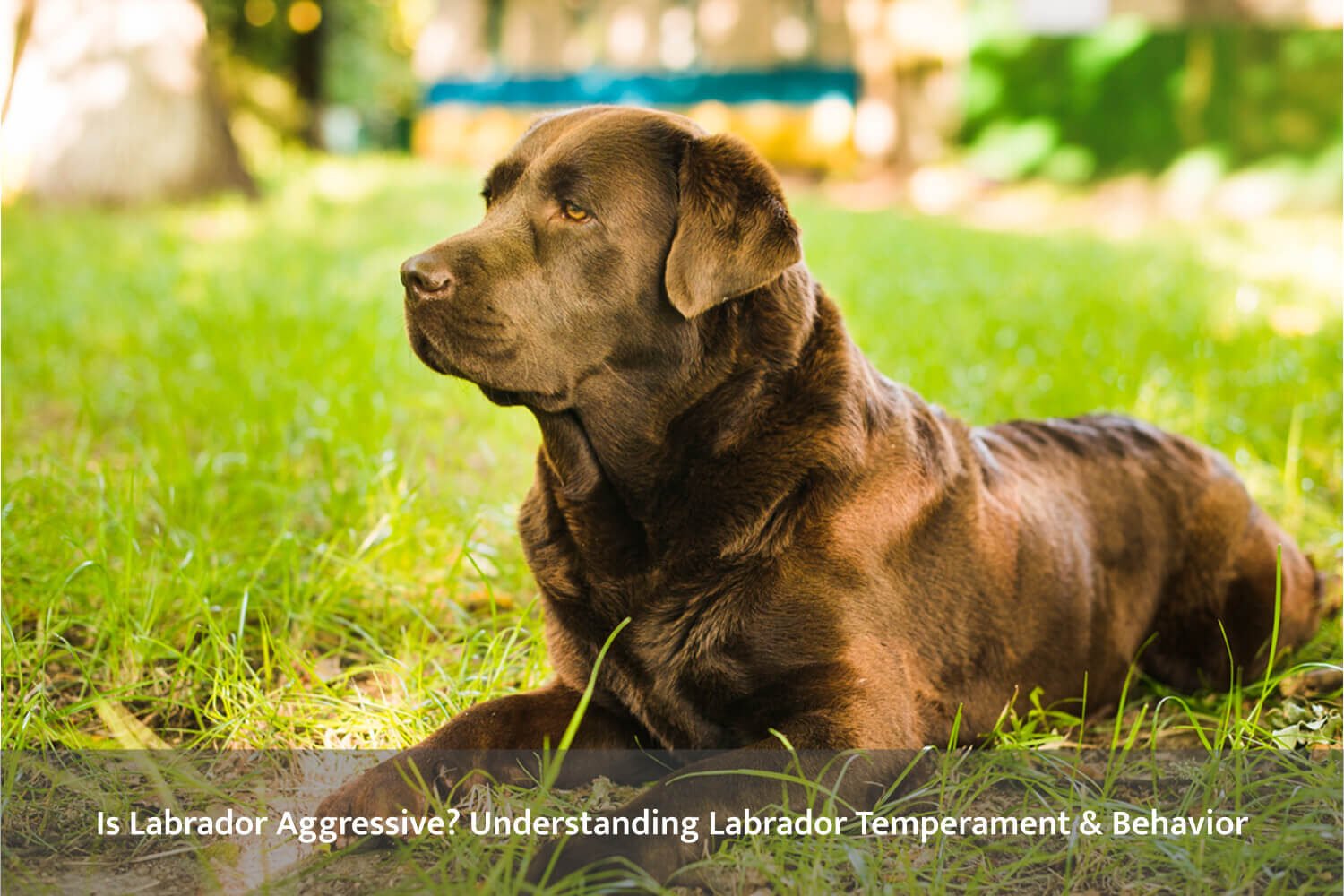
Is Labrador Aggressive? Understanding Labrador Temperament & Behavior
Are Labrador Retrievers Aggressive by Nature? (Featured Snippet Section)
Labrador Retrievers do not show natural aggression because their temperament shows friendly and sociable and gentle behavior. The development of aggression happens when dogs receive improper training and they miss out on social experiences and they experience fear and they have underlying health conditions. The family-friendly dog breed which provides maximum safety to families needs proper training and guidance and ongoing training to achieve its full potential.
Labrador Temperament Explained (Breed Personality)
People consider Labrador Retrievers to be dependable and constant pets which display their complete range of personality traits. The breed’s temperament serves as its primary strength which enables it to maintain its position as the most popular family dog throughout the world. The understanding of natural traits enables you to train your dog in ways that will produce its best possible behavior.
Friendly and Social Nature
Labradors truly experience happiness when they spend time with humans. They show natural love for others which grows stronger through their contact with family members and children and even new people. Their social behavior makes them unsuitable for guarding purposes yet they excel as loyal friends. The dogs experience distress when they remain without human contact for extended durations which creates boredom and anxiety problems.
High Intelligence & Trainability
Labradors show exceptional intelligence because of their desire to make their trainers happy which enables them to learn new skills rapidly. The dogs respond positively to training that uses rewards as motivation and they learn both basic commands and advanced skills with ease. The animals serve various roles because of their specialized training which includes service dog and therapy dog and working dog functions. The first phase of training together with the development of consistent training practices establishes their future behavior patterns.
Energy Levels and Playfulness
Labradors possess high energy levels which drive them to pursue constant physical activity. The dogs possess a cheerful and social character which needs them to engage in both physical activities and mental challenges throughout the day. The dogs need fetch games and swimming sessions as well as walking time to maintain their happiness while preventing behavioral problems that arise from their unspent energy. The dogs use their playful characteristics to become ideal companions for people who lead active lifestyles and for families.
Why Some Labradors Show Aggressive Behavior
Labradors display their natural friendliness, but certain situations can trigger aggressive behavior. The way a dog develops depends on three factors which include his breed and his life experiences and his environment and his training methods. The triggers that lead to unwanted behavior show you how to stop and teach proper behavior.
Lack of Socialization
The initial period when dogs start to meet other dogs and people establishes their basic temperament, which will remain with them throughout their lives. The first three months of puppyhood serve as essential training time because puppies need to experience various people and different environments and new sounds and other animals to learn how to behave in unfamiliar places. The presence of fear or discomfort in a person can result in aggressive behavior.
Poor Training or Neglect
Labradors need consistent guidance to understand boundaries. The dogs will develop bad habits which include jumping and excessive barking and snapping without proper training. Both emotional and physical neglect will result in frustration which leads to behavioral problems that include aggression. The absence of structured activities will create confusion and insecurity issues for the dogs.
Fear-Based Aggression
Fear represents the primary reason behind dog aggressive behavior. A Labrador will show defensive behavior when it perceives itself to be in a corner and facing a danger threat. The person shows this behavior because they have experienced negative events and received harsh punishment and face new situations. People who identify fear signals at their first signs will succeed at stopping aggressive behavior.
Resource Guarding (Food/Toys)
Labradors use their food and toys and their sleeping areas as their personal belongings which they defend from others. The dog shows resource guarding behavior through its growling and snapping at people who try to approach its protected possessions. The condition appears when a dog becomes anxious about losing its possessions yet trainers can treat it through correct training techniques.
Stress or Environmental Changes
Any sudden changes that disrupt a Labrador’s regular activities or their home environment will create stress for the dog. Stressed dogs may become irritable or reactive. The danger of stress-induced problems decreases when people establish consistent daily routines while they introduce new elements into their schedule.
Types of Aggression in Dogs (With Labrador Context)
Aggression in Labradors isn’t about them being “bad dogs.” Labradors use their aggressive behavior to show they experience discomfort or fear or pain. The situation becomes more manageable when you understand its reasons because you can address it in a peaceful and correct manner.
Fear Aggression
The Labrador exhibits this behavior when it experiences fear of danger. The dog defends itself through growling and barking while snapping its teeth at dangers. The dog becomes frightened by loud sounds and unknown people and its previous negative encounters. The combination of early socialization and gentle introduction to unfamiliar environments shows significant potential to decrease this particular danger.
Protective Aggression
Labradors lack the inherent traits of guard dogs but they develop protective behavior towards their household members. The dog shows warning signs through barking and alert standing whenever it detects emerging danger. The dog maintains controlled behavior until it receives training to recognize actual threats from imaginary threats
Possessive Aggression
The Labrador defends its food and toys and sleeping area from intruders through resource guarding behavior. The dog shows protective behavior by growling at people who come too close and with snapping. The behavior originates from insecure feelings or learned experiences but people can control it through training programs and establishing trust during resource distribution.
Pain-Induced Aggression
Even gentle Labradors display aggressive behavior when they experience pain. The body develops a sensitivity to touch from injuries and infections and health problems. The veterinarian should examine a previously calm dog that starts to show aggression because medical problems must be considered before treating the behavior.
Labrador vs Other Breeds: Aggression Comparison
Table – Aggression Levels by Breed
| Breed | Aggression Level | Temperament |
|---|---|---|
| Labrador Retriever | Low | Friendly |
| German Shepherd | Moderate | Protective |
| Rottweiler | High (if untrained) | Guarding |
| Golden Retriever | Low | Gentle |
Signs of Aggression in Labrador Dogs
Labrador dogs begin to show aggressive behavior through their initial warning signals which lead to increasing aggression. The ability to identify these early warning signals enables you to take appropriate action which will stop major incidents from occurring. The ability to understand your dog through its body movements requires you to observe its behavior closely.
Warning Signs
- Growling – A clear signal your dog is uncomfortable or wants space
- Snapping – Quick, warning bites without full contact
- Biting – A more serious reaction that needs immediate attention
- Stiff body posture – Tension, raised tail, or frozen stance indicating stress
- Excessive barking – Persistent, intense barking often triggered by fear or alertness
How to Prevent Aggression in Labrador Puppies
The process of preventing aggression develops into an easier task than its eventual correction. The development of Labradors requires trainers to establish confidence and build trust through effective communication. The creation of a calm and well-behaved adult dog requires dog owners to make small training efforts throughout their puppy’s entire development.
Early Socialization
Puppies require exposure to various people and locations and different sounds and animal species in a protected environment which fosters their development. This process enables them to become a confident dog instead of developing into a fearful individual. The Labrador learns to face new situations without fear through simple activities which include short walks and encounters with friendly people and exploration of unfamiliar locations.
Consistent Training Routine
The Labrador breed requires training programs which follow a consistent schedule to achieve optimal learning results. The establishment of basic rules requires strict adherence to the established schedule which includes meal times and walk times and essential commands. Your puppy needs consistent training because it establishes behavior boundaries which he must follow to prevent dangerous incidents.
Positive Reinforcement
The practice of rewarding correct conduct should replace the method which concentrates exclusively on identifying errors. The combination of treats with praise and playtime creates strong motivation for your Labrador to perform the desired actions. This method establishes trust between you and your puppy which will result in your puppy showing more willingness to learn from you.
Avoid Punishment-Based Training
The use of severe punishment together with shouting and physical discipline methods creates more negative outcomes than positive results. The process generates fear and anxiety which subsequently develops into aggressive behavior patterns. The process requires you to direct your puppy’s behavior away from unwanted actions while you maintain a peaceful approach. The establishment of a protected environment which provides support will result in superior outcomes that persist through time.
Training Techniques to Control Aggression
The method to handle Labrador aggression requires people to identify what causes the dog to behave aggressively, which allows them to teach the dog alternate responses. Most behavior problems can be solved through proper methods because people need to maintain their practice activities.
Basic Obedience Training
Basic commands of sit and stay and come and leave it should be used as the initial training material. The commands enable you to maintain control during dangerous situations while your dog focuses on you instead of showing dangerous behavior. Daily practice builds discipline and creates a strong foundation for better behavior.
Desensitization Techniques
This method requires you to gradually introduce your Labrador to their aggression triggers, which should be done through positive and controlled methods. The initial step involves maintaining a secure distance from your dog while you reward its calm conduct when it sees unfamiliar people. The process of decreasing distance between two points will take time to complete. The goal is to transform fear and reactivity into a state of comfort and confidence.
Reward-Based Behavior Correction
The method to correct negative behavior requires you to give rewards when your dog shows positive and calm reactions. You should give your Labrador immediate praise or a reward when it remains relaxed during a situation where it normally would show aggression. The process teaches your dog that remaining calm will result in positive rewards which strengthen your desired behavior.
Professional Trainer Support
The first step requires you to contact a professional dog trainer or behaviorist about your dog’s frequent aggressive behavior which occurs with extreme intensity. The team will assess your Labrador’s behavior to determine what causes him to respond, which enables them to develop a customized training program for his requirements. The first expert assistance will protect your dog from developing more serious problems through their work with the issue.
When Aggression Indicates a Health Problem (EEAT Section)
Medical conditions, not training problems, cause aggressive behavior in Labradors. Your dog uses sudden behavior changes as a method to show you that something is wrong with its health. The process of eliminating health conditions must occur before training can begin to correct behavioral issues.
Pain or Injury
Dogs normally conceal their discomfort until the pain level becomes unbearable which leads them to defend themselves. Your Labrador displays growling and snapping behavior while showing reluctance to be touched in certain body parts because of an existing injury or joint pain or dental problems or internal body pain. A sudden change from peaceful behavior to aggressive actions serves as an urgent danger signal.
Hormonal Imbalance
The hormonal changes in your dog will bring about changes to his emotional state and conduct. Thyroid imbalance conditions and reproductive hormone level changes which occur in unneutered dogs lead to irritability and aggression. Proper diagnosis and medical treatment are necessary for these situations.
Neurological Issues
The brain and nervous system experience disorders which transform a dog’s behavior towards its environment. Neurological disorders may show themselves through disorientation and unprovoked aggressive outbursts and atypical behavior patterns. These situations, although uncommon, require urgent veterinary care.
When to Consult a Vet
You should take your Labrador to a veterinarian if he displays sudden aggression together with increased irritability and behavior that appears unusual. The signs of aggression together with lethargy and appetite loss and limping and touch sensitivity require immediate medical evaluation. The evaluation process by a medical professional helps to find and treat any unknown health problems.
Are Labradors Safe for Families & Kids?
Labradors rank among the safest dog breeds which provide excellent companionship for families. Their gentle nature, patience, and love for human interaction make them especially good with children. Dog behavior needs proper training and active supervision along with accessible home support systems.
Why Labradors Are Family-Friendly
Labradors show their loving nature through their dedication to their owners and their capacity to bond with new people. The dogs display two fundamental personality characteristics which enable them to join the family activities while they maintain calmness during their time with young children. The dogs display a playful nature which combines with their gentle disposition to create suitability as companions for children of different age groups. This is why they are often chosen as therapy and assistance dogs as well.
Supervision Tips with Kids
Young children need constant supervision because they interact with friendly Labradors. Children should learn to treat dogs with respect by avoiding actions that include ear pulling and dog interruption during periods of eating and sleeping. The trainer must teach your Labrador to maintain his composure while the dog learns to follow your fundamental commands. Trust develops when two parties engage in safe interactions.
Ideal Home Environment
Labradors require homes that provide them with sufficient human contact and physical activity and mental challenges. Active families who dedicate time to play and walk and spend quality time with their pets allow their dogs to thrive. The combination of a stable routine and open space and a loving environment enables them to maintain happiness and good behavior.
FAQs About Labrador Aggression
Q1. Do Labradors bite their owners?
Labradors usually show gentle behavior but they will bite when they feel scared or experience pain or they receive training that fails to teach them proper behavior.
Q2. Are male Labradors more aggressive than females?
Male dogs show no greater tendency to behave aggressively than female dogs because their degree of aggression depends on their training and socialization and the environment around them.
Q3. At what age do Labradors become aggressive?
Labradors develop aggressive behavior because they lack training and socialization from their training period until their dog training ends.
Q4. Can aggression in Labradors be cured?
The majority of aggressive behavior in Labradors can be handled through training and proper practice together with professional assistance.H3 – Q5. Why is my Labrador suddenly aggressive?
Labradors develop aggressive behavior when they experience sudden outbursts which normally result from medical problems and need immediate assessment.