
No products in the cart.

Category: Pet Care

Labrador temperament and behavior

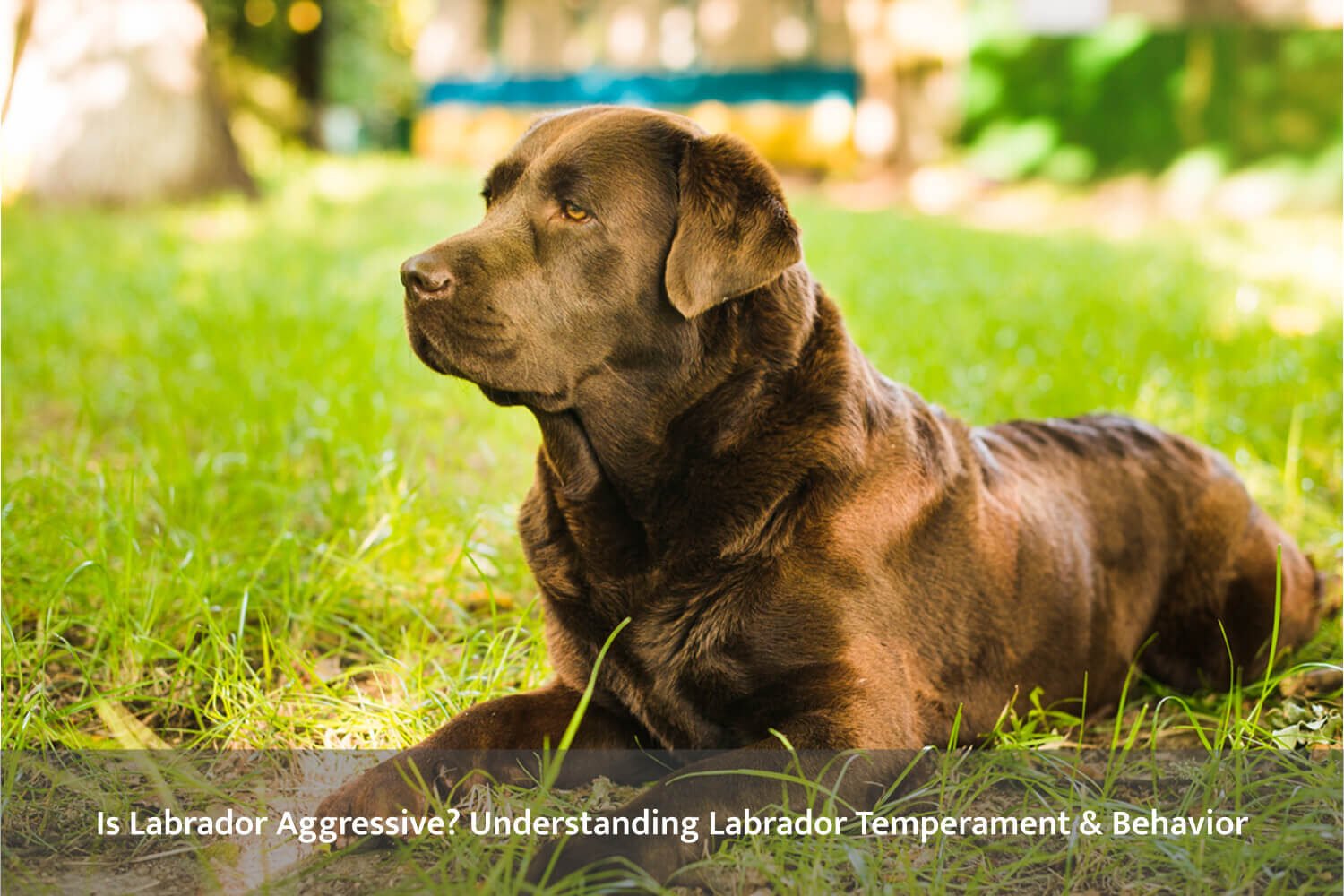
Is Labrador Aggressive? Understanding Labrador Temperament & Behavior

Are Labrador Retrievers Aggressive by Nature? (Featured Snippet Section)

Labrador Retrievers do not show natural aggression because their temperament shows friendly and sociable and gentle behavior. The development of aggression happens when dogs receive improper training and they miss out on social experiences and they experience fear and they have underlying health conditions. The family-friendly dog breed which provides maximum safety to families needs proper training and guidance and ongoing training to achieve its full potential.

Labrador Temperament Explained (Breed Personality)

People consider Labrador Retrievers to be dependable and constant pets which display their complete range of personality traits. The breed’s temperament serves as its primary strength which enables it to maintain its position as the most popular family dog throughout the world. The understanding of natural traits enables you to train your dog in ways that will produce its best possible behavior.

Friendly and Social Nature

Labradors truly experience happiness when they spend time with humans. They show natural love for others which grows stronger through their contact with family members and children and even new people. Their social behavior makes them unsuitable for guarding purposes yet they excel as loyal friends. The dogs experience distress when they remain without human contact for extended durations which creates boredom and anxiety problems.

High Intelligence & Trainability

Labradors show exceptional intelligence because of their desire to make their trainers happy which enables them to learn new skills rapidly. The dogs respond positively to training that uses rewards as motivation and they learn both basic commands and advanced skills with ease. The animals serve various roles because of their specialized training which includes service dog and therapy dog and working dog functions. The first phase of training together with the development of consistent training practices establishes their future behavior patterns.

Energy Levels and Playfulness

Labradors possess high energy levels which drive them to pursue constant physical activity. The dogs possess a cheerful and social character which needs them to engage in both physical activities and mental challenges throughout the day. The dogs need fetch games and swimming sessions as well as walking time to maintain their happiness while preventing behavioral problems that arise from their unspent energy. The dogs use their playful characteristics to become ideal companions for people who lead active lifestyles and for families.

Why Some Labradors Show Aggressive Behavior

Labradors display their natural friendliness, but certain situations can trigger aggressive behavior. The way a dog develops depends on three factors which include his breed and his life experiences and his environment and his training methods. The triggers that lead to unwanted behavior show you how to stop and teach proper behavior.

Lack of Socialization

The initial period when dogs start to meet other dogs and people establishes their basic temperament, which will remain with them throughout their lives. The first three months of puppyhood serve as essential training time because puppies need to experience various people and different environments and new sounds and other animals to learn how to behave in unfamiliar places. The presence of fear or discomfort in a person can result in aggressive behavior.

Poor Training or Neglect

Labradors need consistent guidance to understand boundaries. The dogs will develop bad habits which include jumping and excessive barking and snapping without proper training. Both emotional and physical neglect will result in frustration which leads to behavioral problems that include aggression. The absence of structured activities will create confusion and insecurity issues for the dogs.

Fear-Based Aggression

Fear represents the primary reason behind dog aggressive behavior. A Labrador will show defensive behavior when it perceives itself to be in a corner and facing a danger threat. The person shows this behavior because they have experienced negative events and received harsh punishment and face new situations. People who identify fear signals at their first signs will succeed at stopping aggressive behavior.

Resource Guarding (Food/Toys)

Labradors use their food and toys and their sleeping areas as their personal belongings which they defend from others. The dog shows resource guarding behavior through its growling and snapping at people who try to approach its protected possessions. The condition appears when a dog becomes anxious about losing its possessions yet trainers can treat it through correct training techniques.

Stress or Environmental Changes

Any sudden changes that disrupt a Labrador’s regular activities or their home environment will create stress for the dog. Stressed dogs may become irritable or reactive. The danger of stress-induced problems decreases when people establish consistent daily routines while they introduce new elements into their schedule.

Types of Aggression in Dogs (With Labrador Context)

Aggression in Labradors isn’t about them being “bad dogs.” Labradors use their aggressive behavior to show they experience discomfort or fear or pain. The situation becomes more manageable when you understand its reasons because you can address it in a peaceful and correct manner.

Fear Aggression

The Labrador exhibits this behavior when it experiences fear of danger. The dog defends itself through growling and barking while snapping its teeth at dangers. The dog becomes frightened by loud sounds and unknown people and its previous negative encounters. The combination of early socialization and gentle introduction to unfamiliar environments shows significant potential to decrease this particular danger.

Protective Aggression

Labradors lack the inherent traits of guard dogs but they develop protective behavior towards their household members. The dog shows warning signs through barking and alert standing whenever it detects emerging danger. The dog maintains controlled behavior until it receives training to recognize actual threats from imaginary threats

Possessive Aggression

The Labrador defends its food and toys and sleeping area from intruders through resource guarding behavior. The dog shows protective behavior by growling at people who come too close and with snapping. The behavior originates from insecure feelings or learned experiences but people can control it through training programs and establishing trust during resource distribution.

Pain-Induced Aggression

Even gentle Labradors display aggressive behavior when they experience pain. The body develops a sensitivity to touch from injuries and infections and health problems. The veterinarian should examine a previously calm dog that starts to show aggression because medical problems must be considered before treating the behavior.

Labrador vs Other Breeds: Aggression Comparison

Table – Aggression Levels by Breed

BreedAggression LevelTemperament
Labrador RetrieverLowFriendly
German ShepherdModerateProtective
RottweilerHigh (if untrained)Guarding
Golden RetrieverLowGentle

Signs of Aggression in Labrador Dogs

Labrador dogs begin to show aggressive behavior through their initial warning signals which lead to increasing aggression. The ability to identify these early warning signals enables you to take appropriate action which will stop major incidents from occurring. The ability to understand your dog through its body movements requires you to observe its behavior closely.

Warning Signs

  • Growling – A clear signal your dog is uncomfortable or wants space
  • Snapping – Quick, warning bites without full contact
  • Biting – A more serious reaction that needs immediate attention
  • Stiff body posture – Tension, raised tail, or frozen stance indicating stress
  • Excessive barking – Persistent, intense barking often triggered by fear or alertness

How to Prevent Aggression in Labrador Puppies

The process of preventing aggression develops into an easier task than its eventual correction. The development of Labradors requires trainers to establish confidence and build trust through effective communication. The creation of a calm and well-behaved adult dog requires dog owners to make small training efforts throughout their puppy’s entire development.

Early Socialization

Puppies require exposure to various people and locations and different sounds and animal species in a protected environment which fosters their development. This process enables them to become a confident dog instead of developing into a fearful individual. The Labrador learns to face new situations without fear through simple activities which include short walks and encounters with friendly people and exploration of unfamiliar locations.

Consistent Training Routine

The Labrador breed requires training programs which follow a consistent schedule to achieve optimal learning results. The establishment of basic rules requires strict adherence to the established schedule which includes meal times and walk times and essential commands. Your puppy needs consistent training because it establishes behavior boundaries which he must follow to prevent dangerous incidents.

Positive Reinforcement

The practice of rewarding correct conduct should replace the method which concentrates exclusively on identifying errors. The combination of treats with praise and playtime creates strong motivation for your Labrador to perform the desired actions. This method establishes trust between you and your puppy which will result in your puppy showing more willingness to learn from you.

Avoid Punishment-Based Training

The use of severe punishment together with shouting and physical discipline methods creates more negative outcomes than positive results. The process generates fear and anxiety which subsequently develops into aggressive behavior patterns. The process requires you to direct your puppy’s behavior away from unwanted actions while you maintain a peaceful approach. The establishment of a protected environment which provides support will result in superior outcomes that persist through time.

Training Techniques to Control Aggression 

The method to handle Labrador aggression requires people to identify what causes the dog to behave aggressively, which allows them to teach the dog alternate responses. Most behavior problems can be solved through proper methods because people need to maintain their practice activities.

Basic Obedience Training

Basic commands of sit and stay and come and leave it should be used as the initial training material. The commands enable you to maintain control during dangerous situations while your dog focuses on you instead of showing dangerous behavior. Daily practice builds discipline and creates a strong foundation for better behavior.

Desensitization Techniques

This method requires you to gradually introduce your Labrador to their aggression triggers, which should be done through positive and controlled methods. The initial step involves maintaining a secure distance from your dog while you reward its calm conduct when it sees unfamiliar people. The process of decreasing distance between two points will take time to complete. The goal is to transform fear and reactivity into a state of comfort and confidence.

Reward-Based Behavior Correction

The method to correct negative behavior requires you to give rewards when your dog shows positive and calm reactions. You should give your Labrador immediate praise or a reward when it remains relaxed during a situation where it normally would show aggression. The process teaches your dog that remaining calm will result in positive rewards which strengthen your desired behavior.

Professional Trainer Support

The first step requires you to contact a professional dog trainer or behaviorist about your dog’s frequent aggressive behavior which occurs with extreme intensity. The team will assess your Labrador’s behavior to determine what causes him to respond, which enables them to develop a customized training program for his requirements. The first expert assistance will protect your dog from developing more serious problems through their work with the issue.

When Aggression Indicates a Health Problem (EEAT Section)

Medical conditions, not training problems, cause aggressive behavior in Labradors. Your dog uses sudden behavior changes as a method to show you that something is wrong with its health. The process of eliminating health conditions must occur before training can begin to correct behavioral issues.

Pain or Injury

Dogs normally conceal their discomfort until the pain level becomes unbearable which leads them to defend themselves. Your Labrador displays growling and snapping behavior while showing reluctance to be touched in certain body parts because of an existing injury or joint pain or dental problems or internal body pain. A sudden change from peaceful behavior to aggressive actions serves as an urgent danger signal.

Hormonal Imbalance

The hormonal changes in your dog will bring about changes to his emotional state and conduct. Thyroid imbalance conditions and reproductive hormone level changes which occur in unneutered dogs lead to irritability and aggression. Proper diagnosis and medical treatment are necessary for these situations.

Neurological Issues

The brain and nervous system experience disorders which transform a dog’s behavior towards its environment. Neurological disorders may show themselves through disorientation and unprovoked aggressive outbursts and atypical behavior patterns. These situations, although uncommon, require urgent veterinary care.

When to Consult a Vet

You should take your Labrador to a veterinarian if he displays sudden aggression together with increased irritability and behavior that appears unusual. The signs of aggression together with lethargy and appetite loss and limping and touch sensitivity require immediate medical evaluation. The evaluation process by a medical professional helps to find and treat any unknown health problems.

Are Labradors Safe for Families & Kids?

Labradors rank among the safest dog breeds which provide excellent companionship for families. Their gentle nature, patience, and love for human interaction make them especially good with children. Dog behavior needs proper training and active supervision along with accessible home support systems.

Why Labradors Are Family-Friendly

Labradors show their loving nature through their dedication to their owners and their capacity to bond with new people. The dogs display two fundamental personality characteristics which enable them to join the family activities while they maintain calmness during their time with young children. The dogs display a playful nature which combines with their gentle disposition to create suitability as companions for children of different age groups. This is why they are often chosen as therapy and assistance dogs as well.

Supervision Tips with Kids

Young children need constant supervision because they interact with friendly Labradors. Children should learn to treat dogs with respect by avoiding actions that include ear pulling and dog interruption during periods of eating and sleeping. The trainer must teach your Labrador to maintain his composure while the dog learns to follow your fundamental commands. Trust develops when two parties engage in safe interactions.

Ideal Home Environment

Labradors require homes that provide them with sufficient human contact and physical activity and mental challenges. Active families who dedicate time to play and walk and spend quality time with their pets allow their dogs to thrive. The combination of a stable routine and open space and a loving environment enables them to maintain happiness and good behavior.

FAQs About Labrador Aggression

Q1. Do Labradors bite their owners?
Labradors usually show gentle behavior but they will bite when they feel scared or experience pain or they receive training that fails to teach them proper behavior.

Q2. Are male Labradors more aggressive than females?
Male dogs show no greater tendency to behave aggressively than female dogs because their degree of aggression depends on their training and socialization and the environment around them.

Q3. At what age do Labradors become aggressive?
Labradors develop aggressive behavior because they lack training and socialization from their training period until their dog training ends.

Q4. Can aggression in Labradors be cured?
The majority of aggressive behavior in Labradors can be handled through training and proper practice together with professional assistance.H3 – Q5. Why is my Labrador suddenly aggressive?
Labradors develop aggressive behavior when they experience sudden outbursts which normally result from medical problems and need immediate assessment.

Labrador puppy care guide

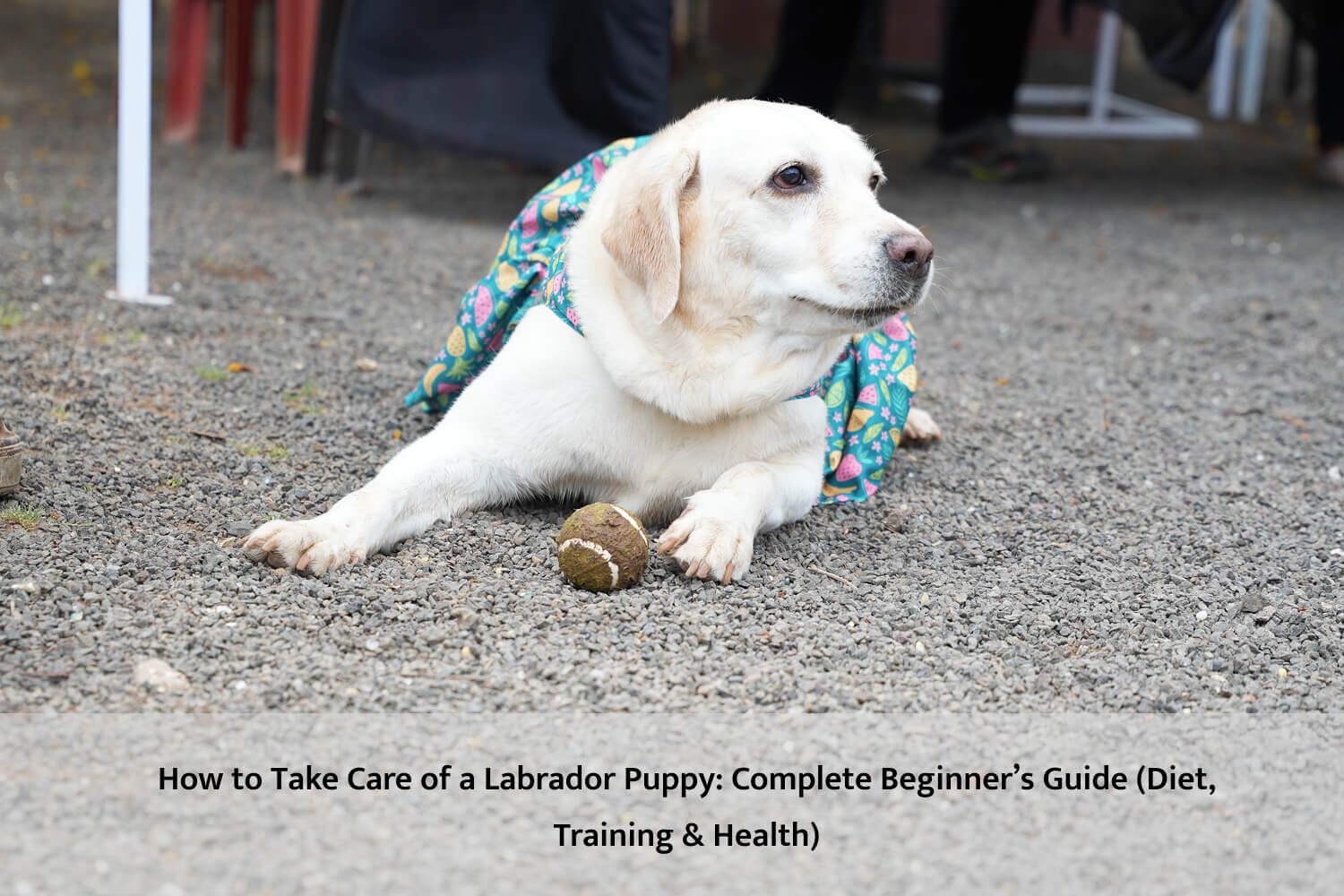
How to Take Care of a Labrador Puppy: Complete Beginner’s Guide (Diet, Training & Health)

What to Expect When You Bring Home a Labrador Puppy

The experience of bringing home a Labrador puppy creates a joyful atmosphere which later develops into an unpredictable situation. The puppies shift from displaying cuteness and drowsiness to exhibiting nonstop running behavior. The present stage of development shows you all necessary information which helps to manage the situation.

Energy Levels & Playfulness

Labrador puppies display continuous energy throughout their daily activities. The puppies show temporary periods of peace which will not extend for more than one hour during their initial development stage. The puppies display their active nature through continuous cycles of running and jumping and demanding playtime. The breed maintains its energetic state because that happens to be their natural behavior pattern. The dogs require extensive playtime and active engagement to achieve both happiness and emotional equilibrium.

Chewing & Teething Phase

All Labrador puppies experience the natural process of chewing. The teething process makes them attempt to chew on every item within their range of vision including shoes and furniture and other unexpected objects. The puppies display naughty behavior which actually results from their discomforting gum condition. The proper selection of chew toys establishes a positive impact during this developmental phase.

Need for Routine & Consistency

Labrador puppies achieve their best performance when their surroundings maintain consistent behavior patterns. The feeding schedule together with potty breaks and training sessions and scheduled play and sleep times establishes a routine which helps them adjust. The absence of established routines creates a situation in which they become hyperactive while simultaneously losing their understanding of expected behavior. The establishment of basic daily routines creates a secure environment for them which simplifies the training process as time progresses.

Essential Labrador Puppy Care Basics (Quick Start Guide)

The process of bringing a Labrador puppy home requires a simple setup which needs to follow specific rules. Your puppy will develop a safe and healthy behavior pattern through the establishment of basic routines during the first days.

Quick Care Checklist

Safe sleeping area
The puppy requires a silent area which provides them with the freedom to rest without any interruptions from outside sounds. The area should contain either a soft bed or a crate which functions as their protective resting space.

Clean water availability
You should place fresh water containers throughout the day. Labradors show high activity levels even during their puppy stage which requires them to drink water after any playing or eating activities.

Balanced puppy diet
The choice of food at this stage holds essential importance. You should select high-quality puppy food while maintaining consistent eating times. The system helps with digestion processes while establishing a daily eating pattern.

Regular vet visits
Do not postpone your initial veterinary examinations. The first three months require vaccinations and deworming and health assessments which create a basis for establishing long-term canine health.

Basic training start
The start of your training process requires only basic skills. Teaching their name together with “sit” and basic potty habits creates a powerful training package. Short training sessions which maintain a positive atmosphere and patient approach provide better results than extended training sessions

Labrador Puppy Diet Plan (Age-Wise Feeding Guide) 

The initial confusion which comes during the process of feeding a Labrador puppy arises because these dogs experience rapid growth. The tiny delicate state of the puppy lasts for one month until it reaches a stage of increased size and energy three months later. The food you give during this stage really shapes their health, energy, and overall development.

A simple, consistent diet routine is usually better than overthinking it every day.
Nutritional Requirements Which Labrador Puppies Need at the core, your puppy just needs a few important things done right:

Protein
This substance enables your puppy to develop strong muscles which support his complete physical development. Puppy foods which contain chicken or fish or lamb as their main ingredient provide good nutritional value. 

Fats
Fats supply energy to Labradors who possess an excessive amount of energy. The substances support brain growth while they maintain the smooth appearance of their fur.

Vitamins & Minerals
These nutrients function silently to conduct essential operations. Calcium and phosphorus establish strong bone structures while vitamins promote immune function and eyesight development and general growth of the body.

Table – Age vs Feeding Frequency

AgeMeals per     DayNotes
2–3 months4 mealsSmall portions
3–6 months3 mealsGrowth phase
6–12 months2 mealsTransition stage

Best Foods for Labrador Puppies

You need to show proper attention when you feed your Labrador puppy because the process requires only basic knowledge. The food they consume during their first months will determine their future energy levels and coat condition and total health status.

High-quality kibble
The most suitable choice for most people who want to feed their puppies of their age is to select a decent puppy kibble. The product already provides all essential elements which your puppy requires through its correct nutritional composition. You should select a product that meets Lancaster requirements because it will promote proper bone development in your dog.

Home diet (vet-guided)
Home-cooked food can also work, but it shouldn’t be guesswork. Puppies require protein and veggies and nutrients in precise ratios.

So if you’re planning a home diet, it’s always better to run it by a vet first. Important nutrients will become lost through the feeding process. 

Foods to Avoid 

Labradors will consume anything they find interesting but certain items prove dangerous for their health. Some common foods we eat every day can actually make them sick.

Chocolate
This one is a strict no. Dog heart function and nervous system operation become endangered through even tiny quantities of this substance.

Grapes and raisins
These may look harmless but they can seriously harm a dog’s kidneys. The best approach to handle these items is total avoidance.

Spicy or oily food
Humans find spicy fried and highly oily food to possess a delicious taste yet these items cause stomach problems and loose stools and discomfort in puppies.

Training Your Labrador Puppy (Step-by-Step) 

The process of training a Labrador puppy requires trainers to show their patience skills while they use proper timing methods to train their dog through consistent practice. The Labrador breed possesses intelligence and strong desire to learn but they need basic training instructions which they should follow from their first days of life to prevent their development of undesirable conduct.

Basic Commands to Start With

These three are the most useful early commands. The command “sit” helps dogs calm down while “stay” teaches them to wait and “come” serves as an important safety command. Your puppy needs short training sessions which you should repeat throughout the day because this method prevents him from losing interest or becoming unfocused 

Potty Training Routine

The most effective potty training process requires a consistent training schedule. The learning process for puppies becomes more efficient when they know what to expect during each stage of training.
You should establish a daily schedule to take your Labrador outside at specific times which include after waking up and after meals and after playtime and before bedtime. They will begin to link those specific times with bathroom needs. The initial stages will include accidents but daily practice establishes the habit.

Socialization Training

This process represents the primary requirement for Labrador puppy training. The first positive experiences which your puppy undergoes will result in him developing greater self-assurance throughout his future. The puppies should have controlled exposure to different people who make noises and who have friendly vaccinated dogs. The process requires time because you should show them various things while making sure they remain protected. A Labrador who receives proper socialization training will develop into a friendly calm dog who handles various environments.

Positive Reinforcement Technique

The Labrador breed shows better responses when they receive positive feedback. You should use rewards to show your expected behavior instead of showing punishment for their errors.
You should use small treats together with gentle praise and happy tone to reward their correct actions. Immediate rewards should be given when they follow your command to sit or when they use the bathroom correctly. Positive behavior will become their normal pattern because they connect it with good results.

Vaccination & Health Care Schedule (Vet-Approved) 

The health needs of a Labrador puppy require scheduled medical care which should be supervised by a veterinarian. The combination of early vaccinations together with preventive treatment establishes immunity protection which safeguards your puppy against severe life-threatening illnesses while developing a lasting immunological defense system.

Table – Vaccination Timeline

AgeVaccine
6–8 weeksDHPP
10–12 weeksBooster
14–16 weeksRabies

Deworming Schedule

Deworming vaccines are equally critical for protecting puppies because they experience high risk for developing intestinal worm infestations.
1)The first two months require biweekly treatment
2)The first six months require monthly treatment
3)The period after six months requires three-month treatment intervals which your veterinarian will determine

The process of regular deworming results in better appetite and digestion and coat quality and overall growth.

Vet Checkups Frequency

Your first veterinary visit must occur within three days of your puppy homecoming
Puppy stage (0–6 months): Every 3–4 weeks (for vaccines and growth tracking) The six-month point requires two checkups within the next half year Adults require annual checkups which should happen at least once every year

Importance of Preventive Care

The long-term health of a Labrador depends on his preventive care routine. The combination of vaccines deworming and routine checkups works to prevent multiple diseases from developing later on. Your puppy’s growth and weight and bone development and behavior changes will be monitored throughout the treatment process. The practice of consistent preventive care today results in reduced health issues for your Labrador while decreasing veterinary emergencies which leads to a happier and healthier life for your dog.

Grooming & Hygiene Routine for Labradors

First impression shows that Labrador grooming demands substantial effort, yet actual experience reveals that grooming becomes easy through established procedures. Puppy hygiene requires two essential practices which should be performed regularly because those practices maintain their cleanliness and comfort throughout the day.

Brushing Frequency

Labradors shed their fur extensively and this fact remains unchangeable. Regular brushing creates substantial improvement in their appearance.

Brushing 2–3 times a week is usually enough The procedure assists in removing undesirable hair which would otherwise distribute throughout your residence The procedure maintains their coat in a state of softness and cleanliness while preserving its healthy appearance

Most puppies might resist in the beginning but after a while many actually start enjoying it because it feels like attention and bonding time.

Bathing Schedule

Labradors require more than one bath because multiple baths do not improve their cleanliness

Stick to about one bath a month The procedure requires you to use a gentle dog shampoo which should not contain strong chemicals or intense fragrances The procedure requires them to wait until complete drying happens because wetness should not occur during cold weather.

You can clean your dog after they roll in mud or become excessively dirty from playing outside but you do not need to bathe your dog every week.

H3 – Ear Cleaning & Nail Trimming

These two grooming activities require little time but they deliver important benefits which enhance your dog s comfort

Ear cleaning: Labradors have floppy ears, which means air doesn t circulate well inside their ears. You cannot see the dirt and moisture which build up inside their ears. A gentle weekly check and clean helps prevent infections before they start. 

Nail trimming: Long nails can make walking uncomfortable and even change how your puppy stands or moves. The procedure requires trimming to take place at 3 4 week intervals. You should trim your dogs nails when you hear their nails hitting the ground.

Exercise & Mental Stimulation Needs 

Labradors are not the type of dogs that experience happiness from spending all their time resting. The dogs possess an inherent disposition to maintain active behavior while displaying their natural curiosity throughout their energetic existence. The dogs display their excess energy through three different behaviors which include chewing and barking and general restlessness. The complete well-being of the animals requires both physical workouts and mental training activities.

Daily Exercise Requirements

A Labrador puppy needs regular movement every single day to stay healthy and balanced. Puppies should receive 30 to 60 minutes of daily exercise which should occur in multiple brief exercise sessions. The exercise program permits dogs to walk and run at light speeds and play under supervision. The most effective play method for dogs involves scheduling numerous brief play periods rather than allowing them to play until exhaustion.

Interactive Toys & Games

Labradors require more than physical exercise because they require activities which engage their cognitive abilities. Chew toys and treat-dispensing balls and puzzle feeders serve as appropriate toys for use in interactive play. Fetch and hide-and-seek games provide excellent opportunities for both bonding and engagement between players.
The process of rotating toys through different time periods helps maintain player interest because it prevents players from becoming exhausted with their current selection. The dogs stay occupied through these minor activities, which also decrease the likelihood of them damaging property through chewing and other disruptive activities.

Importance of Mental Stimulation

Labradors require both physical and mental fatigue to achieve their optimal level of rest. Mental stimulation works to stop the development of boredom-related behavior problems. The study shows that it decreases destructive behavior which includes chewing furniture and digging. The training method keeps your puppy in a state of calmness while making him easier to train.
The implementation of basic training methods which include new command teaching and small task introduction and gameplay modifications will produce major improvements in their behavior and overall happiness.

Common Health Issues in Labrador Puppies (EEAT Section)

Labrador puppies exhibit strong healthiness traits but function with basic health issues which require breed-specific understanding from their first days of life. The ability to recognize symptoms through preventive actions leads to significant results. You should schedule veterinary checkups throughout your puppy’s first year because this period requires his rapid development.

Hip Dysplasia

What to watch for: The dog shows difficulties with standing up and moves between two states which involve limping and experiencing joint stiffness while showing reduced behavior patterns.

Why it happens: The combination of genetic factors with fast body development and excessive body weight makes young people experience health issues.

Prevention tips: You should maintain your puppy’s healthy weight by controlling his food intake. The first months of your puppy’s life should not include any activities which require extreme physical strain or jumping. You should provide your large-breed puppy with nutrition which meets his specific dietary requirements.

Regular vet checkups during the early stages of the disease allow better management of the medical condition

Obesity Risk

Labradors have an intense love for food which leads them to consume excessive amounts when they get the opportunity. This results in their capacity to build up body fat from an early stage in their lives. 

What to watch for: the person gains weight at a fast rate while showing lower levels of physical activity and they experience trouble with their ability to move about. The extra weight that a person carries creates pressure on their joints which results in an increased chance of developing permanent medical conditions.

Prevention Tips: The first step requires you to measure out your meals and serve them as fixed portions. The second step requires you to keep away from excessive snacks and food that you should not give to your dog. 

Ear Infections

Labradors have floppy ears which trap moisture to create a situation that leads to infections. 

What to watch for: bad smell and redness and excessive scratching and head shaking

Common causes: moisture buildup and dirt and lack of regular cleaning

Prevention tips: Check and clean ears weekly
Keep ears dry after baths or swimming
Visit a vet if you notice any unusual signs
Ear hygiene neglect will create rapid onset of both discomfort and infection.

The practice of neglecting ear hygiene leads to immediate discomfort, which subsequently progresses into an ear infection.

Digestive Issues

Puppies experience sensitive stomachs because their eating habits change. 

What to watch: loose stools and vomiting and loss of appetite.
People develop these medical issues because they suddenly change their diet patterns and they consume cheap food and they eat too much food and they eat things that they should not consume

Prevention tips:
New food should be introduced to dogs through gradual feeding.
Pet owners must establish regular feeding times and maintain them throughout the day.
Pet owners should not give their pets any human food that they find. 

The symptoms require immediate veterinary examination if they persist beyond one day or if they reach severe intensity.

Mistakes First-Time Labrador Owners Must Avoid

Overfeeding the Puppy

Labradors have an insatiable appetite which they demonstrate through their continuous eating behavior. Pet owners fail to resist their dogs’ pleading looks and consequently provide them with additional food. The problem is, overfeeding quickly leads to weight gain which most dogs experience during their lives. Extra weight at a young age can affect joints and overall growth Extra weight at a young age interrupts normal growth while establishing an overeating pattern that continues throughout their life

Skipping Training Early

Many pet owners believe that they should postpone training until their puppies reach maturity level which leads to training mistakes. The first day of life marks the beginning of a puppy’s process to learn permanent behavioral patterns. The puppy will develop bad habits such as jumping and biting and disrespecting commands without proper training from their initial development stage. The process of establishing new habits needs more effort than the work needed to create them from the beginning.

Lack of Exercise

Labradors possess high energy levels that persist throughout their entire puppyhood period. Puppies who do not use their energy through proper channels exhibit undesirable behavioral patterns. Bored puppies resort to chewing on furniture and shoes and any objects that they encounter. The dogs display symptoms of increased restlessness and hyperactivity which makes them difficult to control. The absence of physical activity leads to negative effects on their health condition

Ignoring Vet Visits

Some pet owners choose to bring their pets to the veterinarian only when their pets show visible health problems but this method leads to missed opportunities for detecting early health issues. Regular checkups provide doctors with the ability to monitor patients’ growth patterns and development process. The medical staff must adhere to the complete vaccination schedule together with deworming procedures. The medical staff needs to identify minor problems which can be treated through basic procedures before they develop into major issues.

Daily & Weekly Care Checklist 

Daily Tasks

  • Feeding – You must provide your puppy food at specific times throughout each day while using the correct amount of food. This method establishes a feeding routine which results in better digestion and stops excessive eating.
  • Walk – The puppy needs to experience short walking sessions throughout the day which help him use energy and develop into a healthy adult dog. The dog will show better behavior and sleep patterns because even short walking sessions provide benefits.
  • Playtime – You should dedicate playtime with your puppy through both toys and basic games. The activity maintains their mental engagement while you develop a stronger relationship with them.

Weekly Tasks

  • Grooming – You need to brush your Labrador dog two to three times each week because it helps control shedding and maintains their coat cleanliness. This process allows you to identify any skin problems which appear during the grooming procedure.
  • Cleaning bedding – You should wash or clean your puppy’s bed and sleeping area once every week. This process maintains cleanliness in their area while it helps eliminate both odors and harmful microorganisms.

FAQs About Labrador Puppy Care

Q1. How often should I feed a Labrador puppy?
A puppy should be feed atleast 2-3 times a day depending on age.

Q2. When should I start training my Labrador puppy?
The process of teaching them to sit or come starts at homecoming time which occurs at eight weeks. The training becomes simpler because tiny dogs will try to please their handlers.

Q3. How much exercise does a Labrador puppy need?
The puppy should be atleast train for 30-60 mins daily for better health .

Q4. What is the best diet for a Labrador puppy?
A carefully worked-out puppy diet with home-cooked meals guided by a veterinarian will give your puppy a head start.

Q5. Are Labrador puppies easy to train?
Labrador Retrievers possess inherent intelligence which they use to please their owners. When their handlers show consistent behavior with their dogs, the pets will learn faster.

Become a Petopia Member & Unlock Exclusive Pet Care Benefits

 The proper support and guidance together with all necessary services enable you to handle Labrador care operations , which become easier to manage when you use these resources. Trusted care options enable you to save time while achieving peace of mind because they eliminate the need to handle everything by yourself.

Labrador Retriever shedding hair

Do Labrador Retrievers Shed? Complete Guide to Shedding & Grooming Tips

Do Labrador Retrievers Shed a Lot? (Featured Snippet Section)

The shedding from your Labrador will exceed your ability to control it because the dog sheds throughout your home. Labs shed throughout the year because their double coat requires them to shed light hair daily and experience heavier shedding during their seasonal spring and fall periods. The process of handling dog hair becomes simpler when you perform consistent brushing and grooming activities.

Why Do Labradors Shed? (Science Explained)

Labradors shed their fur because it serves as a natural method for their body to maintain healthy fur through temperature regulation and optimal skin functioning. The scientific explanation enables you to handle the situation with more effectiveness than your current attempt to control it.

Double Coat Structure

The double coat of Labradors serves two purposes because it protects their body and keeps them warm:
Outer coat (guard hair): This layer consists of hair strands that extend beyond normal length and create a protective barrier which keeps water and dirt away from the skin while shielding it from outside threats.
Undercoat (insulation layer): The outer coat contains an undercoat which consists of a soft dense material that keeps body heat during cold weather but releases it when the weather becomes hotter.

Hair Growth Cycle in Dogs

Dogs demonstrate a natural hair growth cycle that resembles the human hair growth cycle.
During the growth phase (Anagen) hair develops from its follicle location. The resting phase (Telogen) causes hair to stop its growth process while remaining fixed in position. The shedding phase (Exogen) occurs when existing hair drops to allow new hair development . Labradors display accelerated shedding which becomes more evident because of their substantial undercoat

Role of Temperature & Hormones

Seasonal changes together with hormones use their strongest power to control shedding behavior. The warmer months bring Labrador dogs their first summer shedding period when they lose their undercoat. They develop a denser winter coat which provides them with better protection against cold weather. The hormonal changes which occur with daylight and temperature variations create this automatic biological process.

Your Labrador experiences its largest shedding period during spring and fall seasons because of its need to adapt to different weather patterns.

Seasonal Shedding vs Normal Shedding

Labradors shed their fur throughout the entire year but they experience varying levels of shedding during different times. The understanding of normal shedding patterns and seasonal shedding patterns permits you to establish grooming needs according to expected shedding times

Year-Round Shedding

The daily hair loss from your body which occurs throughout the day will create visible hair strands on your clothes and in your home. The process occurs with low intensity yet maintains steady progress because damaged or aged hair strands fall away to create space for new hair growth.

Heavy Shedding Seasons (“Blowing Coat”)

Labradors experience their shedding periods twice each year which people refer to as “coat blowing” during this time. 

Spring: They shed their thick winter undercoat to stay cool in warmer weather. 

Fall: They lose lighter summer hair to grow a denser coat for winter. 

The shedding process reaches its peak during these times yet this condition remains entirely normal and shows temporary duration

How Much Do Labrador Retrievers Shed Compared to Other Breeds?

Table – Shedding Comparison

BreedShedding LevelCoat Type
Labrador RetrieverHighDouble Coat
Golden RetrieverHighDouble Coat
BeagleModerateShort Coat
PoodleLowCurly Coat

Writer Instructions: Highlight Labs are not hypoallergenic

Labrador Coat Types and Their Role in Shedding

All Labradors show distinct physical traits, yet their shedding patterns show less variation than people think. The three factors of coat type and breeding line and density show more influence than color alone.

Black, Yellow, Chocolate Labs (Does Color Matter?)

People believe that shedding patterns depend on coat color, which scientists have proven to be false. The amount your Labrador sheds stays constant across all three color variations, which include black and yellow and chocolate. All Labradors possess a double coat, which causes them to shed based on their coat condition and grooming practices rather than their coat color.

Field vs Show Labradors

People can better see the distinction between field Labradors, which serve as working dogs, and show Labradors, which compete in bench competitions.

Field Labradors: Have a shorter coat which shows less density, so their shedding becomes less visible.

Show Labradors: Have a thicker coat which consists of more hair, so they experience increased shedding during seasonal changes.

The amount of hair you find in your house increases because coat density affects shedding patterns, which leads to different visibility levels of scattered hair.

When Is Shedding a Sign of a Health Problem? (EEAT Section)

Labradors shed their hair throughout their lives as an unavoidable characteristic. Your dog will develop particular behaviors that you will recognize as normal during your time as a pet parent. When your dog sheds more than usual and displays different shedding patterns this behavior indicates that your dog needs help because something is wrong.

Excessive Hair Loss Warning Signs

A dog should maintain its entire fur coat unless it experiences normal shedding. Watch for signs that include

  • Bald spots or uneven hair loss instead of overall shedding
  • Red, irritated skin or visible rashes
  • Continuous scratching and licking or biting at the skin
  • Dry, flaky skin or a rough, dull coat

The presence of these signs indicates that your dog experiences more severe hair loss than normal shedding

Common Causes

The feeling that your Labrador sheds more than normal proves correct according to your intuition. When dogs shed their fur in an unusual pattern all of their shedding problems stem from these common reasons:

Allergies:
Dogs have allergies to various substances which include specific food items dust and pollen and the shampoo products that you use. Your Lab is experiencing excessive itching which leads to shedding and this condition indicates that your dog has allergies.

Skin infections:
The hair roots experience weakening when skin irritation leads to infection. You will observe three signs which include redness and a mild odor and the loss of hair in patchy areas.

Parasites (ticks and fleas):
The tiny pests make your dog experience extreme discomfort. The dog will exhibit persistent scratching and biting behaviors plus restlessness which develops into hair loss.

Poor diet:
Proper nutrition is essential to maintain a healthy coat. The dog will develop a dull and dry coat that sheds more when its food lacks vital nutrients.

Hormonal changes:
Internal health problems cause internal health issues which lead to irregular shedding patterns that disrupt normal hair growth. The body functions in a natural way which allows hair to grow according to its predefined schedule but this process gets disrupted by internal health problems which result in hair loss that occurs at unexpected times.

When to Visit a Vet

As a pet parent, you’ll notice when something feels off. You should see a doctor when your dog starts shedding excessive fur and shows symptoms like itching and red skin and bald areas. A vet can help identify the exact cause and suggest the right treatment.
The process of taking action early establishes a significant impact because it reduces shedding while creating comfort for your Labrador which helps him maintain his health and experience no stress.H3 – 

How to Reduce Labrador Shedding (Proven Tips)

The presence of Labrador hair throughout the house becomes tedious to handle. The good news is, with a simple routine, you can keep shedding under control without too much effort

Regular Brushing Routine

Brushing serves as your primary method for maintaining defense against. If you brush your Labrador 3–4 times a week, you’ll remove most of the loose hair before it spreads all over your home. The process maintains their fur in a state of good condition and tidy appearance.

Use of De-shedding Tools

Labradors need their regular brush yet undercoat rake provides better results. The tool penetrates through the dense fur to extract concealed dead hair which regular grooming fails to discover.

Proper Bathing Schedule

Bath time serves dual purposes because it delivers both hygienic benefits and reduces shedding. The bath you give your Lab should occur every 3 to 4 weeks because it helps remove dead hair from his body. Just don’t overdo it, as too many baths can dry out their skin.

Hydration & Skin Health

At times, people find the answer to their problem through hydration. Proper hydration for your Labrador results in better skin health which decreases both skin dryness and excessive hair loss. Dogs should have access to clean drinking water that needs to be replenished throughout the entire day.

Best Grooming Routine for Labrador Retrievers

Weekly Grooming Routine Table

TaskFrequency
BrushingBrushing multiple times during the week between three and four times helps to get rid of loose hair. The practice helps to decrease shedding while maintaining the coat in a healthy and smooth condition.
BathingThe monthly bathing process removes dirt and loose fur from the animal while the animal’s natural oils remain intact. The process
Nail trimmingNail trimming occurs every three to four weeks to avoid creating overgrown nails which will result in discomfort and walking difficulties.
Ear cleaningThe weekly ear cleaning process removes dirt and moisture from the ears which helps to prevent infections.

Diet & Nutrition for Healthy Coat (EEAT Section)

The dietary choices of your Labrador result in visible changes to their coat appearance. Your dog will develop a softer and shinier coat which sheds less when you feed them the appropriate diet. Many veterinarians believe that proper nutrition serves as the most effective method to enhance your dog’s skin and fur conditions.

Omega-3 & Omega-6 Fatty Acids

The beneficial fats which your dog requires for healthy skin function as the essential fatty acids. These substances maintain coat softness while minimizing skin dehydration and producing a healthy appearance. The application of fish oil or foods that contain balanced fatty acids will produce noticeable results after an extended period of use.

Protein-Rich Diet

Dogs require sufficient protein because their hair consists of protein material. The consumption of high-quality protein foods enables the coat to develop stronger and thicker hairs which resist shedding.

Foods to Avoid

You should avoid purchasing low-grade dog food products that contain corn and soy and excessive artificial components. These products offer no nutritional value to your dog and result in a lackluster coat appearance which leads to increased shedding.

Your Labrador’s coat appearance improves through better food options which also decrease the amount of hair loss that occurs throughout your home.

Home Cleaning Tips to Manage Dog Hair

If you share your home with a Labrador dog, you understand that their shed fur will spread throughout your residence. The objective of this task requires you to handle shedding, which creates an unclean home that requires no more than minimal maintenance.

Vacuuming Strategy

Your life becomes easier when you possess a high-quality vacuum cleaner. The best option for your needs is a pet-specific vacuum because it efficiently collects fine dog hair from both carpets and sofas. You should vacuum the dog areas three times every week since this method prevents hair accumulation.

Use of Lint Rollers

Lint rollers serve as minor tools which create major effects. You should keep one nearby to perform fast cleaning on your clothes and cushions and bed before leaving home or receiving visitors.

Washable Covers & Fabrics

The solution to your problem with pet hair on your furniture can be solved through washable covers. The covers provide an easy solution because you can wash them by removing the covers and putting them into the washing machine.

Air Purifiers for Pet Hair

Some hair particles do not remain on surfaces because they become airborne. Air purifiers capture tiny hair particles and dander, which makes indoor air feel more pure and fresh, particularly in enclosed spaces. The combination of tiny habits creates a cumulative effect that becomes substantial throughout the day. Your home will contain some dog hair, but maintaining your space will require less effort.

FAQs About Labrador Shedding

Q1. Do Labradors shed all year?
Labradors shed throughout the entire year, but they experience their most intense shedding periods during the spring and fall seasonal transitions.

Q2. Are Labradors hypoallergenic?
Labradors do not possess hypoallergenic traits because their fur and dander production happens throughout the day.

Q3. How can I reduce my Labrador’s shedding at home?
Shedding control at home requires regular brushing with proper bathing and a nutritious diet together with the need to keep your dog hydrated.

Q4. Why is my Labrador shedding excessively?
Excessive shedding occurs because of seasonal changes which combine with poor diet and stress and allergies and health problems.

Q5. Which Labrador sheds less—male or female?
Both male and female Labradors shed their fur at the same rate because health and care practices establish the primary differences between the two genders.

Petopia Membership: Extra Care for Your Labrador’s Safety & Wellbeing

The Petopia community provides support to help you take care of your Labrador dog better. 

You can obtain grooming services, boarding options, routine veterinary examinations, and special discounts at one location to ensure your pet’s complete health.Visit https://community.petopiagala.com/ to join the Petopia community today.

How to Identify Labrador Puppy

How to Identify Labrador Puppy: 7 Easy Signs Every Owner Should Know

What Makes Labrador Puppies Unique?

Labrador puppies possess an unmistakable identity because of their friendly nature and their intelligent abilities and their typical breed characteristics. The Labrador Retriever breed possesses natural social behavior and gentle temperament and strong desire to satisfy others which makes it a preferred dog breed for families and first-time dog owners.

Labrador puppies display physical characteristics which include a wide head, muscular body, short thick fur, and their distinctive “otter-like” tail. The American Kennel Club and The Kennel Club combine their expertise to establish worldwide standards which define these breed characteristics.

Their special quality comes from their constant behavior patterns which show they will not become violent and they can learn easily while enjoying time with people. Labrador puppies show their unique identification features which combined with their steady physical development and balanced body dimensions become distinct from mixed breed dogs.

Origin and Breed Purpose

The Labrador Retriever was originally bred as a working dog, specifically for hunting and retrieving game. The dogs were trained to fetch birds and fish because they needed to retrieve these animals without damaging any aspect of their bodies, which resulted in their development of soft mouths and strong builds and exceptional swimming skills.

The dogs developed their social skills and friendly nature, which allowed them to complete more tasks than their original hunting duties. Labs make ideal family pets because they possess social skills and patience and their ability to interact well with children. Service and therapy dog programs highly prefer these dogs because they possess a strong desire to please and their training process is simple.

Why Identification Matters for Owners

The right method to identify a Labrador Retriever should be followed because it establishes correct expectations from the beginning. 

Health expectations: Pure Labradors have known health patterns and risks so the process of early identification enables veterinarians to provide appropriate medical treatment together with proper dietary guidelines and preventive health measures.

Behavior predictability: Labradors show friendliness together with active behavior and social skills. Your authentic identification as a Lab enables you to recognize their energy levels and behavior patterns and social interaction methods. 

Training compatibility: Labradors possess both high intelligence and training simplicity. The correct identification process enables you to select suitable training techniques that match their educational needs and professional dog characteristics.

7 Easy Signs to Identify a Labrador Puppy (Featured Snippet Section)

1. Broad Head and Short Muzzle

The skull of a Labrador Retriever puppy has a wide structure which ends in a short thick muzzle. Their head structure shows strength and balance because their face lacks narrowness which defines other dog breeds. The broad physical structure of the body first appears when they reach adulthood because it serves as the first sign which identifies them as true Labrador dogs. 

2. Thick Otter Tail

The thick straight tail which resembles an otter tail stands out as one of the most important traits of this animal. The tail begins with a broad base which then narrows down to its tip. The tail functions as a swimming aid because it creates a distinctive tail pattern which all mixed breeds and other dog breeds lack. 

3. Dense Double Coat

The short hair of Labrador puppies grows into a thick double coat which feels heavy when touched. The coat developed water-resistant abilities because it evolved from their background as retrievers. A Lab’s coat shows smoothness and compactness with a slight coarse texture which makes it different from other breeds which have soft or fluffy coats. 

4. Floppy Medium-Sized Ears

The dog possesses medium-sized ears which stick to their head. The ears do not reach the length of spaniels while they maintain a different appearance than spitz breeds because they do not have pointy tips. The ears sit slightly above eye level and give the puppy a soft, approachable look—another consistent Labrador trait. 

5. Strong, Sturdy Build

Labrador puppies possess solid body structures which appear stocky instead of showing slim or delicate body shapes. The dogs demonstrate their ability to walk through their Vocalization They possess strong legs and deep chests which create a perfect body structure that matches their athletic abilities. 

6. Expressive Eyes (Brown/Hazel)

A pure Labrador usually has medium-sized eyes in shades of brown or hazel. The eyes display a friendly look which people describe as soft or kind. The presence of bright eyes together with sharp eyes indicates that the dog possesses mixed breeds instead of being a purebred Labrador. 

7. Playful & Gentle Temperament

Labrador puppies possess friendly social behavior which makes them love to play with others. The dogs show no signs of becoming aggressive or developing extreme shyness. The dogs show friendly behavior towards people while they play with children and show their ability to learn new skills which creates their breed-based temperament.

Pure Labrador vs Mixed Breed: Key Differences

Writer Instructions: Add comparison table (high SEO value)

FeaturePure LabradorMixed Breed
Head ShapeBroadNarrow/varied
TailThick (otter-like)Thin/curved
CoatDense double coatVariable
BehaviorFriendly & trainableUnpredictable
PriceHigherLower

Physical Characteristics Checklist (Quick Scan Guide)

Coat color: The dog exhibits three solid colors as its primary coat color options which include black and yellow and chocolate. The dog should display a complete coat which lacks any distinctive markings or patches that could indicate it has been crossbred with other breeds.

Nose: The nose of black and yellow Labs appears black while chocolate Labs display brown noses. A mismatched or pinkish nose (beyond early puppy stage) can be a sign to double-check lineage

Paws: The paws exhibit a strong structure through their large round shape which includes slightly webbed toes. This feature supports their natural swimming ability and is a key working-dog trait.

Body: The animal’s body structure shows its muscular development because of its compact body form and its proportionate body structure. Labradors display a robust appearance as puppies because their bodies lack thinness and fragility and they do not have excessive height.

Tail: The tail base exhibits thickness which extends into a straight section covered by thick fur that people refer to as an “otter tail.” The tail should not curl over the back nor should it look thin.

Labrador Puppy Behavior Traits Explained

The process of analyzing behavior constitutes an essential part to identify Labradors which needs to assess both their behavioral patterns and their physical characteristics. The American Kennel Club and breed experts demonstrate that Labrators exhibit consistent temperament patterns which scientists have established as reliable traits for both family and working dog use.

Social and Friendly Nature

Labrador puppies display their fundamental social instinct which drives them to seek human contact. They act peacefully and quietly because they seldom display aggressive behavior. They suit family life because they love human company and they develop good relationships with children and pets.

High Energy Levels

Labs maintain their active and energetic behavior throughout their entire life. Their health requires them to engage in exercise and play and mental activities. The lack of physical activity leads to restlessness which results in dogs developing destructive habits like excessive chewing and barking.

Intelligence & Trainability

Labradors represent one of the most trainable dog breeds because they possess intelligence and a strong desire to satisfy their trainers. Labs demonstrate quick command understanding and they respond effectively to positive reinforcement. The dogs serve as guide dogs and therapy dogs and working companions

Common Identification Mistakes First-Time Buyers Make

The first-time buyers of Labrador Retriever puppies make mistakes because they only use visual information while they believe incomplete data to be complete. The common errors which people make will help you select the correct dog breed.

Confusing Labradors with Golden Retrievers

Many people make the mistake of confusing Labradors with Golden Retriever puppies because they share similar friendly personalities and both breeds show similar color patterns but Golden Retrievers possess longer fluffy fur while Labradors display their short dense fur. Many buyers fail to recognize coat texture as the main element which distinguishes different dog breeds.

Ignoring Tail Structure

The tail serves as a main identifying characteristic which buyers tend to overlook. A true Labrador has a thick, straight “otter-like” tail. A tail which appears thin and curved or feathery indicates potential mixed breed ancestry but many sellers will not disclose this information.

Trusting Sellers Without Documentation

The seller’s word represents an unreliable method of verification. The absence of pedigree papers and vet records prevents verification of breed purity. The American Kennel Club establishes trusted standards which require verified lineage to achieve precise identification.

Judging Based Only on Color

People mistakenly believe that any black yellow or brown puppy must be a Labrador. The actual situation shows that color by itself does not provide sufficient information. Dog breeds present similar color patterns which make it essential to examine both coat color and body structure and conduct behavior assessments to achieve correct breed identification.

Vet-Approved Tips to Verify a Pure Labrador Puppy (EEAT Section)

You need more than visual assessment methods to determine whether a dog is an authentic purebred Labrador Retriever. The experts in breeding and veterinary science state that buyers must confirm the breeding documents and health records and family tree information before making their purchase. The established procedure creates verification points that help decrease dangers while establishing compliance with approved breed specifications.

Check Pedigree Certificate

You should always request a pedigree certificate from an official organization which includes the Kennel Club of India. The document establishes the puppy’s family background while proving that it descended from documented purebred dogs. Sellers who lack proper registration documents should be avoided.

Ask for Parent Breed Verification

You should ask for clear pictures and detailed information about both parent dogs. A genuine breeder will share lineage information, including breed history and health records. The process of comparing the puppy with its parents enables you to verify whether both dogs share the same physical characteristics.

Conduct Basic Health Screening

A healthy Labrador puppy should have proper vaccination records, deworming history, and basic health checks. You need to watch for the main health issues which affect hip development in Labradors. The initial test confirms that the puppy maintains both purebred status and complete physical health.

Vet Inspection Before Purchase

Before bringing your puppy home, it’s always a smart move to have them checked by a qualified veterinarian. The veterinarian will examine the puppy’s body structure to identify any concealed medical problems which will help determine if the dog meets Labrador Retriever breed requirements. This simple step gives you peace of mind and ensures you’re making a safe and informed decision.

Age-Wise Labrador Puppy Appearance Changes

The first few months of life see rapid evolution in appearance for Labrador Retriever puppies. The breed-specific growth milestones show you how to assess the puppy’s development.

0–2 Months

Labrador puppies start life as extremely small and fragile creatures that weigh between two to twenty pounds. The puppies develop soft fluffy coats that make them look like different dog breeds because their facial features have not reached maturity yet. The puppies possess round eyes which create an impression of innocence while their bodies remain small and lack any muscle development.

2–4 Months

The period of growth starts to accelerate during this time. The puppy begins to develop its Labrador appearance through head expansion and leg development and body shape formation. Their coat develops increased thickness while their active personality traits become more apparent.

4–6 Months

The puppy develops its first stage of muscular development which leads to a more powerful physical presence. The chest area develops deeper dimensions which result in better structural balance and enhance the display of essential Labrador characteristics such as the thick otter tail and solid body structure.

Labrador Puppy Health Indicators You Should Check

The basic health indicators need to be examined when choosing a Labrador Retriever puppy because they serve as vital health assessment tools. The indicators which veterinarians recommend provide you with a method to check the puppies health and development.

Healthy Coat and Skin

A Labrador puppy demonstrates good health through its smooth and thick coat which does not show any signs of baldness or dry skin or flaky skin. The skin needs to maintain a state of cleanliness which shows no signs of redness or irritation. The coat shows dullness through its patchy appearance which indicates nutritional deficiencies and health problems that have begun to develop.

Clear Eyes and Ears

The eyes need to maintain brightness and clarity while showing no signs of discharge or excessive watering. The ears need to remain clean without any unpleasant odor and redness and earwax accumulation. The presence of unusual discharge or odor requires immediate attention because it indicates an infection.

Active Movement

Labrador puppies show their energetic character through their playful activities. The subjects must display normal walking and running abilities which should show no limping or stiffness. The presence of movement difficulties serves as a warning sign that indicates potential joint disorders or developmental issues

Appetite & Energy Levels

A puppy will demonstrate good health through regular eating patterns and active behavior throughout the day. Labradors will demonstrate their love for food and play through their eating habits which become less active when they face health issues.

Where to Buy an Authentic Labrador Puppy Safely

Finding the right Labrador puppy which needs to be selected from all available puppies because it needs to be selected from the most attractive puppies. The first step to acquiring a companion dog involves selecting the cutest puppy which requires you to check the dog breeding practices and health standards of the breeding organization. You will prevent future situations which bring you emotional pain and financial losses through this initial moment of caution.

Certified Breeders vs Pet Shops

The most dependable option for selecting a dog breeder remains certified breeders. Their research examines the health status and behavioral traits and genetic background of the puppies. A good breeder will happily show you the puppy’s parents, share medical records, and answer all your questions without hesitation. You will observe that their puppies grow up in an environment which maintains both cleanliness and love for animals. Pet shops, on the other hand, can be a bit risky. The majority of dealers obtain puppies through massive breeding operations which fail to deliver adequate animal protection. The majority of pet shops operate with improper practices because their system makes it difficult to check a puppy’s background information and medical past. Pet shops need to supply all necessary records which should be available for customers to inspect at any time.

Adoption Centers Option

Adoption stands as an exceptional choice which people frequently fail to recognize. Animal shelters and rescue centers sometimes have Labradors or Labrador mixes looking for loving homes. The dogs receive vaccination and veterinary examination before people are allowed to adopt them. The process of adopting a dog provides two benefits because it brings the dog back to life while creating a cheaper solution for pet ownership. The transition to a new dog becomes easier because shelters assist in matching you with a suitable pet who fits your needs.

Red Flags to Avoid

When you search for a Labrador puppy. You should watch for specific warning signs which show that something is wrong. The following price range The price seems too good to be true The price seems too good to be true because very cheap puppies originate from breeding operations which lack proper breeding standards and necessary health care. The seller must provide vaccination records and pedigree information and basic health certificates to prove their legitimacy. The person who avoids documentation and provides non- specific responses should be avoided.

FAQs About Identifying Labrador Puppies

How can I tell if my Labrador puppy is pure?
The pure breed Labrador can be recognized through specific characteristics which include a wide head a muscular body and a short heavy coat and a dense tail which resembles an otter. The verification process requires breeders to provide both pedigree documents and their breeding records as evidence to establish the dog’s ownership history.

At what age can you identify a Labrador puppy accurately?
Labrador puppies can be identified more accurately around 6–8 weeks of age because their physical features begin to show their body structure and ear shape and facial characteristics. The identification process becomes challenging before this period because their appearance resembles that of other dog breeds.

Do all Labrador puppies have the same color?
Labradors exist in three primary colors which include black yellow and chocolate. The shades within these categories show different variations because yellow Labradors can display a range of colors from light cream to dark golden.

Can mixed Labradors look like pure breeds?
The young mixed Labrador breeds show strong physical similarities to purebred dogs. The growth process leads to more pronounced differences in the dog because its coat texture and tail shape and size and behavior become distinct from others .

Is Labrador an aggressive dog breed?
Labradors show their friendly and gentle nature by displaying warm affection toward others. The dogs become excellent companions for families after they receive proper training and dedicated care.

Petopia Membership: Extra Care for Your Labrador’s Safety & Wellbeing

You should join the Petopia community to provide your Labrador with the best possible care. The Petopia community provides essential services which will support your pet’s health and happiness. Your pet will receive exclusive benefits which include grooming support and boarding assistance and regular veterinary check-ups and special discounts to help you manage pet ownership with less anxiety.Visit https://community.petopiagala.com/ to join the Petopia community today.

Cat Hygiene Tips Every Feline Owner Should Follow

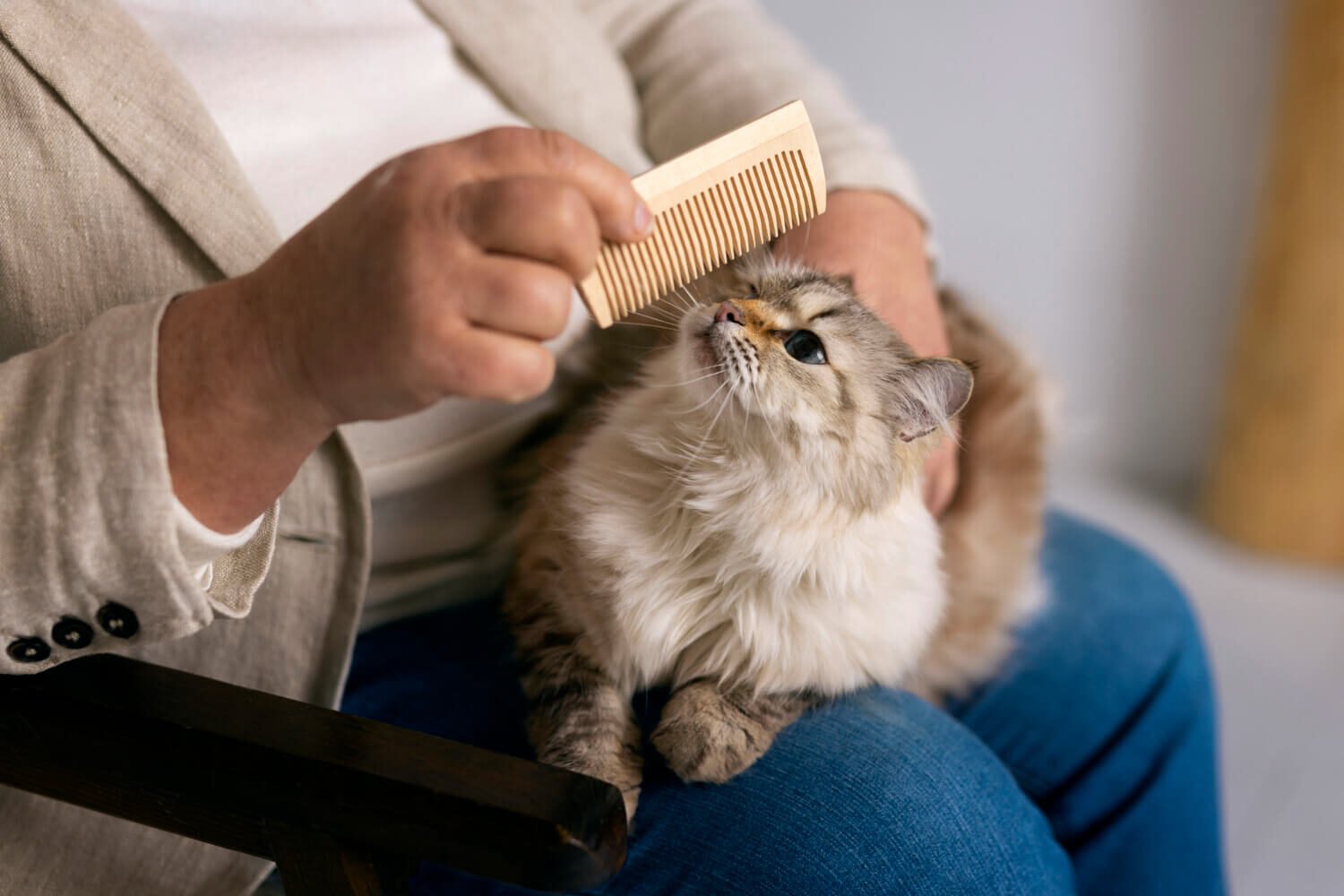
Cat Hygiene Tips Every Feline Owner Should Follow

Keeping your kitten clean and athletic is an essential part of accountable pet partnership. Cats are consistently clean mammals, but they still require counseling and care from their proprietor to claim decent hygiene. Regular consideration to their educating, litter dresses, and overall cleanness can prevent energy issues and guarantee a satisfied, easy life for your cat companion.

Proper kitten cleanliness isn’t just about appearance—it again plays an important part in barring infections, lowering bad odors, and asserting a safe surroundings for two together your kitten and your household. Even household cats, the one power that appears less unprotected to dirt, benefit from routine cleanliness practices.

By understanding and following fundamental kitten cleanliness tips, owners can hold their pets athletic, wealthy, and stress-free. These natural yet persuasive practices help hearten the bond between you and your fuzzy companion while promoting a cleaner, more hygienic home.

What is Cat Hygiene and Why Does it Matters?

Cat hygiene refers to the practices and routines that help keep a cat clean, healthy, and free from parasites or infections. While cats are naturally meticulous groomers, relying solely on their instincts isn’t always enough. Proper hygiene involves regular grooming, maintaining a clean litter box, monitoring dental health, and addressing any skin or coat issues promptly.

Maintaining good cat hygiene is crucial for both the cat’s well-being and the household environment. Poor hygiene can lead to health problems such as urinary tract infections, skin irritations, dental disease, and even behavioral issues. It can also result in unpleasant odors and an increased risk of parasites like fleas or ticks.

By prioritizing cat hygiene, owners not only support their pet’s physical health but also contribute to their mental comfort and overall happiness. A clean, well-groomed cat is often a calmer, more affectionate, and socially comfortable companion.

Related Blog: A Complete Guide to Maintaining Your Pet’s Hygiene at Home

Common Consequences of Poor Hygiene in Cats

Neglecting your cat’s hygiene can lead to a range of health and behavioral problems. Even though cats groom themselves regularly, they may miss areas or struggle with certain conditions, especially as they age or if they are overweight. Poor hygiene can affect your cat’s overall well-being and may require veterinary attention if left unaddressed.

Here are some common consequences of poor hygiene in cats:

  • Skin Infections and Irritations: Accumulation of dirt, oils, or unkempt fur can cause rashes, hot spots, or bacterial infections.
  • Matting and Hairballs: Neglected grooming can lead to tangled fur, mats, and increased hairball formation, which may cause digestive problems.
  • Parasite Infestations: Fleas, ticks, and mites thrive in unclean fur, leading to itching, discomfort, and potential disease transmission.
  • Dental Problems: Poor oral hygiene can result in plaque buildup, gum disease, bad breath, and tooth loss.
  • Urinary and Litter Box Issues: Dirty litter boxes or unclean genital areas can contribute to urinary tract infections and litter box avoidance.
  • Unpleasant Odors: Lack of grooming can cause a strong, unpleasant smell from the fur, mouth, or litter box.
  • Behavioral Stress: Cats may become anxious, withdrawn, or display aggressive behavior due to discomfort from poor hygiene.

Maintaining consistent hygiene routines helps prevent these issues, ensuring your cat stays healthy, comfortable, and happy.

Daily Hygiene Habits for Cats

Maintaining daily hygiene for your cat is essential to keep them healthy, comfortable, and happy. Even though cats are naturally good at grooming themselves, daily attention from their owners can prevent health issues, reduce odor, and strengthen the bond between you and your pet. Simple daily habits can make a big difference in a cat’s overall well-being.

Here are some daily hygiene habits for cats:

1. Brushing the Fur

Regular brushing helps remove loose hair, prevent matting, and reduce hairballs. Short-haired cats may need a quick daily brush, while long-haired breeds require more frequent attention to avoid tangles. Brushing also stimulates blood circulation and allows you to check for parasites or skin issues.

2. Cleaning the Litter Box

A clean litter box is crucial for preventing infections and maintaining your cat’s comfort. Scoop waste at least once a day and replace litter regularly. Cats are sensitive to odors, and a dirty litter box can lead to avoidance or inappropriate elimination elsewhere in the home.

3. Checking Eyes and Ears

Daily inspection of your cat’s eyes and ears helps catch infections early. Wipe away discharge gently with a damp cloth and watch for redness, swelling, or unusual odor, which may indicate a problem requiring veterinary care.

4. Dental Care

While brushing your cat’s teeth daily may be challenging, wiping their gums or providing dental treats can help reduce plaque and maintain oral hygiene. Healthy teeth prevent bad breath, gum disease, and other systemic health issues.

5. Monitoring Skin and Coat

Check your cat’s skin for redness, bumps, or parasites while grooming. Healthy skin and a shiny coat are signs of overall well-being. Early detection of abnormalities can prevent infections or allergic reactions from worsening.

6. Keeping Claws Trimmed

Daily or frequent monitoring of your cat’s claws helps prevent overgrowth, injuries, or damage to furniture. Use a proper cat nail trimmer and trim carefully to avoid cutting the quick.

Consistently practicing these daily hygiene habits ensures your cat stays healthy, comfortable, and free from preventable illnesses, while also strengthening the bond you share.

Essential Cat Hygiene Products

Maintaining proper cat hygiene requires the right tools and products. While cats naturally groom themselves, having essential hygiene items makes it easier to keep them clean, healthy, and comfortable. Using appropriate products also helps prevent infections, skin issues, and unpleasant odors, making your cat’s daily care routine more effective.

Here are some essential cat hygiene products every owner should have:

1. Cat Brush or Comb:
Helps remove loose hair, prevent mats, and reduce hairballs. Choose a brush suitable for your cat’s coat length and type.

2. Cat Shampoo and Wipes:
Gentle, cat-specific shampoos and grooming wipes help keep the coat clean and fresh without irritating sensitive skin.

3. Litter Box and Litter:
A high-quality litter box and odor-absorbing litter are essential for maintaining a clean environment and encouraging proper elimination habits.

4. Nail Clippers:
Specialized cat nail clippers help trim claws safely and prevent overgrowth or injuries to both the cat and household furniture.

5. Ear Cleaning Solution:
Cat-safe ear cleaning solutions and cotton pads help remove wax and debris, preventing infections and discomfort.

6. Toothbrush and Dental Products:
Cat toothbrushes, dental gels, or treats help maintain oral hygiene, reduce plaque, and prevent bad breath.

7. Flea and Tick Treatments:
Regular use of veterinary-recommended flea and tick control products prevents infestations and related health issues.

8. Grooming Gloves (Optional):
Useful for cats that dislike traditional brushes, grooming gloves remove loose hair while providing a gentle massage.

Using these products consistently ensures that your cat stays clean, healthy, and comfortable while making grooming easier and stress-free for both you and your feline companion.

Related Blog: Top 10 Pet Hygiene Products Every Pet Parent Needs

Common Cat Hygiene Mistakes to Avoid

Even the most well-intentioned cat owners can make mistakes when it comes to hygiene. Overlooking certain practices or using inappropriate products can lead to health problems, stress, or behavioral issues in cats. Being aware of common mistakes helps owners maintain a safe and effective hygiene routine for their feline companions.

Here are some common cat hygiene mistakes to avoid:

1. Neglecting Regular Brushing:
Skipping grooming sessions can lead to matting, hairballs, and skin irritations, especially in long-haired cats.

2. Using Human Products:
Shampoos, soaps, or toothpaste meant for humans can irritate a cat’s sensitive skin or be toxic if ingested. Always use cat-specific products.

3. Infrequent Litter Box Cleaning:
A dirty litter box can cause infections, litter box avoidance, and unpleasant odors in your home. Daily scooping is essential.

4. Over-Bathing:
Bathing cats too often can strip natural oils from their skin, leading to dryness, irritation, and a dull coat. Most cats only need occasional baths.

5. Ignoring Dental Care:
Failing to address oral hygiene can result in plaque buildup, gum disease, bad breath, and even systemic health issues.

6. Skipping Ear and Eye Checks:
Not regularly inspecting or cleaning ears and eyes can allow infections or irritations to go unnoticed until they worsen.

7. Trimming Claws Improperly:
Cutting too deep or irregularly can cause pain, bleeding, or infections. Use proper cat nail trimmers and follow safe techniques.

8. Ignoring Parasite Prevention:
Not using flea, tick, or worm treatments can lead to infestations, skin problems, and diseases that affect both the cat and humans in the household.

Avoiding these mistakes helps ensure your cat stays healthy, comfortable, and stress-free while maintaining a clean and safe home environment.

FAQs About Cat Hygiene

Many cat owners have questions about maintaining proper hygiene for their feline companions. Here are answers to some of the most frequently asked questions:

Q1. How do I clean my cat’s ears safely?

Use a cat-safe ear cleaning solution and a soft cotton pad or ball—never use cotton swabs, as they can damage the ear canal. Gently wipe the visible part of the ear to remove wax and debris. If you notice redness, foul odor, or excessive discharge, consult a veterinarian immediately.

Q2. What is the best way to prevent hairballs?

Regular brushing helps remove loose hair before it is ingested, which is key to reducing hairballs. You can also provide hairball-specific treats or diets designed to improve digestion and minimize the formation of hairballs in the stomach.

Q3. How do I reduce cat odor in my home?

Keep the litter box clean by scooping daily and changing litter regularly. Regular grooming, including brushing and occasional bathing, also helps. Ventilation, odor-neutralizing sprays, and washable bedding can further reduce unwanted smells.

Q4. When should I take my cat to a vet for hygiene issues?

Visit a veterinarian if you notice persistent skin irritation, excessive scratching, hair loss, foul odor, unusual discharge from eyes or ears, or difficulty grooming. Early intervention can prevent minor issues from turning into serious health problems.

Q5. How often should I bathe my cat?

Most cats do not need frequent baths, as they groom themselves regularly. Bathing once every 4–6 weeks is usually sufficient unless your cat gets particularly dirty or has a skin condition. Always use cat-specific shampoo and ensure the water is lukewarm.

Conclusion

Proper hygiene is a cornerstone of keeping your cat healthy, happy, and comfortable. While cats naturally groom themselves, regular care from owners—including brushing, dental care, litter box maintenance, and parasite prevention—ensures they remain free from infections, discomfort, and behavioral issues.

By adopting consistent hygiene practices and using the right products, you can prevent common health problems, reduce odors, and strengthen the bond with your feline companion. A clean, well-groomed cat is not only healthier but also more content and affectionate, making daily care a rewarding experience for both pet and owner.

Top 10 Pet Hygiene Products Every Pet Parent Needs

Top 10 Pet Hygiene Products Every Pet Parent Needs

It is a fact of life, pets are cute, but also walking chaos machines. Muddy paws, shedding fur and the mystery smell sometimes makes it like a full-time job to keep them fresh and healthy. However, this is the good news, this does not mean that you have to go to a fancy grooming salon or stock up on wipes to ensure that your pet is clean. The secret is just to have the right hygiene products.

Whether it is a shampoo or a brush, a dental chew or deodorizing spray, the right essentials may be what counts. Not only does these keep your pet clean and comfortable but also helps prevent other health related problems such as infections, odor and skin irritation.

Here, we are going to deconstruct the essential hygiene items that every pet parent must have, answer the question of why they are important, and demonstrate how to select the most suitable ones for your pet.

Importance of Pet Hygiene

Good hygiene does not only mean that you keep your pet photoshop-ready, but it means that you keep them healthy and enjoy a long happy life. Pets like humans can be exposed to hygiene related conditions such as infections, parasites as well as dental diseases when they are not taken care of. It is a healthy pet, just a clean pet.

Proper hygiene is also a way of enabling you to notice the initial signs of a health issue. As an illustration, regular brushing may expose bumps, skin allergy, or ticks before it deteriorates. Keeping your ears, teeth and paws hygienic is a way of preventing the build up of bacteria and preventing discomfort whilst having your pet groomed keeps their coat clean and their mood lifted.

In addition to the health aspect, good hygiene is good in the entire household. A properly kept pet translates to reduced shedding, reduction in allergies and a home that is clean, and fresher smelling. It will be a win-win to you and your furry friend.

Why Pet Hygiene Products Are Essential

Having good hygiene does not just mean keeping your pet Instagram ready but keeping them healthy and living a long and happy life. Pets, as human beings, may develop hygiene-related complications such as infections, parasites, and dental problems when they are not taken care of regularly. I only have a healthy pet, which is a clean pet.

Proper hygiene also assists you to find out early symptoms of health issues. As an example, regular brushing will expose skin allergies, bumps, or ticks when they are not so bad. If you keep your ears, teeth, and paws clean, it helps to prevent the accumulation of bacteria and discomfort, and since your pet is groomed regularly, his coat remains glossy, and his professional attitude improves his mood.

Other than health concerns, good hygiene is an advantage to the whole house. When an animal is well groomed, it will shed less, eliminate allergens and will make the house look and smell cleaner. It is a win-win situation both for you and your furry friend.

Top 10 Pet Hygiene Products

It is important that every pet parent possesses a good hygiene kit – the one that can make your mascot appear clean, healthy and smell great (at least not like a wet towel). The top 10 hygiene items that any responsible pet owners should possess will be listed below.

1. Pet Shampoo & Conditioner

Man heads can even dry up your animal. The pet shampoos also have the pet PH tailored so as to avoid irritation. Fur is made untangled, soft, shiny and easy to brush using conditioners. Use non-paraben, mild, and products prepared using natural ingredients e.g. aloe vera or oatmeal.

2. Grooming Brush or Comb

It is not just on looks as brushing not only cleanses, but sheds and improves the flow of blood. Slicker brush can be used to brush long haired pets and bristle or rubber brush can be used to brush short haired pets. It is also a great bonding moment which your pet will (later on) enjoy.

3. Pet Toothbrush and toothpaste

Much attention is not paid to dental health which is important. To prevent the occurrence of tartar, bad breath and gum infections, enzymatic toothpastes and pet-safe toothbrushes are useful. Brush early enough, so that your pet is used to it.

4. Paw Wipes or Wash

You are touching everything with the paws of your pet, not dirty parks alone but the streets of the city. Cleaners may be given to pets on a soft wipe or paws, so that they can remove dirty and toxic chemicals on the pads. Use them each time you take a walk to keep off infections and clean floors.

5. Nail Clippers or Grinders

Too long nails become painful and pose a joint problem. A pet nail clipper/an electric grinder can be interesting in order to trim them at home. When rewarding your pet, you should always take your time before you can reward.

6. Ear Cleaning Solution

Mostly, bacteria are hiding in ears. Wipe the ear with a recommended ear cleaner to clear the ear of wax and debris. Ear infections and odor can be avoided by cleaning the ear on a regular basis, especially with floppy-eared breeds.

7. Deodorizing Spray/ Dry Shampoo.

Spray on the deodorizing on the days between baths or dust your pet with dry shampoo. Get alcohol-free and cancel-odor natural products instead of masking smell.

8. Dental Chews

The last option is dental chews, which is superior to brushing the pet. They help in teeth cleaning, breath freshening, and reducing the amount of plaque and they all fill their chewing urge.

9. Pet Bedding Cleaner/ Disinfectant Spray.

The source of germs and scents can be the bed of your pet. Clean the bed and maintain a clean and orderly bed once a week with a non-toxic and pet friendly disinfectant or bedding cleaner. Bonus: it will get rid of the fleas and mites.

10. Tear Stain Remover.

Pets which are most likely to have watery eyes or tear marks (mostly white-furred pets) are treated using a tear stain remover. Blot using a clean cloth and gentle motions not to cause irritation.

These ten essentials will eliminate all the relevant hygiene requirements, top-to-tail.

How to Choose the Right Hygiene Products for Your Pet?

It is not always the case that a product that claims to be pet safe is properly suitable for your pet. The selection of proper hygiene items presupposes the knowledge of their breed, type of coat, and their sensitivity levels as what can work with a Labrador may not apply to a Persian cat or a parrot.

The following are some of the things to consider prior to adding anything to your cart:

  • Test Ingredients: Do not use products that contain alcohol, parabens, sulfates and artificial scent. Find hypoallergenic, natural formulas.
  • Take into Account Coat Type: Long-haired ones require detangling shampoos and slicker brushes, whereas short-haired pets enjoy soft bristles and moisturizers.
  • Match the pH Level: It is always better to use products designed to be used by pets, they have different pH in their skin as compared to humans.
  • Vet-Approved Only: Choose those products that are suggested or tested by veterinarians, mostly sensitive pets.
  • Allergy Awareness: Patch test Before applying a new shampoo or wipe, check whether you are allergic.
  • Ease of Usability: Select tools (such as nail grinders) with safety guards or self-cleaning brush, which are easy to clean.

Life with your pet should not be something that causes stress in your life because of the hygiene products. Comfort, safety and quality should always be chosen.

Common Hygiene Mistakes to Avoid

The most affectionate pet owners might accidentally fail in the hygiene routine of their pet. The problem? Certain errors do not have an impact on health or skin immediately – however, in the long run, they can lead to severe problems.

The following are the best hygiene slip-ups that should be avoided:

  • Human Products: Human shampoos and soaps tamper with the pH of the skin of your pet and will cause it to itch or have rashes. Always go with a specific pet.
  • Overbathing: Excessive bathing will deplete the natural oils in your pets leaving them dry and flaky. Keep the optimum bathing schedule of your pet.
  • Lack of Dental Care: Bad breath is not normal, it is an indicator of accumulation of plaque. It should be regularly brushed or given some dental treats.
  • Ignoring the Ears: liquid and wax may lead to infections which are painful when not washed out.
  • Miscutting the Nail: make sure you do not cut too low because you may end up bleeding and maimed- cut in small bits.
  • Contaminated Grooming Supplies: It is possible to have dirty brushes, clippers, and wipes unless they are washed or changed periodically.
  • Failing to Check the Expiry Dates: Expired hygiene products could either lose their effectiveness or become allergic.
  • Missing Routine Cleaning of Toys and Bedding: This is a bacteria habitat- wash them once a week to ensure that there are no germs in your home or your pet.

These are some of the most frequent errors that you can prevent in order to make maintaining the hygiene of your pet safe, efficient, and free of stress.

FAQs About Pet Hygiene Products

They are left with more questions on how to keep your furry friend clean and fresh? Part of the most common questions that pet parents ask can be broken down.

Q1. What type of brush is best for my pet’s fur?

It depends on your pet’s coat. Long-haired breeds require a slicker brush or dematting comb so that they are not tangled. To ensure loose hair and increase the circulation, short haired pets are best suited to a bristle brush or rubber curry comb. Polite brushing should always be against fur growth.

Q2. Can I use human shampoo on my dog or cat?

Absolutely not. Human shampoos are too acidic on the skin of a pet and it may result in skin drying, irritation and itching. When buying pet-specific shampoos, it is always important to select the right one depending on the skin PH of your pet as well as the pet coat. Find alternatives using natural products such as oatmeal or aloe vera.

Q3. How do I dry my pet properly after a bath?

Dry your pet with a soft towel – no tough rubbing. With pets that have long hair, a pet-safe blow dryer with the lowest heat level can be used. You should ensure to dry thoroughly especially between paws and folds to avoid fungus.

Q4. What are the common mistakes to avoid when using pet hygiene products?

Do not use excessive amounts of a product or mix brands or ignore labels. Excessive use leads to accumulation whereas improper blend may aggravate the skin of your pet. It is important to use products in accordance with instructions and store them in a clean dry place.

Q5. When should I consult a vet about pet hygiene issues?

Once your pet begins to show signs of redness, itching, loss of hair, foul odor or excessive licking, take him or her to the vet. This may show allergies, infections, or sensitivity to products which require medical attention.

Conclusion

The hygiene of pets is not a grooming list; it is an investment in the comfort, self-esteem, and overall health of your pet. The appropriate hygiene products ensure that promise is convenient, simple, and efficient. It may be a relaxing shampoo, a high-quality nail clipper, or a cooling deodorizing spray, each one of these products is essential in ensuring that your pet in the fur enjoys (and smells) their best.

Love is action, hygiene at the end of the day. The happiest pet is a clean and healthy one and there is nothing better than cuddling your best friend without any concern at all about dirt or smell. Always invest in quality goods, follow a regular schedule and your pet will return you all those wags, purrs or cuddles.

Pet Hygiene A Complete Guide to Maintaining Your Pet’s Hygiene at Home

A Complete Guide to Maintaining Your Pet’s Hygiene at Home

Need to tell the truth because pets are cute, but they can also be tiny walking mess-factories. And, with muddy paws to shed on your couch, fur to shed, and trails of drool to follow, cleaning them is almost a full-time job. However, the point is as follows: it is not only about keeping your place clean but also about keeping your pet healthy, happy, and comfortable as well.

A clean pet is unlikely to develop skin infection, parasites and tooth problems. In addition, hygiene routines should be performed on a regular basis, which will help them develop a stronger connection and feel loved and safe. Or no – you do not have to pay thousands in a grooming parlor. Here, it is possible to manage most of it at home with a little consistency and a good attitude.

This guide will be divided into all the information you will need to hear; the fundamental rules of keeping pets and the reasons why it is needed, step-by-step instructions on how to do it with dogs, cats, and even smaller pets. We are going into the clean side of pet parenting!

What is Pet Hygiene?

Hygiene of pets is much more than a bath every now and then. It is a complete exercise of keeping your furry (or feathered or scaly) companion healthy, comfortable, and devoid of diseases. Consider it the pet equivalent of self-care, cleaning, grooming, and checking them to make sure they are presentable and better still, feel good.

Fundamentally, pet hygiene encompasses all the things involving dipping in water, brushing, clipping their nails to cleaning their ears, teeth, and even their toys and bedding. It is not solely about the beauty of things, but rather about avoiding health issues before they occur.

All pets (dogs, cats, birds, hamsters) differ in their hygiene requirements depending on the species, type of coat, and lifestyle. Pets that live outdoors should be washed more often and have their parasites checked regularly, indoor pets need their coat maintained and their teeth cleaned regularly. The key? Getting to know the routine of your pet and including hygiene as an extension of it.

Why Hygiene Matters for Both Pet and Owner?

It is clean pets who not only smell better but also live better. Hygiene is directly related to their physical state, emotional state and even the neatness of their homes. By keeping your pet clean, you are keeping it safe, but also yourself and your family at bay, in terms of possible health complications.

This is why hygiene is an absolute in both pets and owners:

  • Averts Skin Issues: Frequent grooming will eliminate dirt, loose hair, and dead skin and decrease the likeliness of rashes, hotspots, or fungi.
  • Rid of Parasites: Clean skin and fur will make it difficult for ticks, fleas and mites to survive.
  • Promotes Oral Health: Your pet will have a clean mouth, fresh breath and no canker in the gum that can cause infection of internal organs.
  • Enhances Comfort and Mood: When a pet is clean and itch free, it is a happy pet. Hygiene increases confidence and eliminates irritability or stress.
  • Minimizes Allergens at Home: Dander and shedding are minimized to reduce human allergy.
  • Keeps Family Healthy: With good pet care, the spread of Zoonotic diseases -infections which may spread between animals and human beings will be avoided.

In brief, every person at home will win in case your pet is clean.

Common Hygiene Issues Pet Owners Overlook

The most doting pet owners are even capable of overlooking some of the hygiene red flags, and such little slip-ups may end up becoming significant issues in the future. The fact is that hygiene is not only about visible dirt, but also about the signs that can be easily missed.

The following are the most typical hygienic problems which owners of pets overlook:

  • Dirty Ears: Ear infection may be caused by blocked ears with cumulated wax, water or dirt – especially in floppy-eared dogs.
  • Unclean Nails: Long nails might be painful, or result in poor posture, or even cause an infection in case they break.
  • Tear Stains & Gunky Eyes: When left uncleaned, there is a risk of irritation or bacteria developing around the eyes.
  • Unclean Bedding or Toys: Germs, parasites, and odors are fond of dirty clothes, hence wash them frequently.
  • Dental Neglect: Bad breath and the accumulation of tartar in the teeth caused by not brushing them is capable of causing oral diseases.
  • Dirty Paws: Pets are known to collect bacteria, allergens, and toxins on walks, it is important to wipe paws after a walk.
  • Poor Brushing: Long haired breeds in particular, get matted, itchy, and infected with skin problems when they are not brushed properly.
  • Incorrect Frequency of Bathing: Excessive or insufficient bathing may cause disruption of the natural oils on the skin resulting in either dryness or greasiness.

By remaining consistent with such minor chores you will be doing yourself a great service in the long run health and happiness of your furry family member.

Tips for Different Types of Pets

A definition of clean is applicable to all of the pets. The health of a dog cannot be compared to any hygiene of a cat – nor can little animals, birds or fish have anything odd with them. The secret of a lot of pet hygiene? Conditions: You must understand what works with your animal, and adjust their routine to that.

The hygiene tips, by type of pet, are described briefly in the following:

For Dogs

  • Frequent Brushing: The short haired breeds are to be brushed once a week and the long haired breeds brushed 3-4 times a week to remove matting.
  • Bathing Schedule: Bathe once in 3-4 weeks using pet friendly shampoo. To prevent dryness of the skin, do not overbath.
  • Paw Cleaning: Clean the paws every time you are on a walk to remove the dirt or ticks or chemicals in the road.
  • Ear Checks: It is important that ears be emptied of anything but those products suggested by the vet; empty them with floppy-eared breeds.
  • Dental Care: Have teeth brushed 2-3 times a week, chew dental gum.
  • Nail Trimming: Nails trimmed biweekly to every 4 weeks so as not to split and cause pain.

Related Blog: Dog Hygiene 101: How to Keep Your Pup Clean and Healthy

For Cats

  • Brushing Routine: Cats with short hair are to be brushed once a week whereas long haired cats are to be brushed twice and at most thrice a week.
  • Litter Box Hygiene: Scoop litter box daily and deep-clean litter box weekly to prevent odor and bacterial build-up.
  • Ear and Eye Care: Wipe with a wet cloth to prevent drainage and redness.
  • Tooth Cleaning: Once a week brush with toothpaste that is not poisonous to cats or give dental treat.
  • Bathing: Bathing Most cats are self-cleaners; only dirty or stinky.

Related Blog: Cat Hygiene Tips Every Feline Owner Should Follow

For Birds

  • Feather Care: Do not pour water into an in-depth water-dish and spray down the birds so they can preen on their own.
  • Cage Cleaning: Wipe the food with disinfectant after washing the cage once in a week.
  • Beak and Nail Trimming: these should be trimmed by a vet when they are too long.

Small Pets (Hamsters, Rabbits, Guinea Pigs, and so on)

  • Bedding Care: Change the bedding on a 2-3 days rotation to prevent the formation of ammonia.
  • Grooming: Trim long haired dogs and check matting or lice.
  • Cage Cleaning: Clean cage/clean water/clean food containers every day.

For Fish

  • Tanks Cleaning: Replace 25 percent tank water weekly.
  • Filter Maintenance: Rinse every now and then, do not wash off any important bacteria.
  • Checks on Temperature and pH: No environmental stresses should be present in terms of temperature and pH.

The golden rule of any species is consistency, no matter which species. A few minutes a day will make your pet healthy – and your house smells a lot better.

Related Blog: Top 10 Pet Hygiene Products Every Pet Parent Needs

Common Hygiene Mistakes to Avoid

The hygiene practices followed by pet parents may also fail, despite the best intentions. Not all of these errors appear harmful, but they may be damaging to your pet, its skin, coat, or health in the long-term perspective. Preventing such slip-ups can save you an excessive number of visits to the vet to your pet a lot of pain.

The following are the most common hygiene errors that should be avoided:

  • On Human Products: Shampoos, soaps and toothpaste designed to suit human beings may cause an irritation on the skin or disrupt the pH balance of the pet. Always use pet-safe products.
  • Overbathing or Underbathing: Bathtaking excessively is washing away natural oils; and doing it too seldom is an invitation to bacteria and odors. Get an ideal balance in the breed and lifestyle of your pet.
  • Omissions of Ears and Teeth: Ears and Teeth are the infection hotspots – and they are the ones that are not attended to. Checks are not negotiable.
  • Missing Nail Trims: The nail is overgrown and the person may suffer pain, misalignment or even injury during playing time.
  • Failure to Clean Toys and Bowls: Bacteria may accumulate on slobbered toys and old foodstuffs – clean them regularly.
  • Poor Dry-Dressing After Baths: You should not leave your pet wet or it may develop fungi infection, and more so during wet seasons.
  • Neglecting the Paws: Paws are in contact with everything, and it is better to keep them clean after walking outside and avoid contact with infections and keep your house clean.
  • No Routine Checkups: Hygiene is not only about the grooming, but also the observation of the changes in the smell, fur, or even behavior, which can be the indication of health problems.

Minor changes in your personal care routine would go a long way in ensuring the comfort and life of your pet.

FAQs About Pet’s Hygiene

It may feel like a daunting task to keep your pet tidy when you are just starting to do so – not to mention all the opposing advice you find online. We will make it easier by providing some quick, professional-approved answers to the most frequently asked hygiene questions by every pet parent.

Q1. What is the proper way to trim my pet’s nails at home?

Begin cautiously and apply a pet nail clipper and not a human. Cut only the tip – this may also be done when you are not present as it will bleed and be painful to cut it into the quick (the pink part of the nail). In the case of dark nails, cut them in small sections. In case your pet is scared, go and file it or have a groomer demonstrate to you the correct procedure once.

Q2. How can I safely clean my pet’s ears?

Take a recommended ear cleaning solution by the veterinarian and a soft cotton ball or gauze. Wipe the outer ear carefully – never put anything deep down the ear-trail. Wash once every week to floppy-eared breeds or when the dirt is visible. When you smell something foul or drainage, then it is time to visit the vet.

Q3. What is the best way to brush my pet’s coat?

Apply a brush that best fits your pet’s coat type: long haired dogs -slicker brush, short haired dogs -bristle brush. apply brush with the direction of the growth of the hair, starting at the back of the head and proceeding forward. Frequent brushing (at least 23 times per week) facilitates shedding and increases circulation.

Q4. How often should I brush my pet’s teeth?

Preferably, every day, however, even 23 times a week of brushing is long. Apply pet toothpaste (do not use humans) and a soft-bristled brush. Cleaning in-between with dental toys or dental treats.

Q5. How often should I bathe my dog or cat at home?

In the case of dogs, every 34 weeks is ideal unless it rolls in something stinky. Cats tend to wash themselves, and thus, should be bathed only in case of necessity (sticky, dirty, shedding too much). Always apply the lukewarm water and a shampoo that is pet friendly.

Conclusion

Pets need to be kept clean not only to have a cute picture on Instagram, but it is also a way of loving, caring, and responsibility. It is good hygiene separating your pet and a heap of possible health problems. Brushing and bathes, trimming and cleaning, all those little things will be a better companion (and a cleaner house to you).

The key is consistency. Wash your hands as a habit rather than a task. Check on your pet, learn what it requires and establish a rhythm that works out between you. Believe us, your pet will talk it all with his shiny coat, fresh breathing and tail waving.

Top 10 Common Cat Skin Diseases and Their Symptoms

Top 10 Common Cat Skin Diseases and Their Symptoms

Cats are characterized as graceful, smooth and self-grooming. However, even the most careful cat may have skin issues that impact health and comfort. Skin diseases in cats may include mild to severe infections, and they may be caused by a variety of factors that may need immediate treatment.

Every cat parent should know the following conditions. Early detection can not only help avoid discomfort, but also prevent minor problems from becoming serious medical problems. Here in this blog, we will discuss the most prevalent diseases of the cat skin, symptoms of these diseases, causes of these diseases and how you can make the furry friend in your house happy and healthy.

What are Cat Skin Diseases?

The diseases that affect your feline are those diseases that affect the outermost surface of the body the skin, the hair and even the tissues underneath the hair, these are called cat skin diseases. Since the skin of a cat is the first line of defense against infections, parasites, and injuries, any issue in this field can easily lead to an unenjoyable experience or result in serious health issues in the nearest future.

These can be in form of rashes, hair loss, itchiness, reddening, bumps, scabs or sores. Some of them are mild and temporary, however, some of them may be the symptoms of other more serious conditions, allergies, fungi, immune illnesses etc.

The first thing that you need to do to keep your cat coat soft, shiny and healthy is to learn what these diseases are and how they happen.

Common Cat Skin Diseases and Their Symptoms

Cats are susceptible to different skin diseases including simple irritations as well as severe infections. Diseases vary in causes, symptoms and treatment requirements. Early diagnosis may be all that it takes to keep your cat in the comfort zone and avoid complications.

In this section, we will discuss 10 of the most frequent cat skin diseases – what they are, their causes, the symptoms which indicate them, and their treatment or management.

1. Ringworm (Dermatophytosis):

Ringworm infection is a fungus that infects the skin of a cat, its hair and in some cases nails. It is not caused by a worm but by fungi (dermatophytes).

Cause:

Ringworm is transmitted by direct contact with infected animals or on contaminated surfaces such as bedding, grooming equipment or furniture. It is more likely to be found in the cats with weaker immune systems.

Key Symptoms:

  • Circular bald patches with red, scaly edges
  • Fractured or fissured hair near lesions.
  • Itchy skin, which is not necessarily serious.
  • In some cases, a crusty appearance on affected areas

Prevention or Treatment:

It can be treated by antifungal creams, antifungal shampoos, or an antifungal medication prescribed by an animal doctor. Maintaining the environment of your cat and disinfecting grooming materials will prevent reinfection.

2. Feline Acne:

Cat acne is a small blackhead which normally occurs in the chin or lips of a cat, and may turn into pimples or inflamed sores without treatment. Although this might sound petty, extreme cases are painful, and result in secondary infections.

Cause:

This disorder is usually brought about by over-production of oil, improper grooming, stress or an allergy to plastic food bowls. It is sometimes associated with latent sensitivity of the skin or hormonal modifications.

Key Symptoms:

  • Blackheads or tiny dark spots on the chin
  • Swelling of affected areas and redness, mild swelling.
  • Severe cases have crusty or oozing lesions.
  • Itching or pawing at the chin

Prevention or Treatment:

Feline acne can be managed this way by switching to either stainless steel or ceramic bowls, keeping it very clean, and applying topical treatments prescribed by the vet. Oral medication may be needed in recalcitrant cases.

3. Flea Allergy Dermatitis (FAD):

Flea Allergy Dermatitis belongs to the list of most frequent and highly itchy skin issues in cats. The fleas do not make you have the severe reaction, but your cat has an overreacting reaction to saliva of the fleas. In the case of a cat with FAD, even the bite of one flea can cause a raging itch that rapidly turns into a skin issue.

Cause:

FAD is hypersensitivity (allergy) to proteins in the saliva of fleas. Cats can take a bite with very little irritation; cats who have FAD get very inflamed and are much more likely to scratch, bite, and groom until the skin is raw. FAD can also infect indoor cats–fleas can take a ride on clothing, other pets or visitors.

Key Symptoms:

  • Intense, persistent itching (often the first clue).
  • Little, red, crusty spots; occasionally hard lumps (papules).
  • Raw or dark dense skin of chronic scratching, self-inflicted sores.
  • Secondary bacterial or yeast infections (pus, foul odor, pus-y crusts).
  • Fleas or flea dirt (black specks the size of a period which redden when damp).

Prevention or Treatment:

The first thing to do is to accept the ugly truth: You might not see fleas; but you should clean up the indoors, clean the bedding, treat the pets in your house, and check the environment, such as vacuuming the carpets and washing the bedding. Long-term care revolves around a recommended, cat-safe, flea protection product (topical or oral) which is applied all year round in most climates and is suggested by the veterinarian.

4. Mange (Feline Scabies):

Feline scabies or mange is an extremely uncomfortable skin condition that is caused by tiny mites that dig into the cat. Although cats are unlikely to be affected as much as dogs, cats may experience severe itching and irritation and it can be widespread.

Cause:

Direct contact with infected animals causes the disease by the Notoedres cati mite. These mites cause irritation to the skin, which results in excessive scratching and biting, which result in secondary infections.

Key Symptoms:

  • Extreme itching and scratching, especially around the ears, neck, and face
  • Thickened and rough skin which can be yellow or gray.
  • Hair loss in affected areas
  • Restlessness or agitation due to constant discomfort
  • In severe cases, sores and secondary infections.

Prevention or Treatment:

The mites are killed with medication prescribed by a veterinarian in the form of medicated dips, topical ointments, or oral medications. The living areas, bedding and grooming equipment should be cleaned to avoid re-infection. Check-ups should be done regularly because mange may look like other diseases of the skin.

5. Ear Mites (Otodectic Mange):

Ear mites are tiny creatures that live in Ear ducts of cats that ingest cat skin debris and lead to acute irritation. They are small yet they produce far more than a small effect, they make the head shake and even trigger an ear infection in case they go untreated.

Cause:

The ear mites multiply quickly: through direct contact with sick animals or in bedding. Outdoor cats, kittens and those with more than one pet are especially susceptible.

Key Symptoms:

  • Frequent scratching at ears and head
  • Constant nodding or tilting of the head.
  • Dark, crumbly, coffee-ground-like discharge.
  • Blood, inflammation, or pus in the ears.
  • Scabs and hair loss around the ears from excessive scratching

Prevention or Treatment:

An ear test can assist a veterinarian in the diagnosis of ear mites and medicated ear drops or topical therapy. The prevention of reinfestation is through maintenance of clean ears, isolation of the infected animals during treatment and disinfection of bedding and places of residence.

6. Allergic Dermatitis:

This allergic Dermatitis is caused when the immune system of a cat becomes sensitive to the harmless substances that a cat is normally exposed to like pollen, dust, mould, chemicals used in cleaning and even food fed to a cat. It is an allergy and it results in skin inflammation, itchiness, and swelling of various parts of the body.

Cause:

Examples of typical triggers include environmental allergens (dust mites, pollen), bites of fleas, certain clothing, cleaning products and food items (chicken, fish or grains). In other situations it is a combination of various triggers and the exact cause is hard to establish.

Key Symptoms:

  • Licking, chewing or scratching skin.
  • Bloodshot spots (they can be on the face, paws, belly or ears)
  • Redness of the hair and/or loss or thinning.
  • Dry, flaky skin or small scabs
  • Secondary infections due to excessive grooming

Prevention or Treatment:

Removal of the allergen should be identified- this can be achieved by trials on a diet, substitution of the food with hypoallergenic food or substitution of cleaning products. The vets may prescribe antihistamines, corticosteroids or medicated shampoos to help control the itching and inflammation. The number of flare-ups is also minimized by flea control and frequent grooming.

7. Abscesses:

Abscesses are lumps, which are filled with a pus and are found underneath the skin of a cat, most of the time, they are due to bacterial infections. They can also develop following cat fights or injuries, in which case bacteria penetrate a puncture wound and form a painful pocket of infection.

Cause:

Bacteria that are brought in by bites, scratches or deep cut wounds is the leading cause. Cats that roam outside, or those which enter contact with other animals, are more at risk as a result of territory conflicts and fights.

Key Symptoms:

  • Lump under the skin that is painful and usually hot to touch.
  • Redness or hair loss around the affected area
  • oozing of pus or stinking discharge in the event of abscess rupture.
  • Fever, lethargy, or loss of appetite in severe cases

Prevention or Treatment:

Therapy includes removal of the abscess, wound debridement, and antibiotic prescription to contain infection. Cats can also be put on painkillers and a temporary protective collar to avoid scratching. By keeping cats inside and not fighting they are much less likely to get an abscess.

8. Bacterial Skin Infections (Pyoderma):

Pyoderma or bacterial skin infection is a condition resulting in inflammation and pain in the skin caused by bacterial invasion of damaged or irritated skin. The infections are generally secondary, that is, they occur due to the presence of another underlying condition such as allergies, fleas, and wounds.

Cause:

Bacteria can enter the skin and grow with any disruption of the skin, whether due to scratching or biting or underlying skin disease. The risk is increased by poor grooming, deficient immunity or untreated skin conditions.

Key Symptoms:

  • Inflamed, reddish, or reddish red areas of the skin.
  • Pustules (little bumps full of pus) or oozing lesions.
  • Hairy crusty, scabby places.
  • Foul odor in severe infections
  • Pain or an itch when touched.

Prevention or Treatment:

A veterinarian typically prescribes topical or oral antibiotics and medicated shampoos to treat the condition and soothe the irritation. To prevent recurrent infections, it is important to treat the underlying cause be it fleas, allergy, or injury. Another reason that helps to keep bacterial problems away is poor hygiene and ungrooming.

9. Fungal Skin Infections (Other than Ringworm):

Although ringworm is the most commonly known fungal infection in cats, the fungi may also infect the skin of cats through other types, including sporotrichosis. These are less frequent infections that can be severe causing sores, lesions, and even systemic disease in the absence of treatment.

Cause:

The cats may be infected with fungi in cuts or wounds left in fungal spores on the soil, decomposed vegetation or on contaminated surfaces. Outdoor cats especially those which frequent wet or forested regions are more at risk.

Key Symptoms:

  • Hard, swollen nodules or skin sores.
  • Lesions which can ulcerate and ooze.
  • Crusty or scabby skin, often around wounds
  • Revolution or erythema of the areas affected.
  • In some extreme cases, infection can spread to lymph nodes or any other organ.

Prevention or Treatment:

Antifungal drugs are used to treat it; they could be topical or oral, or both, depending on the severity. The diagnosis is essential at an early stage because certain fungi can be transmitted to humans (zoonotic). Regular wound care and exposure to risky outdoor settings is minimized in order to reduce exposure.

10. Hormonal or Endocrine Skin Disorders:

Other issues with the skin in cats are not due to infection or parasites but rather a result of hormonal disbalances. Diseases such as hyperthyroidism, diabetes, or Cushing disease may impair the normal skin and coat health causing them to have noticeable changes with time.

Cause:

These are conditions that arise when hormone levels are disproportional (i.e. thyroid, cortisol or insulin) and they influence the turnover of skin cells, oil production, and the general capacity of the immune system. Chronic illnesses, age and genetics usually play a role.

Key Symptoms:

  • Loss of hair, which is thin or patchy without apparent itching.
  • Dull, dry, or greasy coat texture
  • Darkened or hardened skin in long term cases.
  • Delayed healing of the sores or risk of getting the second infection.
  • Others such as weight loss, thirsty or tiredness (with underlying condition)

Prevention or Treatment:

It is important to treat the underlying hormonal imbalance. This can include medicine to control thyroid activity, insulin to control diabetes or any other hormone-modulating treatment. Long-term management is provided by nutrition, frequent visits to the veterinary clinic, and regular observation of skin changes.

Related Blog: Top Cat Diseases Every Pet Parent Should Know

Preventive Measures for Cat Skin Problems

Any skin ailment is indefinitely simple to avoid compared to correcting it once it has affected us. Even though prevention is not possible in all cases, timely treatment and early response will prevent your cat cat coat from being hard, dry, and irritable.

Some of these prevention tips include:

  • Bathing regularly – Bathing and brushing off removes the dirt, loose hair and potential irritants, and also provides you with a chance to observe the initial signs of trouble.
  • Consistent Flea and Parasite Treatment – Use annual flea/mite treatment products recommended by the veterinarian to avoid fleas, mites, and ticks.
  • Balanced Diet and Hydration – A healthy diet gives the body nutrients and also helps to boost immunity against allergies and infections.
  • Clean Environment – Bedding, litter boxes, and floors should be cleaned regularly to help minimize exposure to irritants and pathogens.
  • Early Treatment of Minor Skin Conditions – Early treatment of a scratch, dryness, and minor rashes will prevent the occurrence of an infection.
  • Frequent Veterinary Check-ups – You can do some of these by scheduling frequent check-ups so you discover the underlying problems like hormone or immune disorders before they worsen.

When to Seek Veterinary Help?

There are cases of skin issues which can be treated at home, and there are those which need urgent treatment by a professional to prevent deterioration of the situation. Early treatment not only relieves the situation but may also help avoid secondary infections and permanent skin damage.

You will need to visit a veterinarian when you observe:

  • Scratching, licking, or chewing that continues over a period of more than a few days.
  • Sudden or excessive hair loss in patches or over large areas
  • Open sores, bleeding, or pus-filled lesions
  • Powerful smell on the skin or ears.
  • Hardened, scaly, or pale spots of the skin.
  • Behavioral changes like restlessness, aggression, or loss of appetite
  • Pain or discomfort felt on touching the skin.
  • Home treatment of recurring skin problems.

FAQs About Cat Skin Diseases

Even the most watchful cat people have their questions about skin problems. The following are some frequently asked questions answered in plain, vet-informed terms.

Q1. What does ringworm look like on a cat?

Ringworm is commonly characterized by bald spots in circles having red and scaly edges. The skin can be dry and scaly and there are small crusty spots that develop in some instances. You should get it verified by a vet since other conditions might resemble it.

Q2. What are the signs of ear mites in cats?

Also, cats that have ear mites shake their heads, scratch the ear, and produce a dark crumbly discharge that resembles coffee grounds. In more severe cases, redness, swelling, and foul odor can also develop.

Q3. What is feline acne and how is it treated?

Feline acne appears in the form of blackheads or small dark dots on the chin and can evolve to form pimples or sores. Therapy involves cleaning the area using products that are approved by the veterinarian, replacement of non-plastic bowls, and in extreme situations, with prescribed medication.

Q4. Can food allergies cause skin problems in cats?

Yes. It can cause food allergies with itching, redness and loss of hair, usually around the face, ears and belly. Vets can prescribe an elimination diet to determine triggers and change your cat to a special or hypoallergenic diet.

Q5. Can I treat my cat’s skin disease at home?

Slight irritations can be removed through better grooming or cleaning, but the majority of skin disorders require the diagnosis and treatment of a vet. Cats should not be allowed to use over-the-counter or human medications as this may be dangerous to them, therefore, consult a professional first.

Conclusion

The skin of your cat is not the simple fur–a reflection of his health status. Skin issues can be unpleasant, and when ignored, can result in severe problems, whether due to fungal infections or allergies. Early detection, prevention and prompt veterinary attention can go a long way in ensuring your pussy cat is a happy and healthy creature.

It takes a bit of care, frequent grooming, and making sure that you pay attention so that your cat can still boast of having a shiny, soft coat–more importantly, leading a comfortable, itch-free life.

Top 10 Cat Diseases Every Pet Parent Should Know

Top 10 Cat Diseases Every Pet Parent Should Know

Cats are inquisitive, playful, and affectionate companions but similar to humans, they too may be having health problems which may influence their wellbeing in general. Being a pet parent, it is important to be aware of the most frequent diseases in cats so that you can notice the early signs of an issue, offer the needed care and make sure your feline friend will have a long and healthy life.

This blog will discuss the 10 most common cat diseases every pet owner needs to know and be aware of, their symptoms and how they can keep their furry friend free of these diseases.

Why Cat Health Awareness Matters?

The job of being a cat caretaker is not only to feed them or cuddle them, but also to learn about the possible health threats and learn to handle them. Several diseases in cats are silent and manifest only at an advanced stage of the disease. With the right treatment, early detection can help the treatment process become more effective and enhance the quality of life of your cats.

Furthermore, other pets or in extreme situations, humans, can also be infected by some of these cat diseases. This renders routine check-ups of the vet and the prevention of health crucial to the safety of your whole home.

Top 10 Cat Diseases and Their Symptoms

Cats have a great share in diseases as well as human beings. Some are a bit uncomfortable, others are life threatening unless they are resolved quickly. To get to know more about these diseases, their causes, symptoms, and treatment alternatives could be helpful to owners of pets to take more appropriate care of their cat and improve its quality of life.

Early diagnosis is of paramount importance since cats are super pains or disease carriers. The illness may be progressive when even the symptoms are not yet visible. 

The Ten most popular cat diseases which every pet owner should be aware about are as follows:

1. Feline Leukemia Virus (FeLV):

Feline Leukemia Virus (FeLV) is one of the most widespread viral infections causing the weakening of the immunity of the cat making it susceptible to other infections, anemia, and even cancer.

Cause:

FeLV is a retrovirus-controlled infection that is spread by an infected mother in saliva, blood, urine or milk to her kittens. Multi cat household cats or cats that roam are at risk because most of the time they are in contact with other cats.

Key Symptoms:

  • Loss of appetite and progressive weight loss
  • Persistent fever
  • Reduced energy or low activity level.
  • Pale gums indicating anemia
  • Swollen lymph nodes
  • Recurrent ( respiratory or skin based ) infections.

Prevention or Treatment:

Although no specific cure has been identified yet that can be used to treat FeLV, the virus can be managed by offering supportive care to cats to allow them to live long and healthy lives. Greater control and prevention of cats include the vaccination of cats, confinement and isolation of cats, and contact with infected cats.

2. Feline Immunodeficiency Virus (FIV):

Feline Immunodeficiency Virus (FIV) is similar to HIV in humans in that it weaken the immune system, leaving the cat exposed to other diseases.

Cause:

It is most often transmitted through deep bites wounds and exposes outdoor cats and fighters to danger. Transmission can be accomplished by grooming or casual contact, although not very frequently.

Key Symptoms:

  • Gradual weight loss over time
  • Low quality of coat and loss of hair.
  • Repeat infections (mouth, skin, eyes)
  • Fever that comes and goes
  • General weakness and lack of energy 

Prevention or Treatment:

FIV cannot be cured, though, with appropriate care, food, and regular visits to the doctor, cats can also live long and happy lives. Changes in indoor cat keeping reduce the exposure and prevent fights.

3. Feline Infectious Peritonitis (FIP):

Feline Infectious Peritonitis (FIP) is a fatal cat disease; a mutation of the feline coronavirus (FCoV). It can mostly happen in immunosuppressed cats and young cats.

Cause:

Feline coronavirus infects most cats at some point, and a small percentage of cats will contract FIP. Stress, absence of immunity or other underlying diseases can make the virus deadly.

Key Symptoms:

  • Persistent fever
  • Loss of appetite and significant weight loss
  • Swollen abdomen (wet form of FIP)
  • Breathing difficulties
  • Neurological symptoms like lack of coordination (in severe cases)

Prevention or Treatment:

There is no foolproof cure but antiviral medications and supportive therapy have been shown to be effective. The environment should be clean and stress should be avoided as well as the pets taken to the veterinary frequently to reduce the risks.

4. Upper Respiratory Infections (URIs):

Cats develop upper respiratory infection, just like the common cold in humans, which may prove to be serious in case it is not treated.

Cause:

Such infections are brought about by viruses as feline herpesvirus or calicivirus, and sometimes bacteria. They are transmitted by sneezing, saliva or contaminated surfaces.

Key Symptoms:

  • Nose run and sneeze.
  • Watery eyes and eye discharge
  • Loss of appetite due to congestion
  • Fever and lethargy
  • Mouth ulcers in some cases

Prevention or Treatment:

Quick treatment with a veterinarian, proper nutrition, and indoor confinement of your cat when it is sick contribute to healing. Vaccinations help a lot in the resistance of respiratory diseases caused by viruses.

5. Chronic Kidney Disease (CKD):

Chronic Kidney Disease is a long-term disorder in which the kidneys become incapable of appropriately removing waste material, which accumulates toxins in the system.

Cause:

It can arise as a result of ageing, genetics, infections or toxin exposure. Especially at risk are the older cats.

Key Symptoms:

  • Thirst and urinary increase.
  • Loss of appetite and weight
  • Vomiting and bad breath
  • Lethargy and weakness
  • Poor coat quality

Prevention or Treatment:

CKD is incurable but with early diagnosis by visiting the vet regularly, the condition can be managed. It can be slowed down through special diets, fluid therapy and medications and the quality of life can be increased.

6. Diabetes Mellitus:

Diabetes Mellitus is a disease whereby the bodies of the cats are unable to produce and use insulin properly leading to the rise of blood sugar levels.

Cause:

Obesity, lack of physical exercises, and gene predisposition are the most significant risk factors. The elder cats (middle aged and above) are more prone to develop diabetes.

Key Symptoms:

  • Excessive water loss and urine.
  • Noticeable weight loss despite good appetite
  • Low activity and drowsiness.
  • Poor coat quality
  • Sweet or fruity-smelling breath (in severe cases)

Prevention or Treatment:

Risk can be avoided by maintaining the weight, properly feeding and visiting the vet. The insulin therapy, switch of diet and close monitor can enable diabetic cats to live a normal life.

7. Dental Disease:

Dental disease such as gingivitis and periodontal disease is widespread in a cat and can cause severe health problems in the event that they are not treated.

Cause:

Major causes are plaque formation, lack of oral hygiene and diet. The bacteria caused by untreated dental problems can even reach the kidney and heart.

Key Symptoms:

  • Bad breath
  • Salivating and scratching of the gums.
  • Problems with eating and chewing.
  • Swollen or bleeding gums
  • Yellow or brown tartar on teeth

Prevention or Treatment:

The oral health is taken care of by checking the dentists on a regular basis, having professional cleaning of the mouth, and using special diets. Early detection prevents complications and discomfort for your cat.

8. Hyperthyroidism:

Hyperthyroidism is a disease in which the thyroid gland secres too much of the hormone, causing metabolism to go too high and become dangerous.

Cause:

Its precise cause is not yet well known but in most cases benign tumors in the thyroid gland. It mostly affects older cats.

Key Symptoms:

  • Sudden weight loss despite increased appetite.
  • Hyperactivity or restlessness.
  • Vomiting or diarrhea.
  • More thirst and urine.
  • Rapid heart rate.

Prevention or Treatment:

The treatment may be medication, radioactive iodine therapy or abnormal thyroid tissue removal using surgery. The condition can be spotted through regular blood tests.

9. Obesity:

One of the most widespread and avoidable conditions in cats is obesity, which causes diabetes, joint issues, and heart diseases.

Cause:

Primary causes are overfeeding, exercise, and high-calorie diets. Low activity is especially dangerous to the indoor cat.

Key Symptoms:

  • Difficulty Moving around and weight gain.
  • Shortness of breath during light activity
  • Poor energy and diminished activity.
  • Hard to brush some parts.

Prevention or Treatment:

Obesity is controlled with the help of controlled feeding, regular playtime, and weight loss plans as recommended by the vet. To avoid other diseases connected with your cat, it is important to keep it active.

10. Zoonotic Diseases:

Zoonotic diseases are diseases that can be transmitted between cats and human beings including ringworm or toxoplasmosis.

Cause:

Such pathogens are fungi, parasites, and bacteria, which might be transmitted directly or through the release of contaminated environments.

Key Symptoms:

  • Skin lesions or bald patches (for ringworm)
  • Digestive issues like diarrhea (for parasites)
  • Human exposure to toxoplasmosis Flu-like symptoms.

Prevention or Treatment:

Risks are reduced by good hygiene, frequent visits to the vets and parasite control. Early treatment helps your cat and your family too.

Related Blog: Common Cat Skin Diseases and Their Symptoms

How to Prevent Common Cat Diseases?

Prevention is always better than cure and so is the case with the health of your feline friend. You will be able to significantly reduce the risk of most diseases with an active lifestyle and give your cat much healthier, happier, and long life.

These are some of the preventive strategies that work well:

  • Routine Veterinary Check-ups – regular check-ups where ailments are picked at the initial stages by taking check-ups once a year or twice a year.
  • Vaccines – Appropriate vaccines are viral infections like FeLV and FIV.
  • Proper Nutrition – A balanced diet supports immunity and overall health.
  • Dental Care – Gum disease and other oral infection can be prevented by means of regular dental cleaning.
  • Indoor Living and Hygiene – A smaller exposure to threatening things outdoors and a clean environment will lower the risks of infections and parasites.
  • Weight Management – Healthy weight averts diabetes, joint issues and heart issues.
  • Parasite Control – Routine deworming and flea/tick prevention protect against zoonotic diseases.

When to See a Veterinarian?

Cats are masters at concealing pain and it is therefore difficult to tell when an animal is in a bad way. However, early veterinary attention can be of paramount importance in the prevention of complications and management of diseases. Being aware of the red flags will make sure your furry companion receives assistance before it is late.

These are some of the most important occasions when a visit to a vet is necessary:

  • Constant Loss of Appetite – The skipping of more than 24 hours of meals is telling.
  • Sudden weight loss or weight gain – The weight of the body can change significantly due to such conditions as diabetes or thyroid issues.
  • Breathing Problems – Wheezing, labored breathing or coughing are problems that should be addressed at once.
  • Litter Box Habits – The need to urinate frequently with or without blood in the urine or constipation may be an indication of kidney or urinary tract problems.
  • Vomiting/Diarrhea – With frequent or accompanied with lethargy, may be because of infection or digestive disorders.
  • Unexplained Lethargy or Weakness – A person suddenly feels tired without any trace of a reason might be a symptom of a disease.
  • Observable Trauma or Bulges, or Skin Problems – Cuts, wounds, swelling or bald areas should be examined immediately.

FAQs About Cat Diseases

Cats make us guess on their health sometimes but the correct answers will make you easier. The following are some of the frequently asked questions by pet parents – all answered in a straightforward and simple manner.

Q1. What is feline leukemia virus (FeLV) and how is it spread?

FeLV is an infectious viral disease that compromises the immune system of a cat leading to susceptibility to infections and some cancers. It is transmitted primarily in saliva, blood or urine, or an infected mother to her kittens. The virus can also be spread by sharing bowls or intimate grooming.

Q2. Are cat colds contagious to other cats?

Yes. URIs are spreading in cats easily by sneezing, nose discharge and by sharing such things as food bowls. Until the sick cats are well, they should be isolated so as not to infect other cats.

Q3. Can I treat common cat illnesses at home?

There are a few underlying problems such as sneezing a bit or changes in behavior under stress that may be enhanced with proper home care. Nonetheless, such severe manifestations as chronic vomiting, weight loss, or breathing difficulties are to be addressed to a veterinarian. Never begin treatment without consulting your vet. 

Q4. What causes chronic kidney disease in cats?

Chronic Kidney Disease (CKD) may be due to the age, heredity, infections, or other toxins. It progresses over time and it is prevalent among the elderly cats. It can be treated by checking in with the vet on a regular basis and early screening.

Q5. What are zoonotic diseases, and can my cat pass them to me?

Zoonotic diseases refer to those that have the potential of cross-infection. Such include toxoplasmosis and ringworm. Parasites, good hygiene and early treatment are used to reduce risks and safeguard your family.

Conclusion

Feeding and playing with a cat is not the end of care, you have to know their health requirements and understand when something is wrong. A significant number of diseases in cats can be controlled or even avoided in case they are detected early, treated properly, and taken to the veterinary regularly.

It is a pet parent, so the solutions are your attention, affection, and proactive attitude as the defense against sickness. Watch any changes, practice preventive measures and always have a vet near by when in doubt. The happier the cat the healthier it is, and that is more years of purrs, cuddles and companionship.

Types of Dog Skin Diseases and Their Treatment Options

Types of Dog Skin Diseases and Their Treatment Options

There are also skin issues that dogs may have as much as humans, except they may be more uncomfortable, health-wise, and unappealing to the eye. The skin is the largest organ in the body and hence any inflammation or infection may easily cause discomfort on the side of your furry friend. Such conditions should be diagnosed and treated within the shortest time possible to make sure that they do not deteriorate and become serious problems.

Being informed of the different skin diseases in dogs, their causes, symptoms, and treatment strategies, the dog owners are in a position to properly treat this sick dog so that it can shun its itching and run about.

What are Dog Skin Diseases?

Dog skin diseases: skin diseases involve either an external manifestation to the skin or follicles or the dermis underlying the skin. They can be due to parasites, allergies, fungus or bacterial infections, hormonal imbalance or something that irritates the environment.

There are skin issues that are minor and temporary, and there are also ones that are chronic in nature or even contagious that will necessitate the need to call a veterinary expert. It is possible to identify early symptoms such as itching, reddening, shiners, or hair loss that help to intervene on time.

Common Types of Dog Skin Diseases

Dog skin disorders can be of any type. Certain ones are seasonal others may be related to diet/parasites or a state of ill health. The 10 most common skin diseases in dogs, their causative factors, symptoms and available treatment are indicated below.

1. Flea Allergy Dermatitis

Cause:

Because of flea bites, more precisely the allergy of the dog to the bites of the fleas.

Key Symptoms:

  • Much scratching and biting of the skin
  • Loss of hair on the bottom of the neck and the bottom of the back
  • inflamed patches
  • Sores or scabs

Prevention or Cure

Frequent anti-flea treatment, medicated shampoos, antihistamines, and environmental control of the flea.

2. Demodectic or Sarcoptic Mange

Cause:

Mites that live off or on the skin.

Key Symptoms:

  • Severe itching
  • Peculiar hair loss
  • Arthritic skin
  • Inflamed spots, erythematous spots

Prevention or Treatment

Medicated dips (oral or topical and mite- killing therapy) and supportive care (immune-boosting therapy).

3. Ringworm (Dermatophytosis)

Cause:

Fungal growth which is contracted through infected animals or surfaces.

Key Symptoms:

  • Spherical alopecia
  • scaly skin
  • Itching, and swelling
  • thinning hair

Prevention or Cure

Antifungal creams, creams, oral drugs, shampoo; clean-up of contaminated sites; Hygiene.

4. Hot Spots (Acute Moist Dermatitis)

Cause:

Bacterial infection due to an excessive amount of licking, scratching, and/or moisture being trapped on skin.

Key Symptoms:

  • wet and swelled spots, times of dyeing, red and purple marks, et cetera
  • Oozing sores
  • This is licked at frequently

Prevention or Cure

Trimming of the surrounding skin and use of topical antibiotics, analgesics, steroidal and healing the cause of the issue.

5. Yeast Infections

Cause:

The excessive growth of yeast allover the skin and this can be observed in ears caverns or wet folds and paws.

Key Symptoms:

  • Strong odor
  • Thickened, Mealy skin
  • Burning, stinging, ache
  • The black skin or the dark pigmented skin has pigmentations of the dark pigmented skin.

Prevention or Cure

Antifungal shampoos, internal fungus input medication treatment, special ear cleaning agent and diet.

6. Atopic Dermatitis (Allergic Dermatitis)

Cause:

Allergens, allergies; mould, pollen, dust, food allergies.

Key Symptoms:

  • Chronic itching
  • burning skin
  • Ear infections
  • The chewing of paws

Preventive/Care

Corticosteroids or immunotherapy, l Antihistamines/medicated baths, corticosteroids or immunotherapy, or immunotherapy.

7. Bacterial infection of Skin

Cause:

Bacteria that enters through wounds, muck skin or any other skin aliments.

Key Symptoms:

  • The imperfect lumps are pustular or lumpy.get the book
  • And the issues rated-lice and ulcers baby-murders
  • The infecting of hair can be felt on the uninfected areas as bald spots.
  • Foul odor

Prevention or cure

Adequate wound dressing, topical/systemic antibiotics and topical shampoos.

8. Seborrhea

Cause:

Hyper secretion of skin oils: could be hereditary and can also be due to other diseases.

Key Symptoms:

  • Dry pity (dandruff)
  • Coat odour
  • swelling and itch

Prevention/Treatment

Shampoo medicines, complementary oral supplement (omega-3 fats) and management of underlying causes.

9. Lick Granuloma

Cause:

Licking furiously because of boredom, anxiousness or irritation.

Key Symptoms:

  • Dull, washed-out, puffy, lesions on legs or feet
  • perpetual licking in one place
  • Open wound or infected wounds

Prevention or Treatment

Exotic treatments, topical medicines, antibiotics, behavioural training and overcoming concerns of stress or anxiety.

10. Hormonal Imbalances (Hypothyroidism, Cushing)

Cause:

Existing hormone disorders which disrupt hormones

Key Symptoms:

  • Balding or Hairloss
  • Dull hair
  • Skin pigmentation Dark
  • Recurring infections

Treatment/Prevention

Vet Diagnosis, hormone therapy and sustained medication to regain balance to the hormone level.

Related Blog: Common Dog Diseases Every Pet Owner Should Know About

Treatment Options for Dog Skin Diseases

Depending upon the condition, any treatment will include:

  • Local treatment: External medication, sprays and ointments
  • Parasite and Tick prevention: spot on solutions, which are orally administrated, preventative or collar
  • Alterations in food: Special or hypoallergenic diets in food allergies
  • Immune support: Foods, herbs and others that support the whole system

When to See a Veterinarian?

Though slight annoyances can be cured with home remedies, a visit to the doctor is necessary in case the symptoms aggravate. Call the vet in case you suspect the following:

  • The continuous scratching or itching
  • Bleeding or inflamed or red skin
  • Patchy hair loss
  • Foul breath or body Osmosis
  • Recurring infections
  • Symptoms of pain or behavioural changes

FAQs About Dog Skin Diseases

Q1. Are dog skin diseases contagious to humans or other pets?

Some of them, like ringworm and mange, are in their capacity to infect the human and other kinds of animals. Others it is not contagious e.g. allergies. Early hygiene and intervention inhibits the spread.

Q2. What causes skin problems in dogs?

Common parasites, allergies, infections, hormonal imbalances and environmental trigger are common triggers. In other instances, underlying medical conditions are the best worseners of skin conditions.

Q3. What are the symptoms of ringworm in dogs?

The culprit of ringworm is usually a circular bald patch of scaly and red bare skin as well as brittle hair. It is also easily transmitted and therefore early treatment should be sought.

Q4. How can I prevent skin diseases in my dog?

The most prudent step would involve frequent brushing, flea/tick prevention products, diet and taking them to the doctor when they need it. It also assists to maintain your dog environment free.

Q5. Is yeast infection in dogs serious?

This is the case since untreated yeast infections develop to be chronic and painful. They can be aptly controlled with an appropriate antifungal medication and treatment.

Conclusion

Skin diseases in dogs are more common than most dog owners would assume and they can greatly affect the comfort of your dog, his mood, and health in general. Skin conditions can be a mild type of itching and dandruff or on the severe side such as mange, yeast or hormonal problems; whatever it is should not be neglected. Initial symptoms should not be overlooked and should be addressed in time as they can boost recovery chances in your pet dog considerably. A condition that begins by small spots of red or hair loss has a potential of degenerating into painful sore or repeated noses in the event it is not treated. Extrapolating on these causes- parasites, allergies, or infection- you can be more prepared to ensure your furry friends do not suffer unnecessarily.

The good news is that the majority of issues that dogs have with their skin can be prevented or remedied with ongoing treatment. Regular baths, maintaining a clean atmosphere, maintaining flea/ tick supplements and maintaining a balanced diet, rich in nutrients can work like magic to keep the skin healthy. Regular veterinarians visit also help in the identification of unidentified issues at an early stage before they can take root and become serious issues. When you stay alert and are quick to act, you not only cure your dog but ensure him or her safety, joy, and love. A healthy skin does not only denote physical well-being of your dog, but it is also a major determinant of the quality of life that it enjoys.