
 Petopia
Pets might not talk the way we do, but they are always communicating with us. Like, from a wagging tail and perked ears, to a slow blink or a change in posture, dogs and cats sort of “talk” using body language as their main method of showing feelings, needs, and intentions.
Both dogs and cats use a sort of blend, tail swishes with ear placement facial cues eye contact, body stance, and vocalizations. If you stay paying attention to what each part means, you can understand your pet’s mood way sooner, then respond in a way that truly supports their feelings and physical coziness.
Why Pet Body Language Matters
Pets can’t exactly speak , yet they are always sending messages through posture, facial expressions, tail movements, ears, and the whole vibe of their behavior. When you get better at reading these clues, it becomes easier for pet parents to react in a way that fits what their pet actually needs, feels, and how safe they seem to be in that moment.
The Science Behind Animal Communication
Dogs and cats depend on non verbal cues quite a bit to sort of show whats going on inside them. They rely on body stance, little sounds they make , facial tells, and even those tiny movements that slip out without thinking, to express emotions like happiness, fear , anxiety, anticipation, or just plain discomfort.
Benefits of Understanding Your Pet’s Signals
When you notice your pet’s body language, day to day interactions usually get smoother. You also become better at supporting both physical needs and emotional comfort.
Strengthens trust – Pets often feel more secure once their signals are understood, and respected.
Improves training success – When you know how your pet reacts, training tends to feel more effective, and it can even become more enjoyable.
Prevents accidents and injuries – Spotting early cues of fear or aggression can help prevent those sudden, unwanted situations.
Supports emotional well-being – Meeting your pet where they are emotionally can lower stress and anxiety pretty fast.
Helps identify health issues early – If posture, movement, or behavior changes, it might sometimes mean there’s an underlying health issue starting to show up.
Why Misreading Signals Can Cause Problems
Not quite reading a pet’s cues properly can end up with, confusion, stress, and yes even real safety issues for both the pet and the owner.
Examples
Assuming all tail wagging means happiness – A tail swish can sometimes point to nervous tension, unclear feelings, or overload, not only simple excitement.
Ignoring signs of stress – Things like lip licking, yawning, slipping into hiding, or refusing direct eye contact might get missed, even though they can hint at that quiet discomfort.
Punishing fear-based behavior – Scolding a scared pet without catching the actual fear underneath can raise anxiety and slowly erode trust.
How Dogs and Cats Communicate Without Words
Dogs and cats kind of “talk” using body signals, facial cues, and vocal sounds too. If you pay attention, the little mix of signals can help pet parents read what their companion is feeling, and then respond in a way that feels safe, and kinda understood, not scary or random.
Body Posture
Usually a pet’s posture gives away the vibe. A relaxed body often means they’re comfortable, secure, and confident. But a stiff posture, crouching, or leaning away… that can point to fear, stress, or just uncertainty.
Tail Movements
Tail movement is like a whole language, by itself really. It can flip from excitement to anxiety pretty fast. Yes, a tail wag might look like happiness, but the speed the height, and how loose or stiff that motion feels can say more about the actual emotional state.
Ear Positions
Ears are great, like really good mood indicators, and they often show attention too. Ears facing forward usually suggests curiosity or engagement. Flattened ears, or pinned-back ears, often show fear, discomfort, or stress.
Facial Expressions
Facial muscle changes are another clue. A loose, relaxed face typically signals comfort. Meanwhile tight muscles, a mouth that’s closed too firmly, or tension around the muzzle can suggest uneasiness, or outright fear, depending on the rest of the body.
H3: Eye Contact and Pupil Changes
The eyes show more than most people expect. Gentle, soft eye contact often means calmness and trust. Still, long staring can be read as a challenge, even if you didn’t plan it. And dilated pupils can point to excitement, fear, stress, or higher arousal, sometimes, all together.
Vocalizations and Their Role
Barks , meows growls , purrs, whines, and other noises help pets kind of talk about needs and moods. But what it means depends a lot on the tone, the volume and the whole situation , not just the sound by itself.
Why Context Matters When Reading Signals
When you understand the context you can avoid little misunderstandings, and you can interpret their behavior more accurately. Sometimes it seems obvious ,but only because you were looking at the bigger scene a second ago.
Five Factors to Consider Before Interpreting Body Language
- Environment – A pet can act pretty differently depending on if they are at home, outside, at the vet, or in some unfamiliar setting
- Recent experiences – Stuff like travel, loud noises, training sessions, or stressful encounters can quietly shift how a pet responds and what they seem to “mean”
- Health status – If a pet is in pain, ill, or just uncomfortable , then their body language might look off, or even unusual in general
- Presence of strangers – When unfamiliar people are around, some pets get nervous, a bit watchful, or strangely more energized than usual
- Other animals nearby – If other pets are close, the whole mood can change, like confidence may rise or drop, stress responses can swing , and overall behavior can look totally different
Understanding Dog Body Language Signals
Dogs communicate quite a bit through their tail, ears, general posture, and also facial movements. Most folks notice the tail first, and honestly that makes sense, but the way it sits and how it moves can hint at different feelings depending on what’s going on around them.
What Different Tail Positions Mean
Table
| Tail Position | Possible Meaning |
|---|---|
| Relaxed | Calm and comfortable |
| High and stiff | Alert or dominant |
| Tucked | Fear or anxiety |
| Fast wagging | Excitement or arousal |
Ear Positions in Dogs
A dog ears can tell you a lot, kind of like the mood is leaking out. When the ears sit naturally, or even kind of forward, it often means curiosity, and that they’re paying attention. On the other hand, ears pushed back , or pinned back, can point toward fear , anxiety, or a more submissive vibe. And if you notice a fast shift in ear position, it’s probably smart to clock it , especially if you also see other body cues moving the same direction.
Reading a Dog’s Eyes and Facial Expressions
Dogs also talk a whole lot with their eyes and face muscles. A soft gaze and a relaxed mouth usually equals comfort and trust. But a hard stare , eyes that look extra wide, or those whites showing can mean stress, worry, or general discomfort. Try watching the whole face at once , not just one tiny detail, because it tends to give a more honest read.
Understanding Dog Posture
A dog posture overall, often tells the story better then any one spot you just look at. If you watch how they carry their body, you can start to figure out, if they are calm, set for play, acting a bit nervous, or if they feel like something is pressing on them, or like they’re being threatened.
Relaxed Posture
A relaxed dog will usually stand, or just hang out in a cozy lounge position, with loose muscles, a tail that sits neutral , and a face that looks gentle, not tense. Most of the time this means they feel secure and okay right now .
Play Bow
A play bow is when a dog drops their front legs, but keeps their rear lifted. It’s a friendly signal , like a quiet “lets go” for games, and you often see it during happy social back and forth with other dogs or even people.
Defensive Posture
When a dog feels cornered or threatened they may shift their weight back, go rigid , and present caution signals , like growling or baring their teeth. This body position is usually about making distance rather then kicking off an actual confrontation.
Aggressive Posture
An aggressive dog may look stiff , lean forward, keep their tail held high, and hold a steady stare. These cues point to a stronger emotional activation and they should be treated seriously, so you can help avoid possible conflict or injury.
Common Dog Communication Signals Owners Miss
Dogs often give out tiny clues of stress, irritation, or uncertainty, long before they ever bark , growl, or fully react. If a pet parent can learn what these early signals look like, they can respond in a calmer way and help keep things from going further downhill.
Lip licking – If they keep licking their lips, again and again even though there’s no food around, that can be a quiet sign of unease or nervousness, and also just general discomfort , in a sort of uneasy little loop.
Yawning – And no, dogs don’t yawn only when they feel sleepy. Regular yawning during specific moments might suggest anxiety, or a small self-soothing gesture to help themselves settle.
Turning away – Sometimes a dog will look off, or swivel the head away. That can work like a soft refusal , a way of steering clear of trouble, and showing they’re not really comfortable with what’s happening.
Whale eye – If you notice the white part of a dog’s eyes, it might be showing fear, stress, or that they’re kinda on edge , particularly when their body seems held too tight, or stiff like super glued.
Raised hackles – Hair that stands up along the back can mean higher arousal, excitement, fear, or uncertainty. It doesn’t automatically equal aggression, but it really should be read along with the bigger picture of everything else they’re doing.
What Does It Mean When a Dog Wags Its Tail?
A wagging tail does not always mean a dog is happy either. Like , the tail might be telling you “something,” but it can mean excitement, yes, or friendliness, sometimes nervousness , also uncertainty, and even heightened alertness. So, to figure out what your dog is really feeling, look at where the tail sits, how fast it moves, and how it shifts along with the rest of the body language and whats going on around.
Understanding Cat Body Language Signals
Cats are often a bit more subtle than dogs, like they do it quietly, but they still communicate all the time through their tails, ears, eyes, posture, and also vocalizations. If you learn to read these little signals, you can understand your cat’s mood, comfort, and needs better, even when nothing else seems “obvious”.
What Different Tail Positions Mean in Cats
A cat’s tail can offer really useful info about how they are feeling in that exact moment. It helps to watch the tail position together with other body language cues, so you can interpret their emotions more accurately, and not miss the small stuff.
Table
| Tail Position | Possible Meaning |
|---|---|
| Upright | Friendly, confident and pretty comfortable around people or other pets, yes. |
| Puffing up | When there’s fear, surprise, or they feel threatened, and they try to look bigger—like, more “big” than before. |
| Wrapped around body | Relaxed, calm, and actually feeling secure in their surroundings |
| Rapid flicking | Irritation, frustration, or overstimulation. They might choose to be left alone , kinda like “please dont touch”. |
Ear Positions in Cats
Cat ears kinda tell you a lot, like what’s going on emotionally, and how safe they feel. When the ears are pointing forward it usually means curiousness, or simple interest. But if the ears are turned to the side, or even pressed flatter against the head, that can be a sign of fear, irritation, or stress , depending on the moment.
Reading a Cat’s Eyes and Facial Expressions
Cats also chat quietly through their eyes, and small face movements. Slow blinking usually reads as trust and even affection, while wide eyes, bigger pupils, or a tight, tense face can mean excitement, fear, or discomfort… it really depends on what’s going on right then.
Understanding Cat Posture
A cat overall posture gives really telling hints about how they are feeling. When you look at the body as one piece, it can be easier to notice if your cat is calm, inquisitive, uneasy, or getting ready to defend itself, in a very on the edge way.
Relaxed Cat
A relaxed cat tends to have soft muscles , a comfy body position, and a tail held in a kind of gentle manner. They may sprawl out there , do slow blinks , or just settle down within their surroundings. Nothing too urgent , just this calm, quiet vibe.
Curious Cat
A curious cat often stands upright and watchful, with ears forward, focused eyes, and a tail that stays raised. They may edge closer, with careful steps, to new things , sounds, or even people, just to investigate.
Scared Cat
A scared cat often lowers itself close to the ground , tucks their tail near the torso and keeps their ears pressed flat. They may also try to disappear or stay away from contact until they feel secure again, like right now everything is a bit too much.
Defensive Cat
When a cat is feeling threatened , it might arch its back and puff up its fur, then position itself sideways, like it’s trying to look bigger. It can be a kind of discouraging move, sort of to keep the situation from getting closer, or from escalating too fast. Sometimes the cat is basically saying stay back, even if it doesn’t make a sound.
Aggressive Cat
With an aggressive cat, the body can go stiff, the ears flatten , and the cat may stare directly. You might also notice growling , hissing, or sudden swatting. These signs usually mean the cat is extremely on edge, stressed, or agitated, so it’s best to give it room and avoid closing the distance.
Unique Cat Behaviors and Their Meaning
Cats show a few kinds of odd little behaviors that kind of help them say comfort, affection, and also what they are feeling on the inside. If you pay attention to these signs, it can really help tighten the bond, between you and your feline buddy
Slow blinking – People often call it a “cat kiss,” and yeah it’s basically a sign of trust, calmness, and warmth toward a person or another animal
Head bunting – When a cat gently bumps their head against you, they are doing scent marking, it’s a familiarity thing, and it also points to affection
Kneading – That steady, rhythmic pressing of paws into a soft surface is usually a comfort signal. It also hints at calm, and that they feel secure
Rolling over – Showing the belly usually means trust and relaxation , though it is not always a direct request for belly rubbing. Sometimes it’s just “I’m not worried right now,” you know
What Does a Cat’s Slow Blink Mean?
A cat’s slow blink is often a tell that the cat feels safe, cozy, and kind of bonded, in a simple way. When the cat gradually closes and then opens its eyes while staying focused on you , it usually means they’re relaxed and comfortable around you. A lot of cat owners think of it as the feline version of a warm, friendly grin.
Dog vs Cat Body Language: Key Differences
Dogs and cats both use body language to get a message across, but they kind of do it in separate ways. It’s always easier when you learn the patterns , so pet parents can avoid those little mix ups and answer in a more fitting way to what their companion really needs.
How Dogs Express Emotions
Dogs usually feel more open about it and, honestly, they can be easier to decipher. A lot of the “signal” comes through tail wagging, shifts in body stance, changes in facial expression, and simple physical closeness, so their mood becomes obvious to most humans.
How Cats Express Emotions
Cats tend to be more indirect, or at least less “loud” with their cues. Even tiny adjustments in tail placement, ear angle, the way the eyes look, plus overall body posture can tell you a great deal, even if they seem totally calm, like nothing is happening.
Signals That Mean Different Things in Dogs and Cats
Comparison Table
| Signal | Dog Meaning | Cat Meaning |
|---|---|---|
| Tail movement | Often social communication | Often emotional state |
| Direct eye contact | Can indicate attention | May feel threatening |
| Rolling over | Often trust/play | Not always invitation to touch |
Why Species-Specific Understanding Matters
Dogs and cats communicate in kind of different ways, so using the same set of rules for both, can end up causing misunderstandings.. If you start learning each species’ own body cues, you can help your pet parent responses feel more fitting, build a real trust, and make things a lot safer, more positive, overall.
Signs Your Pet Is Happy, Relaxed, or Comfortable
When pets feel safe and content their body language usually looks kinda loose, natural, and easier to interpret than you’d expect. If you notice these good signs, you can get a clearer sense that your pet is okay, relaxed, and really into what’s going on around them.
Happy Dog Signals
Checklist
Loose body posture – The body looks relaxed and low tension, with movements that feel normal and smooth.
Soft eyes – Gentle eyes, not fixed or intense staring, they tend to suggest comfort, and also trust.
Relaxed tail – The tail sits in a natural position, and it moves freely without looking stiff or forced.
Playful behavior – Play bows, zoomies, toy carrying plus friendly interactions are typical signs of a happy and engaged dog, really.
Happy Cat Signals
Checklist
Slow blinking – This one is sometimes called a “cat kiss”, and it usually means trust plus relaxation, like they’re not guarding anything.
Purring – A gentle purr often signals contentment and just general enjoyment, especially when everything is calm between you and them.
Upright tail – When a tail is held upright, it often suggests confidence or friendliness, like the person is in a positive, calm mood, or something similar.
Kneading – Kneading is basically when they press their paws into a soft surface, it’s a comforting habit that is usually tied to feeling secure ,safe and relaxed.
Signs of Stress, Fear, and Anxiety in Pets
Stress or anxiety can mess with a pet’s physical health, behavior, and just their overall vibe. Veterinarians and animal behavior specialists often say that spotting it early is crucial , because animals sometimes give very subtle clues way before things feel “really” bad.
Common Stress Signals in Dogs
So for dogs stress can show up in a bunch of little kinda moments like extra panting , lip licking , yawning, pacing, trembling , not really wanting to meet your eyes much, or just going full on hiding. Sometimes they get a bit more clingy than usual, like glued to you , and other times they’re less into their usual fun. They can also turn kinda jumpy or reactive when they feel backed into a corner, trapped, or just plain overloaded.
Common Stress Signals in Cats
Cats often show stress in a quieter , more subtle way. You might see more hiding, over grooming , appetite slipping, ears sliding back, pupils looking bigger than usual, tail flicking, or them dodging people and other pets like they want zero interaction at the moment.
Early Warning Signs Owners Often Miss
A lot of pet owners miss the small stuff like turning their head away, yawn after yawn, lip licking, slower movement, changes in how they sleep, or a lower interest in everyday routines. Catching these early hints can help you find what’s bothering your pet, and then reduce the stress before it starts affecting their health , and not just their behavior.
Situations That Commonly Trigger Anxiety
A lot of pets get uneasy when something in their everyday life changes, or when they end up in places they do not really know. If you can spot the usual triggers early , pet parents can offer comfort sooner and that often lowers overall stress.
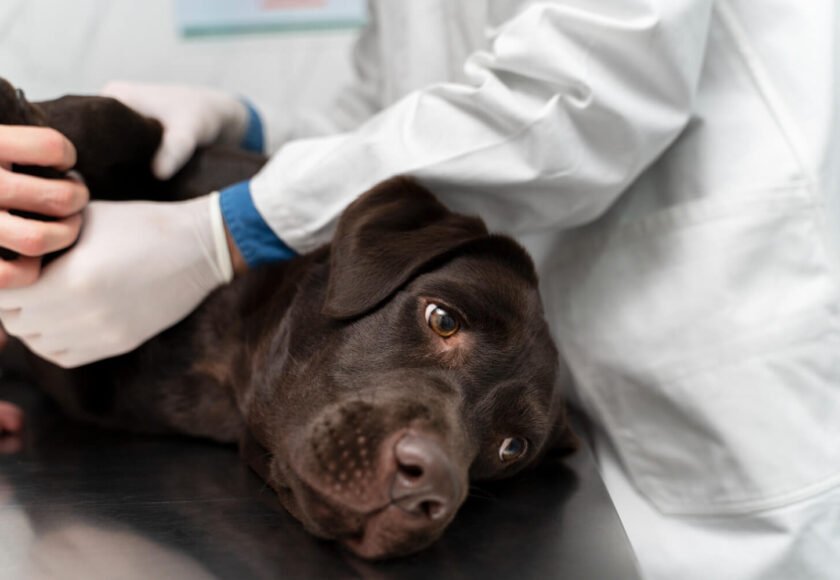
Veterinary visits – Things like strange smells , being handled, or any medical procedure can put some pets on edge.
Travel – Car rides, flights, and just a shift in scenery can be stressful, mostly for animals that have never had to travel before.
Loud noises – Fireworks, thunderstorms, nearby construction work , and other sudden noises can feel too intense for many pets.
New family members – When a baby arrives, a new pet joins, or there are regular visitors coming by, a pet’s routine gets shaken up and may need a little adjustment time.
When Stress Becomes a Welfare Concern
A little stress is kind of just normal in everyday life, but when anxiety keeps going it can mess with a pet’s physical state and also their emotional side, in a more real way. If you notice ongoing shifts in appetite, sleep rhythm, behavior, grooming routines or even how they interact socially , then it’s best to talk with a veterinarian or a qualified animal behaviorist. They can help figure out what’s underneath all of it and work on the right fix , rather than guessing.
Warning Signs of Aggression or Defensive Behavior
Aggression almost never pops out of nowhere. Usually, most dogs and cats give off obvious body language cues when they feel threatened , uneasy, or they basically want extra room. If you can spot those signals early, it can really reduce the chance of bites, scratches, and whole stressful scenes.
Body Language That Signals “Give Me Space”
Many pets try to dodge conflict first, like they’re quietly saying “not now.” Common warnings can be a stiff body, sidestepping interaction, turning away, ears pushed flat, hackles standing up, tail held tense, growling, hissing, or a super intense stare that wont ease.
Dog Aggression Warning Signs
With dogs, aggression might show up as a sort of rigid stance, really intense hard staring, baring teeth and growling, raised hackles, lunging, or even snapping. A lot of the time, those signals are basically the dog feeling cornered and scared, or maybe just extremely uneasy in that moment, like pressure in the body, you know.
Cat Aggression Warning Signs
Cats can show aggression in a bunch of ways, like flattening their ears, puffing up the fur, rapidly flicking the tail, hissing , growling, swatting , or holding a tense body position. In most cases those are a request for distance, and if you skip it , things can escalate pretty fast.
How to Safely Respond
Try to stay calm , then give the cat room so it can move away or at least get a little relaxed. Don’t do a face to face standoff, lower any obvious triggers, and let the animal take a breather before you even try more interaction.
What NOT to Do
Don’t punish , don’t corner it, don’t chase, don’t yell at it, and don’t force physical contact with a stressed or defensive cat. Those choices tend to raise fear and they make future aggressive reactions more likely, not less.
Featured Snippet Opportunity
Some usual warning signs are a stiff body stance, flattened ears, growling, hissing, showing teeth, intense staring, raised hackles , tail tension, and attempts to slip away. Spotting these signals early, then giving the pet space helps reduce bites scratches and other defensive responses.
Body Language Signals That May Indicate a Health Problem
Changes in body language can, sometimes be one of the first signs that a pet is feeling pain or discomfort. Veterinarians often nudge pet owners to look out for sudden changes in posture, movement , activity level , or general behavior. Pets tend to instinctively hide illness, so small shifts might show up first and you really notice them later.
Pain Signals in Dogs
Dogs don’t always whine or bark when something hurts. Sometimes they show that discomfort in a quieter way , with body language that’s easy to miss, and with smaller, everyday changes that you might not clock right away.
Examples
Hunched posture – A dog that stands or sits with a rounded back, like they’re kind of “folded in”, could be coping with pain or just a general feeling of unease.
Reluctance to move – If your dog hesitates before walking, tackling stairs, hopping, or even just getting up, that pause might signal aching in joints, tight muscles, or injury related pain.
Excessive panting – Panting that shows up without exercise, hot weather, or any fun excitement can be a clue that something is off… pain, anxiety, or another medical matter maybe.
Guarding a body part – A dog might avoid touch, pull away, or act extra watchful around a specific area that feels sore. In some cases it can look like they’re guarding that part, kinda like “don’t mess with this.”
Pain Signals in Cats
Cats are sort of known for tucking away little signals that they’re not doing okay, like illness or plain discomfort, so pinning down pain can end up being a bit tricky. Still, if you pay attention to how they usually move through a normal day, then shifts in behavior can tip you off sooner, before things escalate
Examples
Hiding – If your cat suddenly stays in hiding for longer than usual, or avoids your attention more than normal, that might be a sign of pain, sickness, or maybe even stress
Reduced grooming – When a cat feels uncomfortable they might quit grooming as often, and then the coat may look kind of lifeless, tangled, or just not as neat as you expect
Changes in posture – A hunched body, not wanting to stretch, or resting in unusual ways can sometimes mean they have pain or some kind of physical discomfort going on.
Reduced appetite – If they’re eating less than normal, or they don’t show much interest in food, that may be a sign something is affecting their overall well being.
Emergency Warning Signs Requiring Veterinary Attention
Table
| Signal | Possible Concern |
|---|---|
| Sudden lethargy | Illness |
| Difficulty breathing | Medical emergency |
| Persistent hiding | Pain or stress |
| Collapse | Emergency care needed |
When to Contact a Veterinarian
If your pet shows persistent shifts in behavior, appetite, posture, energy level , or movement, it’s usually smarter to consult a veterinarian. Getting medical attention early can help spot health concerns before they become more serious, and it may also improve treatment outcomes.
How to Respond to Your Pet’s Signals Correctly
Getting body language figured out is just the start. Actually responding in the right way to what your pet is saying, helps you build trust, keeps stress down, and slowly makes your relationship feel way more solid.
Respecting Boundaries
If your pet seems uncomfortable, a bit scared, or like they need their own space , don’t force the moment. Give them some room, and let them decide at their own pace , so they feel steady, safe, and actually respected not stuck or trapped.
Reinforcing Positive Behaviors
When your pet is staying calm, acting confident, or doing something you really like, give a small reward—praise, a treat, or maybe a quick bit of play. This positive reinforcement helps those good routines happen more often, and it also builds a stronger bond, and deeper trust over time.
Creating Safe Spaces
Every pet really should have a quiet spot to rest, where they’re not constantly interrupted. Having a safe nook lets them relax and step back when things feel overwhelming.
Reducing Stress Triggers
Try to notice the moments that make your pet feel on edge , and then manage those triggers, or start a slow desensitization, little by little. Even tiny adjustments can end up being a huge deal for their wellbeing, comfort, and confidence. It’s often not dramatic, just consistent, you know?
When Professional Training or Behavioral Support Is Needed
If your pet keeps showing fear anxiety, aggression or starts acting very differently out of nowhere then it’s a good idea to reach out for help. A certified trainer or a behaviorist can guide you, and in some cases a veterinarian is really the safer choice. Acting early usually makes the whole situation go better for everyone , pets and owners alike.
Building a Stronger Bond Through Better Communication
Strong relationships with pets are, uh, really built on understanding, trust and that consistent kind of communication. The more you get familiar with your pet s signals , the simpler it is to meet what they need and, honestly, keep your connection getting stronger.
Observing Daily Behavior Patterns
Take time to pay attention to your pet s daily habits. When you notice what is normal for them , it becomes much easier to see changes in mood, health, or behavior early on. Like before it turns into a big thing.
Learning Your Pet’s Individual Personality
Every pet has a different style of conversing. If you slow down a bit, and try to learn their likes, their concerns, and those tiny quirks, you can respond more right on to what they need. Also it just feels more considerate, like, genuinely so.
Using Body Language to Improve Training
Noticing the little signs of interest, confusion, or stress can help you make each training session, kinda more effective. You can tweak how you teach, and keep everything learning positive an’ also fun , most of the time.
Strengthening Trust Through Consistent Responses
Pets tend to feel safer when their signals get taken seriously, again and again. When you react calmly and in a steady way, you slowly build confidence, and it also deepens the connection between you and your pet.
Why Communication Is a Two-Way Process
Communication isn’t only about understanding what your pet is doing. It’s also about how you answer them, and what you choose to do next. When pets realize their little cues are acknowledged and “got”, they are more likely to trust you, cooperate, and stay secure in your presence.
Conclusion
Every Tail Flick, Ear Position, and Posture Tells a Story
Pets are always communicating, not with words obviously but with body cues. Little movements like a tail twitch, ear angle or a shift in posture can give away useful hints about what they are feeling inside, and it’s usually sooner than people think.
Understanding Signals Leads to Better Pet Welfare
When pet parents notice these cues and react in a calm, matching way pets often feel more secure, more relaxed and overall more understood. Then day to day life tends to turn out happier, and a lot less stressful.
Early Recognition of Stress and Illness Improves Outcomes
A lot of health or behavioral problems start with small body language changes. Catching these early makes it easier to offer timely support, kind care , and when necessary medical help before things get worse.
Closing Takeaway
The better you understand your dog’s or cat’s body language, the easier it becomes to meet their emotional and physical needs, prevent behavioral problems, and build a trusting lifelong relationship.
FAQ Section
1. How can I tell if my dog is happy or stressed?
A happy dog usually has a relaxed body, soft eyes, and this bouncy , playful energy that makes you feel like everything is good. Stress can look like more panting than normal, extra lip licking, random yawning, pacing back and forth, or even a kind of “shut down” behavior where they start avoiding you, or other people, like they really want a little space and quieter distance.
2. What does a cat’s tail position mean?
A cat’s tail really can tell you a lot about their mood. If the tail is up, that usually points to confidence, or friendliness. But if you notice rapid tail flicking , or a puffed up tail, that can mean irritation, fear, or they are just over-stimulated, and kind of done with everything.
3. Why does my dog lick its lips when nothing is there?
Lip licking is usually more of a calming signal, not automatically hunger. Dogs may do it when they are anxious, feel uncomfortable, or aren’t sure what’s going on in the situation.
4. Can pet body language indicate illness or pain?
Yes, sometimes the signs show up in posture, how they move , changes in appetite, grooming habits, or even how they act around people. If those changes stay around for more than a short while, or they keep getting more noticeable, it’s a smart move to have a veterinarian look them over.
5. How can children learn to recognize pet body language safely?
Kids can learn to notice signals that say the pet wants room , like moving away , turning their head , hiding, growling , or hissing . It helps a lot if adults show what “gentle” means, and they stay nearby at all times . That way, both the animal and the child can feel calmer, instead of turning things into a surprise.