
 Petopia
Are Chihuahuas Naturally Good with Children?
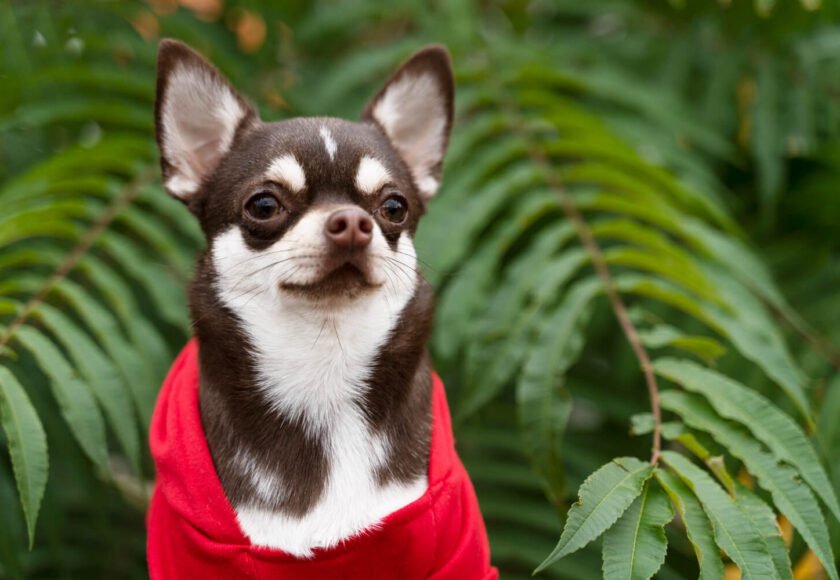
Chihuahuas are not inherently “good” or “bad” with children—it largely depends on the individual dog, the child’s behavior, and how interactions are managed. Like all breeds, Chihuahuas have their own personalities, comfort levels, and past occurrences that shape by means of what they put oneself in the place of another kids.
As a breed, Chihuahuas likely to prefer calm, certain atmospheres and tact and gentleness. Many succeed with earlier, mannerly juveniles the one understand by virtue of what to communicate suitably accompanying limited dogs. Others may feel beaten by gaudy crashes or unexpected movements. It’s main not to label all Chihuahuas the unchanging; accompanying decent socialization, supervision, and beneficial occurrences, few Chihuahuas maybe affectionate and easygoing friends for offspring being pregnant.
Why Chihuahuas and Kids Can Be a Tricky Combination
Chihuahuas and young children can be a challenging mix, not because Chihuahuas are aggressive, but because of practical and emotional factors that increase stress for both.
Their small size and material frangibleness mean they maybe surely injured by unintentional falls, harsh play, or being gained mistakenly. Chihuahuas are also very informed about latest trends their individual room, and edge issues stand when children don’t identify warning signs or respect the dog’s need for rest. Additionally, unexpected evolutions, noisy voices, or unpredictable performance can create Chihuahuas feel endangered, superior to defensive backlashes. With close project and instruction on two together sides, many of these challenges maybe governed, but knowledge is essential for security and harmony.
Understanding Chihuahua Behavior Around Kids
Chihuahuas are highly alert and sensitive dogs, which strongly influences how they behave around children. Their reactions are usually shaped by how safe or threatened they feel in a given moment rather than by aggression.
Loud noises, sudden movements, or fast-paced play can easily overwhelm a Chihuahua. Many respond by retreating, barking, or freezing, while others may growl or snap if they feel cornered. Rough or unpredictable handling—such as grabbing, squeezing, or picking them up incorrectly—can trigger defensive behavior. These reactions are typically warning signals, not acts of hostility, and are meant to create space and prevent further discomfort.
Common Safety Concerns Parents Should Know
While Chihuahuas can live in family homes, parents should be aware of specific safety concerns to prevent stressful or risky situations.
- Accidental rough handling
Young children may unintentionally squeeze, drop, or pull at a Chihuahua, causing pain or fear. - Fear-based snapping
When startled or overwhelmed, Chihuahuas may snap as a quick defensive response. - Resource guarding (toys, food)
Some Chihuahuas may protect items they value, especially if boundaries are unclear. - Startle reactions
Sudden touch while sleeping or resting can trigger an instinctive reaction. - Injury risk to the dog
Due to their fragile bodies, Chihuahuas are more likely to be hurt than to cause serious injury themselves.
Understanding these concerns allows parents to supervise interactions closely and create a safer environment for both children and dog.
Age Matters: Toddlers vs Older Kids
A child’s age plays a major role in how safely and successfully they can interact with a Chihuahua. The same dog may respond very differently to a toddler than to an older child who understands rules and boundaries.
Chihuahuas with toddlers
Chihuahuas and toddlers are a high-risk combination without constant supervision. Toddlers lack the coordination and awareness needed to handle a small, fragile dog gently. Sudden grabbing, falling, or loud outbursts can frighten a Chihuahua and trigger defensive reactions such as snapping or growling. Because both the child and the dog are vulnerable, interactions should always be supervised closely, and in many homes it’s safest to keep them separated unless an adult is actively guiding the interaction.
Chihuahuas with school-age children
Chihuahuas are generally much better suited to school-age children who can follow instructions and understand gentle behavior. Kids who know how to approach calmly, pet softly, and respect a dog’s space are far less likely to cause stress. With clear rules and consistent supervision, Chihuahuas often become affectionate companions to older children, enjoying quiet play, cuddling, and routine interactions.
Why Chihuahuas May React Aggressively to Children
When Chihuahuas react aggressively toward children, it is usually a response to feeling unsafe rather than an attempt to dominate or harm. Certain child-related behaviors are especially challenging for this breed.
Loud noises can overwhelm a Chihuahua’s sensitive hearing and trigger stress responses. Unpredictable movements, such as running or sudden reaching, may be perceived as threats. Being picked up incorrectly can cause pain or fear, especially if the dog feels unstable or restrained. Boundary violations, such as interrupting rest or invading personal space, can push a Chihuahua past its comfort limit. These triggers explain why respectful interaction and supervision are essential for peaceful coexistence.
Signs a Chihuahua Is Stressed Around Kids
Chihuahuas often communicate discomfort through subtle body language before showing more obvious reactions. Recognizing these early signs of stress is essential to prevent escalation and keep both the dog and child safe.
- Growling or snapping
Clear warning signals that the Chihuahua feels threatened or overwhelmed and needs space. - Trembling or hiding
Physical signs of fear, often indicating the dog is trying to escape a stressful situation. - Excessive barking
Heightened vocalization used to express anxiety or alert others to discomfort. - Avoidance behavior
Turning away, moving to another room, or refusing to approach children. - Lip licking or yawning
Subtle stress signals that often appear before more obvious defensive behaviors.
Recognizing these signs early allows adults to intervene before fear turns into reactive behavior.
How to Safely Introduce a Chihuahua to Children
Introducing a Chihuahua to children should be a gradual, structured process that prioritizes the dog’s comfort and the child’s safety. Rushing interactions can create fear and long-term stress responses.
Start with controlled first meetings, keeping the Chihuahua on a leash or at a safe distance while allowing the child to remain calm and seated. Next, focus on teaching calm interaction, such as gentle petting, quiet voices, and respecting the dog’s space—children should never chase or grab the dog. Finally, use positive reinforcement by rewarding the Chihuahua with treats and praise for calm behavior around children. This creates positive associations and helps the dog feel safe, confident, and relaxed during future interactions.
Parenting Rules for Kids Living with Chihuahuas
Clear rules help children and Chihuahuas coexist safely and happily. Because Chihuahuas are small, sensitive dogs, children must understand that gentle and respectful behavior is not optional—it’s essential.
Parents should actively teach and reinforce the following rules:
- No pulling ears or tail
Pulling causes pain and fear and can trigger defensive reactions. - No disturbing while eating or sleeping
Chihuahuas need uninterrupted rest and mealtime to feel secure. - Gentle handling only
Soft petting and calm movements help the dog feel safe and relaxed. - Adult supervision at all times
An adult should always be present to guide interactions and intervene if needed.
Teaching these rules early reduces stress and helps children learn empathy and responsibility around pets.
Training Tips to Improve Child–Dog Interaction
Training plays a major role in helping Chihuahuas feel comfortable and confident around children. When done correctly, it benefits both the dog and the entire household.
- Early socialization
Introduce the Chihuahua to children of different ages in controlled, positive settings. - Basic obedience training
Commands like sit, stay, and leave it provide structure and improve safety. - Desensitization to sounds
Gradually expose the dog to common child-related noises in a calm, rewarding way. - Reward calm behavior
Praise and treat the Chihuahua when it remains relaxed around kids. - Consistent household rules
Everyone in the family should follow the same interaction guidelines to avoid confusion.
With patience, structure, and consistency, positive child–dog relationships are absolutely achievable.
When a Chihuahua Is NOT a Good Fit for Kids
While some Chihuahuas can adapt well to family life, there are situations where this breed may not be the best choice for homes with children. Recognizing these scenarios helps prevent stress, injuries, and long-term behavioral issues.
Chihuahuas are often not a good fit for households with very young or highly active children who may struggle with gentle handling and impulse control. Homes where adult supervision is limited, or where children are allowed to interact freely without guidance, also increase risk. Additionally, Chihuahuas that are naturally anxious, poorly socialized, or have a history of fear-based reactions may find constant child activity overwhelming. In such environments, both the dog and the child are more likely to experience stress, making a calmer or sturdier breed a better option.
Chihuahua vs Other Small Breeds for Families
Small dog breeds vary widely in temperament and family suitability. While Chihuahuas can be loving companions, other small breeds may tolerate child-related behaviors differently. Comparing key traits helps families choose a breed that aligns with their household dynamics.
A comparison table in the final draft could include the following criteria:
- Tolerance to handling – How comfortable the breed is with being touched or picked up.
- Energy level – Whether the breed prefers calm companionship or active play.
- Patience with children – Ability to remain relaxed around noise, movement, and excitement.
- Supervision needs – Level of adult oversight required during child–dog interactions.
This comparison allows families to make informed, safety-focused decisions when choosing a small breed that fits their lifestyle and children’s ages.
Expert Opinion: Are Chihuahuas Kid-Friendly Dogs?
Experts generally agree that Chihuahuas are not inherently kid-unfriendly, but they are also not universally child-proof dogs. Veterinarians and canine behaviorists emphasize that suitability depends on the child’s age, the dog’s temperament, and how well interactions are managed.
Most experts describe Chihuahuas as better suited for older, respectful children rather than toddlers. Their small size, sensitivity to handling, and preference for calm environments mean they thrive when boundaries are respected. When properly socialized, trained with positive methods, and given the ability to retreat from overstimulation, Chihuahuas can coexist peacefully with children. However, they require more supervision and guidance than sturdier, more tolerant breeds.
FAQs About Chihuahuas and Children
Parents often have understandable concerns about bringing a Chihuahua into a home with kids. Here are clear, experience-based answers to the most common questions.
Q1. Are Chihuahuas safe for toddlers?
Generally, no. Toddlers’ unpredictable movements and lack of gentle handling skills make interactions risky without constant supervision. Separation or strict management is often recommended.
Q2. Can Chihuahuas live peacefully with kids?
Yes, especially with school-age children who understand rules, boundaries, and calm interaction. Supervision and training remain essential.
Q3. Do Chihuahuas bite children often?
Serious bites are rare, but fear-based nipping can occur if a Chihuahua feels threatened or mishandled. Most incidents are preventable with proper supervision.
Q4. How can I train my Chihuahua to be calm around kids?
Focus on early socialization, positive reinforcement, rewarding calm behavior, and gradually exposing the dog to child-related sounds and movements.
Q5. Are male or female Chihuahuas better with children?
There is no consistent evidence that gender determines kid-friendliness. Individual temperament, socialization, and training matter far more than sex.
Key Takeaways
Chihuahuas can be loving, devoted companions, but they are not a one-size-fits-all family dog—especially when children are involved. Understanding their temperament and needs is key to creating a safe, happy household for both pets and kids.
- Chihuahuas are not naturally kid-oriented dogs
They tend to prefer calm, predictable environments rather than high-energy play. - Older, well-trained children are a better match
Kids who understand gentle handling and boundaries are more likely to build positive relationships with Chihuahuas. - Supervision and training are essential
Safe interactions depend on adult guidance, positive training, and clear household rules. - The right environment determines success
When a Chihuahua feels secure, respected, and understood, peaceful coexistence is absolutely possible.
Start a Happier, Healthier Pet Life with Petopia
Every pet deserves a life filled with comfort, care, and joy—and every pet parent deserves support along the way. Petopia is built to help families create long-term happiness for their pets through thoughtful services, trusted care, and a community that truly understands what responsible pet parenting looks like.
From everyday wellness to enriching experiences that strengthen the bond between you and your pet, Petopia stands by you at every stage of your journey. If you’re ready to invest in a healthier, happier future for your companion, now is the perfect time to take the next step.👉 Visit https://community.petopiagala.com/products/subscription/ to explore Petopia membership and join a community dedicated to better pet lives.